 Clearwater Roofing
 Asphalt Shingle Roofing for Skycrest Homes
Skycrest is one of Clearwater's established residential neighborhoods, and like most of the city's older sections, it's a mix of homes built across several different decades. Some roofs are original to the house, others have already been through one or two replacements, and a lot of homeowners are sitting somewhere in between — not quite ready to replace, but not sure how much life is left either. Asphalt shingles are the most common roofing material in this part of Pinellas County for good reason: they're cost-effective, they come in a wide range of colors and profiles, and a properly installed architectural shingle roof holds up well against Florida weather for fifteen to twenty-five years or more. The material isn't usually the weak link. The installation is.
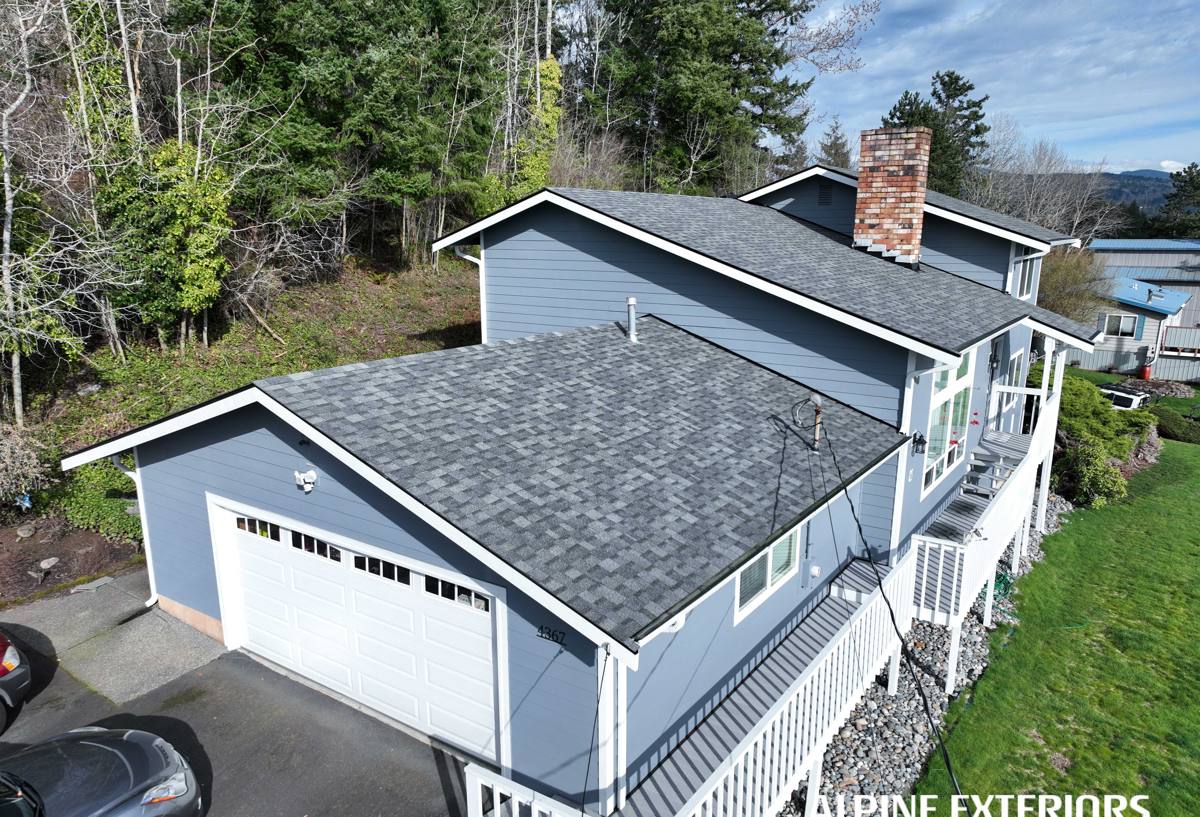
What a Skycrest Roof Actually Deals With
Clearwater roofs don't fail because asphalt shingles are a poor product. They fail because the local climate is genuinely hard on a roof, and any shortcut taken during installation shows up years later at the worst possible time — usually during a storm.
Hurricane-Force Wind
Pinellas County sits directly in the path of tropical systems every season. Wind doesn't just tear shingles off — it gets underneath the edges, at the eaves, the rakes, and the ridge, and works a poorly sealed or improperly nailed roof apart from the inside out. Wind resistance is decided by nailing pattern, adhesive seal strip activation, and edge detailing far more than by the shingle brand printed on the wrapper.
Year-Round UV Exposure
Florida doesn't give asphalt shingles an off-season. Constant sun exposure breaks down the asphalt binder and burns off the protective granules over time, which is what eventually leads to brittleness, cracking, and reduced wind resistance — even on a roof that looks fine from the ground.
Wind-Driven Rain
Rain that comes in sideways during a storm doesn't behave like rain falling straight down. It gets pushed under shingle tabs, around flashing, and into any gap in the underlayment. A roof that would keep out a normal rainstorm can still leak during a wind event if the underlayment and flashing details weren't built for driven rain in the first place.
Salt Air
Skycrest isn't right on the water, but Clearwater as a whole sits close enough to the Gulf that salt-laden air travels inland and settles on roofing, metal flashing, and fasteners across the city. Over time this accelerates corrosion on exposed metal components and contributes to the algae streaking that shows up on shingle roofs throughout the area.
What a Correct Shingle Roof Installation Involves
A shingle roof is a system, not a single layer of material. Every layer has to be installed correctly for the roof to perform the way it's rated to.
- Deck inspection and repair — any soft, delaminated, or water-damaged decking gets replaced before anything else goes down. Shingles fastened over a bad deck won't hold, no matter how good the shingle is.
- Underlayment — a synthetic or self-adhering underlayment provides the roof's real second line of defense against wind-driven rain, especially at valleys and low-slope sections.
- Starter strip at the eaves and rakes — this is one of the most commonly skipped details on cut-rate jobs, and it's the first line of resistance against wind getting under the edge of the roof.
- Nailing pattern — six nails per shingle instead of four, placed in the manufacturer's specified nail zone, is what most high-wind-rated warranties actually require to be valid.
- Flashing — step flashing at walls, counterflashing at chimneys, and proper valley metal or woven valleys, all installed to shed water rather than rely on sealant alone.
- Ventilation — balanced intake and exhaust airflow keeps attic temperatures and moisture in check, which protects the shingles from the underside and helps prevent premature aging.
- Ridge cap — properly fastened ridge cap shingles finish the wind-resistance system at the roof's highest and most exposed point.
Choosing the Right Shingle for a Skycrest Home
Not every shingle sold as "hurricane rated" performs the same once wind speed climbs. The table below covers the general categories most homeowners in this area are choosing between.
| Shingle Type | Typical Wind Rating | Expected Lifespan | Best Fit |
|---|---|---|---|
| 3-tab (standard) | Lower, entry-level rating | 15–18 years | Budget-conscious re-roofs, rental properties |
| Architectural / laminate | Mid to high, varies by line | 20–25+ years | Most Skycrest homes — the standard upgrade choice |
| Impact-rated (Class 4) | Highest available in shingle form | 25+ years | Homes prioritizing insurance credits and hail/debris resistance |
Architectural shingles have become the default choice for most re-roofs in this part of Clearwater, mainly because the price difference over 3-tab shingles is modest while the wind performance and lifespan are noticeably better. Impact-rated shingles cost more up front but can qualify a home for additional insurance premium credits, which is worth asking your carrier about before you decide.
Repair, Recover, or Full Replacement?
Not every roofing problem in Skycrest calls for a full tear-off. The right approach depends on the roof's age, the extent of the damage, and what's happening underneath the shingles.
| Situation | What It Involves | When It Makes Sense |
|---|---|---|
| Localized repair | Replacing missing, cracked, or lifted shingles and resealing flashing in a specific area | Roof is under 10–12 years old with isolated storm or wear damage |
| Full replacement | Complete tear-off, deck inspection and repair, new underlayment, new shingles | Roof is nearing or past its rated lifespan, has widespread granule loss, or has decking damage |
| Recover (over existing layer) | New shingles installed over one existing layer without tear-off | Rarely recommended — it hides deck problems and typically isn't allowed by code over more than one existing layer |
We generally steer homeowners away from recovering over old shingles. It skips the deck inspection entirely, adds weight to the structure, and often isn't permitted by local building code depending on how many layers are already up there. A full tear-off costs more up front, but it's the only way to actually know what condition the deck is in before you commit to another fifteen or twenty years of roof.
How We Handle a Shingle Roofing Project in Skycrest
- Inspection. We walk the roof, check the attic for ventilation and moisture issues, and give you an honest read on whether you're looking at a repair or a replacement.
- Wind mitigation review. We note what your current roof qualifies for on a wind mitigation inspection and explain what a new roof could improve, since this directly affects your windstorm insurance premium.
- Material selection. We go over shingle options, wind ratings, and color choices based on your budget and how long you plan to stay in the home.
- Permitting. We pull the required City of Clearwater roofing permit and schedule inspections so the work is documented and compliant, which matters for both code and future insurance claims.
- Tear-off and deck repair. Old material comes off, the deck is inspected board by board, and any damaged sections are replaced before anything new goes down.
- Installation. Underlayment, flashing, starter strip, shingles, and ridge cap are installed to the nailing pattern and wind-rating specifications the shingle warranty actually requires.
- Cleanup and final walk-through. Job site is cleared of debris and nails, and we walk the finished roof with you before calling the job done.
Why Local Experience in Skycrest Matters
A roofing crew that regularly works in and around Skycrest already understands the age range of decking typically found in this part of Clearwater, knows the City's permitting and inspection process, and has a realistic sense of how the neighborhood's tree cover and proximity to the coast affect a roof over time. That familiarity shows up in small but important ways — knowing what to expect once the old shingles come off, not being surprised by the permit process, and being available if a storm rolls through and you need someone who already knows your roof. A crew unfamiliar with Pinellas County code requirements and local wind exposure is more likely to miss details that don't become obvious until the next hurricane season.
Wind Mitigation, Insurance, and Your Shingle Roof
Every homeowner in Clearwater dealing with windstorm insurance has run into the wind mitigation inspection form at some point. A new shingle roof, installed to current Florida Building Code wind-resistance standards, can improve several of the items on that form — roof covering type, roof deck attachment, and roof-to-wall connection among them — which can lower your windstorm premium. If you're planning a replacement anyway, it's worth having the wind mitigation conversation with your insurance agent before the work starts, so the roof is documented correctly once it's finished.
Keeping a Skycrest Shingle Roof in Good Shape
Most premature shingle roof failures we see come down to small issues that went unnoticed for too long, not the shingles themselves. A little regular attention goes a long way.
- Walk the roofline after any significant storm and look for missing, cracked, or lifted shingles
- Check gutters and downspouts periodically for excess granule buildup, a sign of accelerating wear
- Keep tree limbs trimmed back from the roof surface to reduce abrasion and debris buildup
- Make sure attic vents stay clear and unobstructed for proper airflow
- Watch for dark streaking, which is typically algae growth rather than structural damage but is worth addressing
- Schedule a roof inspection every year or two, and always after a major storm, even if there's no visible damage from the ground
If you're in Skycrest and dealing with an aging shingle roof, storm damage, or just want an honest read on how many years you've got left, we're happy to come take a look. Fill out the form below for a free, no-pressure estimate.