 Clearwater Roofing
 Sunset Point Is a Great Place to Live — and a Tough Place to Own a Roof
Sunset Point sits close enough to the water that homes here feel every mood swing of the Gulf Coast climate. That's part of the appeal — the breeze, the light, the proximity to the bay. It's also why exteriors in this part of Clearwater wear out on a different schedule than homes twenty miles inland. Clearwater Roofing Co works throughout Pinellas County, and Sunset Point is one of the areas where we see the clearest pattern: roofs, siding, windows, and decks that were installed correctly and maintained on schedule hold up. The ones that were installed with shortcuts, or ignored for a decade, fail early and often expensively.
This page is about what that pattern looks like on the ground, and what we actually do about it when we're the crew on your property.
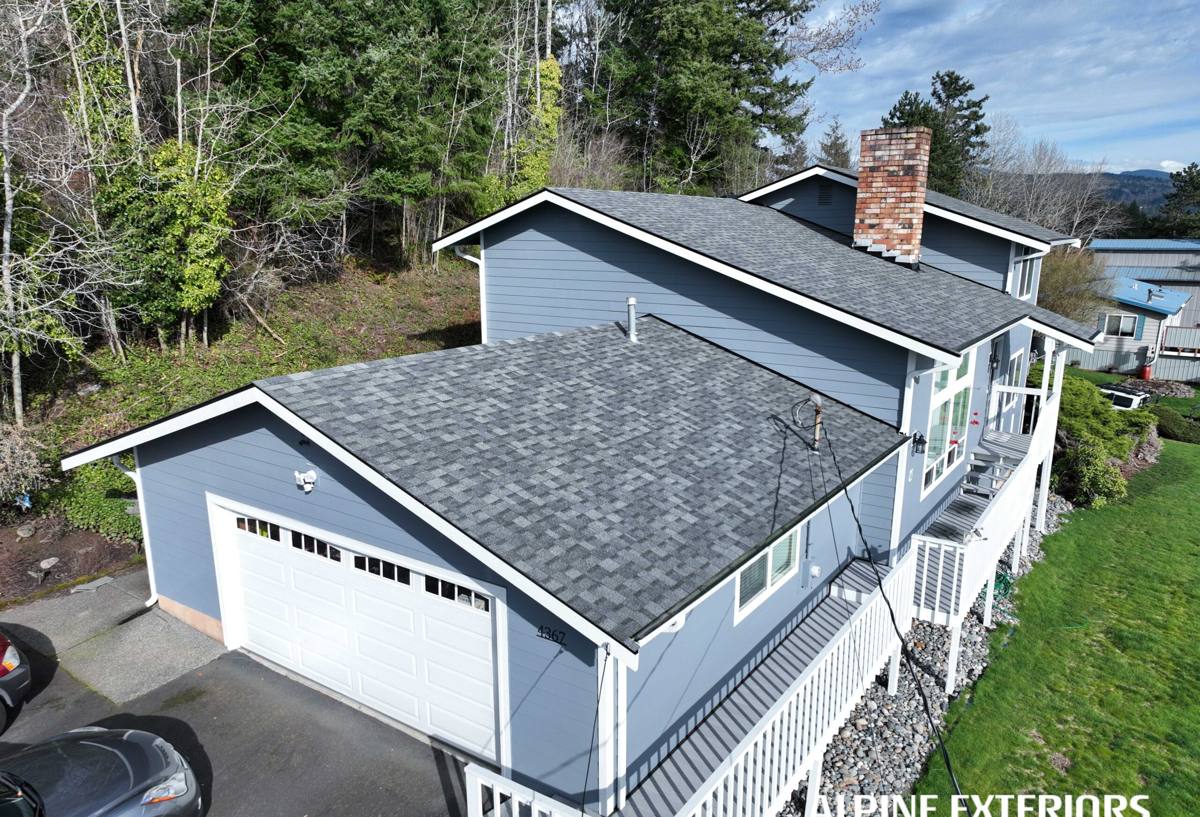
What the Local Climate Does to a Home
Four things drive almost every service call we get in this part of Clearwater:
Hurricane-Force Wind Events
Even a storm that never reaches the coast as a direct hit can still put damaging wind gusts through Pinellas County. Wind doesn't just rip shingles off in dramatic fashion — more often it works underneath a weak edge, a poorly sealed ridge cap, or an aging drip edge, and loosens things gradually until a bigger gust finishes the job. Roof edges, fascia, and the perimeter of siding panels are where we find the most storm-related damage, not the middle of a roof plane.
Intense, Year-Round UV
Florida sun is hard on building materials in a way that most manufacturers' warranties were not originally written to fully anticipate. UV breaks down asphalt shingle oils, chalks out paint finishes, and makes vinyl and lower-grade composite products brittle years before their rated lifespan. It's a slow, invisible process until a roof or a run of siding suddenly looks a decade older than its age.
Wind-Driven Rain
Straight-down rain is rarely the problem. Rain that comes in sideways during a squall finds every gap in flashing, every under-sealed window frame, and every seam where two siding panels meet. Homes here need details built for rain moving horizontally, not just falling vertically — flashing laps, window pan details, and deck ledger connections matter more here than they would in a drier, calmer climate.
Salt Air
Being close to the water means airborne salt settles on exterior metal, fasteners, and finishes even when you never taste it. Salt accelerates corrosion on fasteners, flashing, and hardware, and it can degrade lower-quality paint and coatings faster than a homeowner would expect. Materials and fastener grades that are "fine" fifty miles inland are often the wrong choice a few blocks from the bay.
Roofing in Sunset Point
Roof replacement and repair is the most common call we get in this area, and it's rarely as simple as "replace what's there with the same thing." We look at the deck condition underneath, the age and condition of flashing, the attic ventilation, and whether the existing roof was ever properly sealed against wind-driven rain in the first place.
| Roofing Material | Typical Lifespan (Coastal Pinellas) | Wind/Storm Notes | Maintenance Load |
|---|---|---|---|
| Asphalt shingle (architectural) | 15-20 years | Good performance when properly nailed and sealed; edges are the weak point | Low-Moderate |
| Metal roofing | 30-50 years | Strong wind uplift resistance with correct fastening; handles salt air well with proper coatings | Low |
| Tile (concrete or clay) | 30-50+ years | Heavy and durable, but individual tiles can crack or lift in extreme wind if not properly set | Moderate |
| Flat/low-slope membrane | 15-25 years | Common on additions and porches; seams are the critical detail for wind-driven rain | Moderate |
There's no single "right" roof for every home — it depends on your roof structure, your budget, and how long you plan to own the house. What we won't do is install a system with a known weak point in this climate without telling you about the trade-off up front. If a lower-cost option means more maintenance or a shorter realistic lifespan near the coast, we say so plainly before you sign anything.
Siding That's Built for Salt Air and Sun
Siding takes a different kind of beating than a roof — it's vertical, it's constantly exposed to driving rain during storms, and it's at eye level, so fading and warping show up fast. We install and repair a range of siding systems and pay close attention to a few things that matter more here than elsewhere:
- Proper flashing and water-resistive barrier detailing behind every seam and penetration, since wind-driven rain will find any gap
- Fastener selection rated for coastal exposure, since standard fasteners corrode faster this close to the water
- Expansion gaps set correctly for Florida's heat swings, so panels don't buckle in peak summer temperatures
- Realistic conversations about which finishes hold color under constant UV, versus which will chalk or fade within a few years
We're straightforward about maintenance burden. Some products look great on day one but need more frequent attention — recaulking, repainting, panel replacement — in a high-UV, salt-air environment. We'd rather tell you that before installation than have you discover it in year three.
Windows: Sealing Out Wind-Driven Rain
Window failures in this area are almost never about the glass itself — they're about the seal around the frame. A window that was installed without a proper pan flashing detail, or with old, hardened caulk around the perimeter, will let wind-driven rain in during a squall even if the window itself is in good shape. When we replace or reseal windows, we treat the flashing and pan detail as seriously as the window unit, because that's where the actual failures happen.
Impact-rated and higher wind-load-rated windows are worth discussing for homes in this part of Clearwater, both for storm protection and because they tend to come with tighter manufacturing tolerances that hold up better against driving rain over time. We'll walk you through what your specific home's exposure calls for rather than upselling a blanket recommendation.
Decks: Built for Sun, Rain, and Salt
Outdoor living is a big part of why people choose this area, and a deck or porch structure here needs to handle direct UV exposure, humidity, and salt air without becoming a maintenance chore. The details that matter most:
- Ledger board attachment and flashing — this connection point is where most structural deck failures start, especially where wind-driven rain can get behind an improperly flashed ledger
- Fastener and hardware grade — coastal-rated hardware resists corrosion that standard hardware won't
- Decking material choice — composite decking resists UV fading and moisture-related warping better than lower-grade woods, though it comes at a higher upfront cost and has its own installation sensitivities around expansion and ventilation
- Proper spacing and airflow underneath, so the structure isn't trapping moisture against humid Florida air
Why a Local Crew Matters Here
A lot of exterior problems in Pinellas County aren't visible from the ground. Wind uplift damage on a roof edge, a saturated section of deck ledger, or hairline cracking in aging siding often shows up as a small clue — a slightly lifted shingle tab, a soft spot near a window frame — long before it becomes an obvious problem. Recognizing those early signs takes a crew that works on Gulf Coast homes regularly, not occasionally.
Local crews also know how Pinellas County permitting and inspection processes work for roofing, siding, and structural deck work, which keeps a project moving instead of stalling on paperwork. And when a storm passes through and multiple neighbors need help at once, being an established local company means we're not disappearing after the job — we're still here for the next one.
A Simple Homeowner Maintenance Checklist
Between professional inspections, a few habits go a long way toward avoiding surprise damage in this climate:
- Walk the roofline after any significant wind event and look for lifted or missing shingle tabs, dented metal panels, or displaced tiles
- Check caulking around windows and door frames once a year for cracking or gaps, especially on sun-facing walls
- Rinse salt residue off siding and railings periodically if you're within a few blocks of the water
- Inspect deck ledger boards and fastener heads for rust staining or soft, discolored wood
- Clear gutters and downspouts before the summer rainy season so water isn't backing up against fascia and roof edges
- Have a roof inspection done after any named storm that produced sustained winds in your area, even if you don't see obvious damage
Choosing a Contractor for This Kind of Work
Because roofing, siding, window, and deck work all involve permits, structural connections, and manufacturer warranty requirements, it's worth being deliberate about who you hire. At minimum, confirm active licensing and insurance, ask what specific attention they pay to wind and wind-driven rain detailing (not just "we'll match what's there"), and get a written scope that spells out materials, fastener grades, and flashing details rather than a vague one-line estimate. A contractor who's willing to explain trade-offs — including reasons they might steer you away from a particular product for your specific home — is generally a better sign than one who only tells you what you want to hear.
Get a Straight Answer About Your Home
If you're in Sunset Point or anywhere else in Clearwater and want an honest look at your roof, siding, windows, or deck, we're happy to come take a look. There's no pressure and no obligation — just a clear assessment of what condition things are in and what your realistic options are. Use the form below to request a free estimate.