 Clearwater Roofing
 Roofing a Home in Sunset Point Isn't the Same as Roofing Inland
Sunset Point sits close enough to the water that every roof in the area is doing double duty. It has to shed the wind-driven rain that comes off intense Gulf Coast storms, survive months of direct Florida sun without breaking down, and hold up against a steady dose of salt air that inland Pinellas County homes simply don't deal with. A roof built to a generic national standard will often underperform here, not because the materials are bad, but because they weren't installed with this specific combination of stressors in mind.
When we install a new roof for a Sunset Point homeowner, we're not just replacing worn shingles. We're rebuilding the system underneath them — deck, underlayment, flashing, ventilation, fastening pattern — so the whole assembly is matched to what a Clearwater roof actually has to survive year after year.
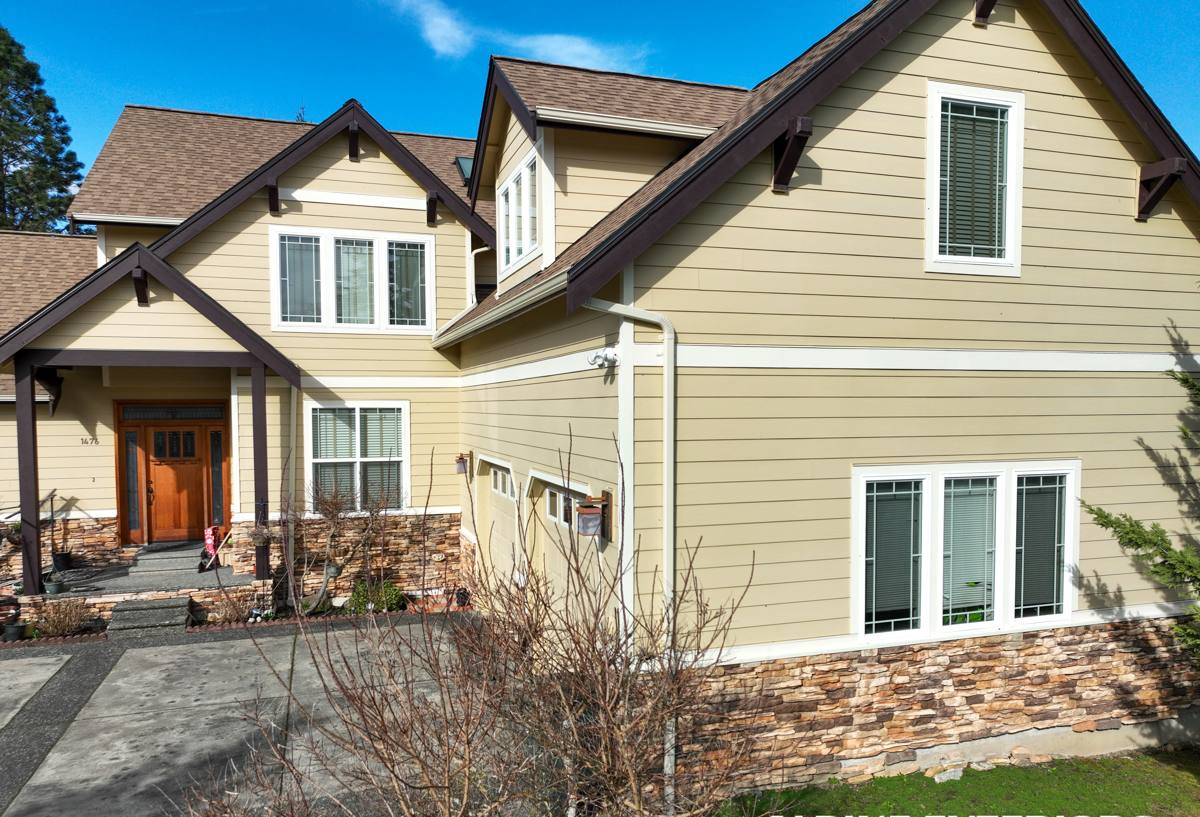
What This Climate Does to a Roof Over Time
Hurricane-Force Wind
Wind is the number one reason roofs fail catastrophically rather than gradually. Uplift starts at the edges and corners of a roof and works inward — if the fastening pattern, drip edge, and starter course aren't installed correctly, a roof can lose shingles or entire sections well before it reaches the end of its expected lifespan. Pinellas County's building code reflects this, but code minimums and a properly executed installation are not always the same thing.
Year-Round UV Exposure
Florida sun is harder on roofing materials than most homeowners realize. UV breaks down asphalt oils, dries out shingle mat, and accelerates granule loss faster than in most other parts of the country. A shingle rated for 25-30 years elsewhere may not deliver that same lifespan on a west- or south-facing slope in Clearwater without attention to ventilation and material quality.
Salt Air and Wind-Driven Rain
Being near the coast means airborne salt settles on roofing metal, fasteners, and flashing over time. Left unaddressed, this accelerates corrosion in lower-grade metal components — nails, drip edge, vent flashing — long before the roofing material itself is due for replacement. Wind-driven rain adds another layer of risk, since it can be pushed sideways and upward under improperly sealed edges and penetrations, not just straight down.
Signs a Sunset Point Roof Needs Full Replacement, Not Another Patch
Repairs make sense when a roof has isolated damage and years of usable life left. Replacement becomes the honest recommendation when the underlying materials are failing broadly. Common signs we look for during an inspection:
- Granule loss heavy enough to expose the asphalt mat on multiple slopes
- Shingles that are curling, cupping, or cracking across large sections of the roof, not just one spot
- Soft or spongy decking discovered during a close inspection, indicating moisture has been getting in for some time
- Repeated leaks in different locations after previous repairs
- Visible daylight or gaps around flashing, vents, or the roofline itself
- A roof age that's approaching or past its material's expected service life, especially if it's never had a full tear-off
If only one or two of these apply and they're contained to a small area, a repair may still be the right call. We'll tell you that directly if it's true — a new roof is a significant investment, and we don't recommend one unless it's actually the better decision for your home.
What a Correctly Installed New Roof Actually Involves
Tear-Off and Deck Inspection
We remove the old roofing material down to the deck rather than installing over existing layers. This lets us inspect the plywood or OSB decking underneath for rot, delamination, or soft spots — problems that are invisible from above but compromise everything installed on top of them. Any damaged decking gets replaced before anything new goes down.
Underlayment and Water Barrier
A synthetic underlayment, plus self-adhering waterproof membrane at vulnerable areas like eaves, valleys, and penetrations, forms the roof's real defense against wind-driven rain. This layer matters as much as the visible shingles or tiles above it, especially in a market where storms can push water sideways under improperly lapped material.
Flashing and Penetrations
Flashing around chimneys, skylights, vent stacks, and roof-to-wall transitions is where most leaks originate on an otherwise sound roof. We use corrosion-resistant metal and proper step-and-counter flashing techniques rather than relying on sealant alone, since caulk and mastic degrade under UV exposure far faster than properly formed metal flashing.
Ventilation
A poorly ventilated attic traps heat and moisture, which shortens the life of roofing material from underneath and can void manufacturer warranties. We check and, where needed, correct intake and exhaust ventilation as part of a new roof installation, not as an afterthought.
Fastening and Wind Rating
Nailing pattern, fastener type, and installation method determine how a roof actually performs in high wind — far more than the shingle brand printed on the wrapper. We install to the wind-rated specifications required for this region and follow manufacturer requirements precisely, since deviating from them is one of the most common ways warranty coverage gets denied later.
Choosing the Right Roofing Material for a Coastal Clearwater Home
There's no single "best" roofing material for Sunset Point — the right choice depends on your home's structure, your budget, and how you weigh upfront cost against long-term maintenance. Here's an honest breakdown of the main options we install:
| Material | Typical Lifespan | Wind Performance | Maintenance | Relative Cost |
|---|---|---|---|---|
| Architectural asphalt shingle | 20-30 years | Strong when properly fastened and rated for the region | Low; periodic inspection | $ |
| Standing seam metal | 40-50+ years | Excellent; performs well in high-wind coastal zones | Very low | $$$ |
| Concrete or clay tile | 40-50+ years | Good when properly fastened; individual tiles can dislodge in extreme wind | Moderate; occasional tile replacement | $$$ |
| Flat/low-slope membrane (TPO, modified bitumen) | 15-25 years | Depends heavily on installation quality and seam work | Moderate; needs periodic inspection | $$ |
For most Sunset Point homes with standard sloped roofs, architectural asphalt shingles remain the most common choice because they balance upfront cost with solid wind performance when installed correctly. Metal is worth serious consideration if you're planning to stay in the home long-term and want to minimize future roofing costs, despite the higher initial investment. We'll walk through the real trade-offs for your specific roof rather than pushing one product across the board.
Our Installation Process, Start to Finish
Every new roof we install follows the same disciplined sequence, regardless of material:
- On-site inspection and honest assessment of whether repair or replacement is the right call
- Written estimate outlining material options, scope of work, and timeline
- Permit pulled with Pinellas County/City of Clearwater before any work begins
- Full tear-off of existing roofing material and deck inspection
- Repair or replacement of any compromised decking
- Installation of underlayment, waterproofing membrane, and flashing
- Installation of the roofing material to manufacturer and wind-rated specifications
- Ventilation check and correction if needed
- Final walkthrough and cleanup, including magnetic sweep for stray fasteners
- Final inspection sign-off and documentation for your records and insurance file
Permits, Wind Mitigation, and Insurance
A new roof in Pinellas County requires a permit, and the work has to meet current Florida Building Code wind-load requirements — that's not optional, and it's not something a legitimate contractor skips to save time. We handle the permitting process directly.
We also recommend homeowners request a wind mitigation inspection once the new roof is complete. A properly installed, code-compliant roof can qualify your home for wind mitigation credits on your homeowner's insurance premium, and having documentation of the installation method, materials, and fastening specs makes that process straightforward instead of a scramble later.
Why Working With a Crew That Already Knows Sunset Point Matters
Roofing crews that work all over the state, or fly in from out of the area after storms, don't always understand the specific demands of a coastal Pinellas County roof. Knowing how salt air affects fastener choice, how the local permitting office wants documentation submitted, and how wind exposure differs slope to slope on a home near the water isn't something you learn from a general training manual — it comes from doing the work here, repeatedly, and seeing what holds up and what doesn't over time.
We're not asking you to take our word for our process — ask any contractor for their license number, proof of insurance, and manufacturer certifications before signing anything, and check that the permit gets pulled in your name with the county. That's true whoever you hire, and we're glad to provide all of it up front.
Get a Straight Answer on Your Roof
If your Sunset Point home is showing signs of wear, or you just want an honest opinion on whether repair or replacement makes more sense, we're happy to take a look. Use the form below to request a free, no-pressure estimate — we'll assess your roof, walk you through your options, and give you a straightforward answer either way.