 Clearwater Roofing
 Exterior Work Built for Belleair's Coastal Exposure
Belleair sits on a narrow stretch of land between Clearwater Harbor and the Gulf of Mexico, which means almost every home in town lives with water on more than one side. That location is a big part of why Belleair is such a desirable place to live, but it's also why the exteriors here age differently than they would ten or twenty miles inland. Salt-laden air moves through the neighborhood constantly, humidity rarely lets up, and when a storm does roll through, it usually arrives with wind-driven rain coming off open water. Roofs, siding, windows, and decks all take that punishment day after day, whether the house is a few years old or a longtime family property with mature landscaping.
We work throughout Clearwater and the surrounding Pinellas County communities, and Belleair's combination of hurricane-force wind exposure, intense year-round UV, wind-driven rain, and salt air is a pattern we see up close. A crew that understands that combination builds and repairs differently than one working from a generic checklist — material choices, fastening methods, and flashing details all get adjusted for what actually happens to a house near the water.
Roofing Services in Belleair
The roof takes the brunt of everything Belleair's climate throws at a house. UV exposure here runs close to year-round, which breaks down roofing materials faster than in most parts of the country. Add in salt air that accelerates corrosion of metal fasteners and flashing, plus the real risk of hurricane-force wind gusts during storm season, and you have a recipe for roofs that need more attentive maintenance and, eventually, replacement sooner than a homeowner might expect from the material's rated lifespan.
Asphalt Shingle Roofing
Architectural asphalt shingles remain a common, cost-effective choice for Belleair homes. The key in this climate is using shingles rated for high wind uplift, paired with proper nailing patterns and starter strip installation — corners cut on installation are exactly where wind gets underneath a roof first. We also pay close attention to underlayment quality, since a secondary water barrier matters more here than in drier inland markets.
Tile Roofing
Concrete and clay tile are well suited to coastal Florida because they resist UV degradation and hold up structurally when properly fastened. The tradeoff is that tile roofing depends heavily on correct installation of the underlayment and fastening system beneath the tiles — the tile itself can survive a storm while a poorly detailed underlayment fails and lets water in. We treat that underlying system as just as important as the visible tile.
Metal Roofing
Standing seam metal roofing has become increasingly popular for homes near the water because of its wind performance and long service life. Salt air does mean fastener and flashing material selection matters — we use components rated for coastal corrosion resistance rather than standard hardware, since the wrong fasteners can start showing rust streaks within a few seasons in a location like Belleair.
Roof Repair and Inspections
Not every roof problem needs a full replacement. Flashing failures around chimneys, vents, and roof-to-wall transitions are some of the most common leak sources we find, along with wind-lifted shingles and granule loss from sustained UV exposure. A roof inspection after a significant storm, or simply on a regular schedule, catches these issues while they're still a repair rather than a full re-roof.
Siding Services in Belleair
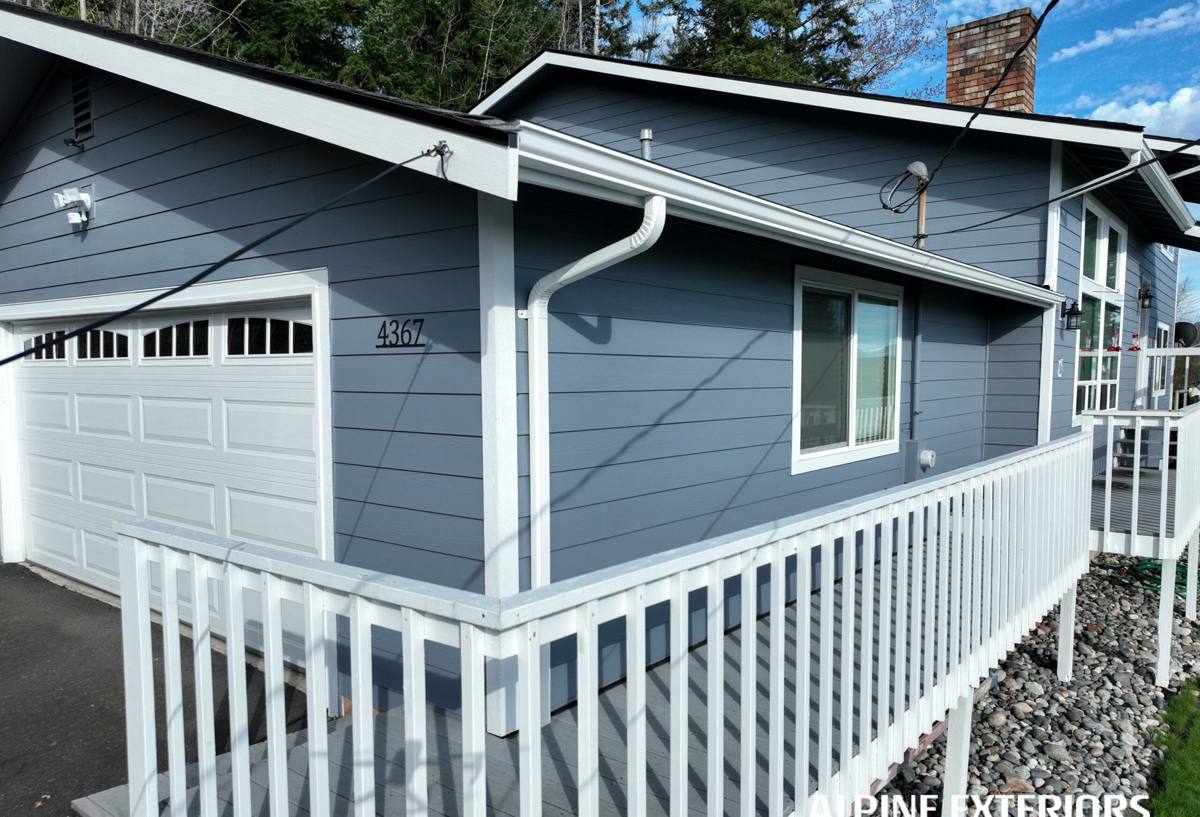
Siding on a Belleair home is working against the same combination of salt, sun, and wind as the roof, plus it takes wind-driven rain straight on during storms. Wherever the siding meets windows, doors, and trim, water intrusion is the real risk — the siding material itself is often less important than how well the seams and penetrations were flashed and sealed.
Fiber Cement Siding
Fiber cement holds up well against moisture, doesn't attract pests, and resists the fading that comes from constant UV exposure better than many alternatives. It's a material we install often in coastal Pinellas County because it's dimensionally stable in humidity swings, which matters when a house is exposed to both salt spray and heavy afternoon rain in the same week.
Vinyl and Other Siding Materials
Vinyl siding can work in this climate when it's rated for high wind and installed with the right fastening tolerances — vinyl expands and contracts with heat, and installers who nail it too tight will see buckling within a year or two of Florida summers. We're honest with homeowners about which products fit their budget and expectations, including the maintenance tradeoffs of each option, rather than pushing one system for every house.
Common Siding Problems We See Locally
- Caulk and sealant failure around window and door trim from UV breakdown
- Moisture intrusion behind siding where flashing was skipped or installed incorrectly
- Fading and chalking on sun-exposed elevations, especially south and west-facing walls
- Corrosion on metal trim pieces and fasteners near the waterline of the property
- Wind-lifted panels or loosened seams following tropical storms
Windows
Windows are one of the more overlooked weak points in a coastal home's exterior. Even a well-built roof and siding system won't protect a house if the windows aren't rated for wind-borne debris and don't seal properly against wind-driven rain. In a location like Belleair, where wind coming off the water can drive rain almost horizontally during a storm, window installation quality — not just the product itself — determines whether water gets pushed past the frame.
Impact-rated windows are worth serious consideration for homes in this area, both for storm protection and for the reduction in UV transmission and noise they provide day to day. For homeowners not ready for a full impact-window upgrade, properly installed and flashed standard windows with quality weatherstripping still make a real difference in comfort and moisture control.
Decks
Outdoor living is a big part of why people choose to live in a place like Belleair, and decks here face their own version of the same climate stress: constant humidity, salt air corroding fasteners and hardware, and intense UV that dries out and fades wood surfaces faster than in most of the country. Composite decking has become a common choice because it resists moisture absorption and doesn't require the periodic sealing that wood does, though it still needs proper ventilation underneath and corrosion-resistant hardware to perform well long term. For homeowners who prefer real wood, we talk through the realistic maintenance schedule upfront — sealing and staining need to happen more often here than in a drier, cooler climate, and skipping that maintenance is the most common reason wood decks fail early near the coast.
Why a Local Crew Matters
A lot of exterior problems in Belleair don't show up as obvious storm damage — they show up gradually, as a slow leak behind siding, a soft spot in roof decking, or corroded fasteners nobody noticed until a panel came loose. Crews who work Pinellas County regularly recognize these patterns early because they've seen them on other homes nearby with the same exposure. That local familiarity also means we understand the permitting and wind-load requirements that apply to this part of the county, so the work is done to code from the start rather than needing correction later.
Being local also means we're accountable to the neighborhood we work in. If something needs a follow-up visit after a storm, or a homeowner has a question a year after installation, we're not far away.
What Drives Cost on an Exterior Project
Every home is different, but a few factors consistently move the price on roofing, siding, window, and deck projects in a coastal area like Belleair:
| Factor | Why It Matters |
|---|---|
| Material choice | Tile and metal roofing cost more upfront than asphalt shingle but generally last longer under UV and wind exposure |
| Wind rating requirements | Higher wind-load ratings for roofing, siding, and windows require rated materials and installation methods, which affects labor and material cost |
| Existing damage or rot | Hidden moisture damage found once old material is removed can add repair scope beyond the original estimate |
| Home size and roof/wall complexity | More roof planes, dormers, or wall transitions mean more flashing, cutting, and labor time |
| Access and site conditions | Mature landscaping, narrow lots, or limited driveway access can affect equipment staging and labor time |
Maintaining Your Exterior Between Projects
Regular attention between major projects goes a long way toward avoiding surprise repairs in a climate like this one. A basic seasonal checklist for Belleair homeowners:
- Walk the roofline after any significant storm to look for lifted shingles, tiles, or debris damage
- Check caulking and sealant around windows and doors at least once a year, since UV breaks it down faster here than in most climates
- Rinse salt residue off siding and metal fixtures periodically, especially on sides of the house facing open water
- Inspect deck hardware and fasteners for corrosion, particularly on homes closer to the harbor or Gulf side
- Clear gutters and downspouts regularly so wind-driven rain has somewhere to go besides behind your siding or fascia
- Schedule a professional roof inspection every couple of years, or immediately after a named storm passes through the area
Getting Started
If you're noticing wear on your roof, siding, windows, or deck, or you just want an honest read on where things stand before storm season, we're happy to take a look. We offer free, no-pressure estimates for homeowners in Belleair and the surrounding Clearwater area — use the form below to get in touch and we'll walk the property with you and talk through what actually needs attention.