 Clearwater Roofing
 Two Very Different Shingles, One Big Decision
If you're replacing a roof in Clearwater, you'll almost always be choosing between two asphalt shingle types: traditional 3-tab shingles and architectural (also called dimensional or laminated) shingles. Both are asphalt. Both come in a range of colors. But they're built differently, they perform differently in our climate, and they carry different price tags. This page walks through the real differences so you can make an informed call, not a guess based on whatever's cheapest at the counter.
We install roofs across Pinellas County, where hurricane-force wind gusts, near-constant UV exposure, wind-driven rain, and salt air off the Gulf all shorten the life of a roof faster than they would inland. That climate reality should factor into which shingle you pick, so we'll cover it section by section rather than as an afterthought.
What 3-Tab Shingles Are
3-tab shingles are the flat, single-layer shingle most people picture when they think "asphalt roof." Each shingle strip is cut into three even tabs, all the same size and thickness, and they lay flush against the roof deck in uniform rows. They've been the standard budget option in American roofing for decades.
They're lightweight, straightforward to install, and less expensive than architectural shingles. That's the whole appeal. The trade-off is that they're thinner, rated for lower wind speeds, and have a shorter realistic lifespan — factors that matter more here than in a calmer climate.
What Architectural Shingles Are
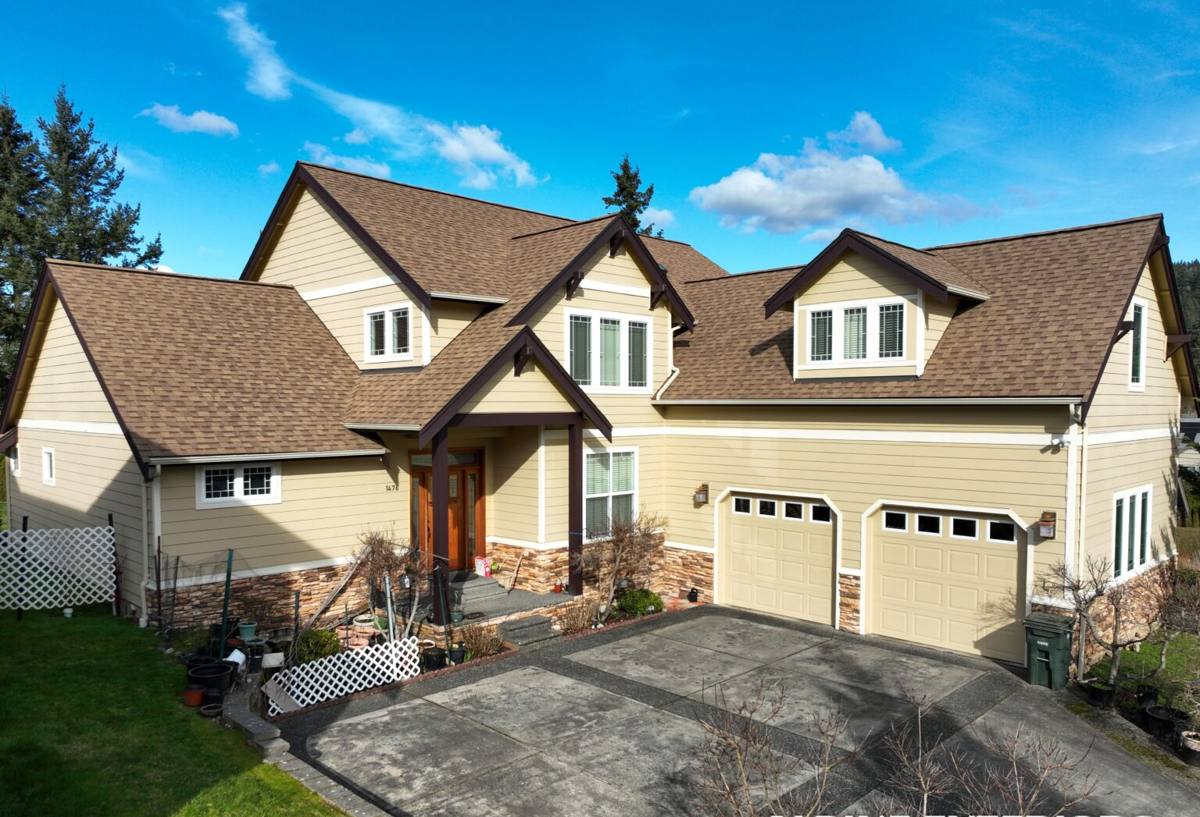
Architectural shingles are made by laminating two layers of asphalt material together, which gives each shingle more mass, a thicker profile, and a shadow-line, dimensional look on the roof instead of a flat one. They're sometimes called "laminate" or "dimensional" shingles for that reason.
That extra layer isn't just cosmetic. It adds weight and rigidity, which translates directly into better wind uplift resistance and better impact resistance — both relevant to a roof that has to survive Gulf Coast storm seasons year after year.
Wind Rating Difference
Most 3-tab shingles are rated for wind speeds around 60-70 mph. Most architectural shingles carry ratings of 110-130 mph, and some premium lines go higher. Florida's building code has pushed most manufacturers to discontinue or de-emphasize 3-tab products in high-wind zones for exactly this reason — it's part of why architectural shingles have become the de facto standard on new construction and re-roofs in coastal Florida counties, Pinellas included.
How Each Performs in Clearwater's Climate
Hurricane and Tropical Storm Wind
Pinellas County sits on a peninsula exposed to Gulf-driven storm systems every hurricane season. Wind is the single biggest factor separating these two products in a storm. A 3-tab shingle's flat, thin profile gives wind an easier edge to catch and lift; once one tab lifts, water gets underneath and the next gust takes more with it. Architectural shingles' added thickness and adhesive strip give the wind less to work with, and the staggered, layered pattern means a single failure point is less likely to cascade across a whole slope.
UV and Heat Exposure
Central Florida sun is intense and nearly year-round. UV breaks down the asphalt oils in a shingle over time, causing brittleness, granule loss, and cracking. Because architectural shingles have more asphalt mass per shingle, they generally resist UV degradation longer than a thin 3-tab shingle exposed to the same sun. It's not that 3-tabs "fail" in the sun — every asphalt shingle degrades under UV — but the thinner product shows it sooner.
Wind-Driven Rain
Storms here rarely come straight down; wind pushes rain sideways and under shingle edges. The tighter seal and heavier tab weight of architectural shingles hold their line better against that lateral water intrusion, which matters more for leak prevention over the life of the roof than most homeowners expect.
Salt Air and Coastal Corrosion
Being close to the Gulf and Tampa Bay means salt-laden air settles on every exterior surface, including the roof. Salt exposure itself doesn't degrade the asphalt shingle material much, but it accelerates corrosion of exposed metal roofing components — nail heads, flashing, vents, and ridge caps. This is really a fastener-and-flashing consideration more than a shingle-type consideration, but it's worth noting for any roof near the water: use corrosion-resistant fasteners and flashing regardless of which shingle you choose.
Cost Comparison
Architectural shingles cost more than 3-tab shingles, both in material and often in labor since they're heavier to handle. The gap varies by manufacturer and product line, but as a general rule of thumb:
| Factor | 3-Tab Shingles | Architectural Shingles |
|---|---|---|
| Relative material cost | Lowest | Moderate to higher |
| Typical wind rating | ~60-70 mph | ~110-130+ mph |
| Typical manufacturer warranty | Shorter (often 20-25 yr) | Longer (often 30 yr-lifetime) |
| Profile | Flat, uniform tabs | Layered, dimensional look |
| Weight per square | Lighter | Heavier |
| Availability in FL high-wind zones | Increasingly limited | Standard |
The upfront savings on 3-tab shingles can look attractive, but it's worth weighing that against a shorter realistic service life and a higher chance of storm damage claims in a county that sees regular tropical weather. A roof that needs repair or replacement sooner isn't actually the cheaper option once you look at total cost over 20-30 years.
Lifespan and Warranty
Manufacturer warranties are a reasonable proxy for how a shingle is engineered to perform, and they consistently favor architectural products. 3-tab shingles are typically warrantied for 20-25 years under ideal, moderate-climate conditions; in coastal Florida's harsher UV and wind environment, real-world performance often falls short of that number. Architectural shingles are typically warrantied 30 years to lifetime, and their added mass generally holds up to our climate closer to that stated term.
Keep in mind that warranty terms are prorated and have installation requirements attached — proper ventilation, correct nailing pattern, and manufacturer-approved underlayment all affect whether a warranty claim actually pays out. This applies to both shingle types, not just architectural.
Curb Appeal and Resale
Architectural shingles have largely become the visual standard in newer Florida neighborhoods because of the dimensional shadow-line look, which reads as a heavier, more upscale roof from the street. 3-tab shingles have a flatter, more utilitarian appearance. For homeowners thinking about resale value or matching the look of newer construction nearby, that's a real, if secondary, consideration.
Which One Makes Sense for Your Roof
There isn't a universal right answer — it depends on your budget, how long you plan to stay in the home, and your risk tolerance for storm damage. A few honest guidelines:
- If you're planning to sell within a couple of years and want to minimize upfront cost, 3-tab shingles can still be a defensible choice on a lower-slope, less wind-exposed roof.
- If you plan to stay long-term, architectural shingles are almost always the better value once you account for wind performance, UV resistance, and warranty length.
- If your roof is highly visible from the street or you're matching newer homes nearby, the dimensional look of architectural shingles is worth the price difference on appearance alone.
- If your insurance carrier offers premium credits for higher wind ratings (many do for Florida homes), architectural shingles may partially offset their higher upfront cost through lower annual premiums — worth a call to your agent before you decide.
- Either way, proper installation — correct fastening pattern, quality underlayment, adequate attic ventilation — matters as much as the shingle type itself for how the roof performs in a storm.
Questions Worth Asking Before You Sign a Contract
Whichever shingle you lean toward, a few questions will tell you a lot about the contractor and the product:
- What wind rating is this specific shingle line rated for, and does that meet or exceed Pinellas County's building code requirements for my roof's exposure category?
- What underlayment and fastening pattern will be used, and does that match the manufacturer's requirements to keep the warranty valid?
- Is the manufacturer warranty transferable if I sell the home?
- What's the realistic cost difference for my specific roof size, not just a per-square estimate?
A contractor who can answer these clearly, without dodging or upselling unrelated products, is one worth trusting with the decision.
Get a Straight Answer for Your Roof
Every roof is a little different — slope, sun exposure, tree cover, and how exposed it is to prevailing wind all factor into which shingle makes the most sense. If you'd like an honest, no-pressure look at your roof and a real comparison of costs for your specific home, we're happy to come take a look and walk you through the options. Use the form below to request a free estimate.