 Clearwater Roofing
 Why Storm Damage Claims Are Different in Pinellas County
If you own a home in Clearwater, your roof isn't just fighting normal wear and tear — it's fighting a combination of hurricane-force wind events, tropical downpours that drive rain sideways under shingles and flashing, and near-constant UV exposure that most of the country never deals with. Add in the salt air rolling off the Gulf, which accelerates corrosion on fasteners, flashing, and vents, and you have a roof that ages faster here than almost anywhere else in the country. That's exactly why the insurance claim process around here looks different too. Florida carriers see an enormous volume of wind and hail claims every storm season, and that volume has made underwriters more cautious, more detail-oriented, and in many cases quicker to dispute or deny a claim that isn't well documented.
This guide walks through what actually happens after a storm, how insurance claims work in practice, and what a homeowner can do to protect themselves — whether they end up hiring us or another licensed local contractor.
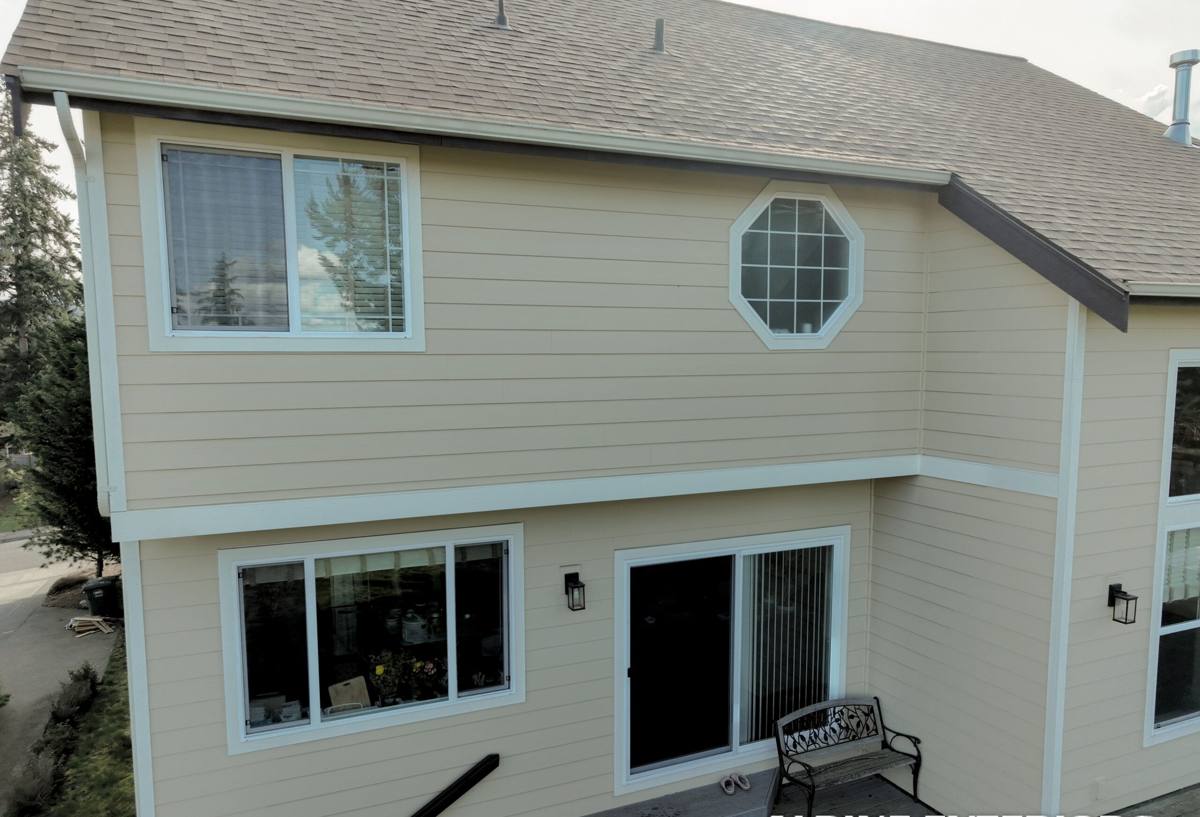
What Counts as "Storm Damage" on a Roof
Not every roof issue after a storm is actually storm-related, and insurance adjusters know the difference. Understanding the categories helps you know what to look for and what to expect from a claim.
Wind Damage
Wind damage typically shows up as creased, lifted, or missing shingles, especially along ridges, hips, and roof edges where uplift pressure is highest. In severe wind events, entire sections of roofing can be torn away, and flashing around chimneys, skylights, and vents can be pulled loose or bent.
Wind-Driven Rain Intrusion
Even when shingles stay in place, wind-driven rain can force water sideways under tabs, through nail holes, or around flashing that has lost its seal. This kind of damage is often invisible from the ground and only shows up later as a ceiling stain or attic moisture.
Hail Impact
Hail is less common here than in the Midwest, but it does happen with severe thunderstorms. Impact damage bruises the shingle mat, knocks off protective granules, and can crack the fiberglass base, all of which shorten the shingle's remaining life even if there's no visible hole.
Debris Impact
Falling branches, loose gutters from neighboring properties, or airborne debris during tropical storms can puncture or gouge roofing material directly.
The Claims Timeline: What Actually Happens
Most Florida homeowners policies give you a limited window to report storm damage, so acting promptly matters. Here's the general sequence:
- Document immediately. Photos and notes of visible damage, taken as soon as it's safe to do so.
- File the claim with your carrier, referencing the specific storm date and event.
- Get a professional roof inspection before or alongside the adjuster visit, so you have your own record of findings.
- Adjuster inspection. The insurance company sends someone to assess the damage and estimate repair costs.
- Claim decision. The carrier approves, partially approves, or denies the claim, often citing "wear and tear" or "pre-existing condition" as the reason for denial or reduction.
- Repair or replacement begins once the claim is settled, using the agreed scope of work.
The step homeowners most often skip is getting an independent contractor inspection before or immediately after the adjuster's visit. An adjuster is working for the insurance company and moving through a high volume of properties, especially after a regional storm event. A second set of trained eyes, focused only on your roof, frequently catches damage the adjuster's report misses.
Documentation: The Single Biggest Factor in Claim Outcomes
In our experience, the difference between a smooth claim and a denied or underpaid one usually comes down to documentation quality, not the actual severity of the damage. Insurance adjusters and claims examiners work from what's on paper and in photos — they weren't standing on your roof during the storm.
- Photograph the roof from the ground on all four sides as soon as possible after the storm, in daylight
- Note the date, time, and specific storm event (name it if it was a named storm, or reference the date of the severe weather report)
- Keep any local weather service advisories or storm reports that cover your date and area
- Photograph interior signs of leaking — ceiling stains, attic moisture, water at window or door headers
- Get a written inspection report from a licensed roofing contractor, with photos, before repairs begin
- Keep copies of every piece of correspondence with your insurance company, including claim numbers and adjuster names
- Do not authorize permanent repairs before the claim is documented — temporary tarping to prevent further water intrusion is different from a full repair
Why Claims Get Denied or Underpaid
Understanding the common reasons carriers push back helps you prepare a stronger claim from the start.
| Reason Cited | What It Means | How to Address It |
|---|---|---|
| "Wear and tear" / age-related | Carrier argues the roof was already near end-of-life, not storm-damaged | Independent inspection report distinguishing impact damage from aging, plus roof age and maintenance history |
| "Pre-existing damage" | Carrier claims the damage predates the storm being claimed | Photos or records from before the storm, if available, showing prior condition |
| Cosmetic-only determination | Adjuster rules the damage doesn't affect function, only appearance | Document any granule loss, mat exposure, or leak evidence that shows functional impact |
| Missed damage on inspection | Adjuster's report doesn't reflect actual roof condition | Independent contractor report submitted as a supplement or used to request reinspection |
| Scope disagreement | Carrier approves repair but you believe full replacement is warranted | Line-by-line contractor estimate showing why partial repair won't restore the roof properly |
Working With Adjusters and Contractors
A few honest points worth knowing before you start the process:
You Are Not Required to Use the Insurance Company's Preferred Contractor
Florida homeowners have the right to choose their own licensed roofing contractor. A carrier may suggest one, but you're free to get your own estimates and hire whoever you trust.
Be Cautious of Storm-Chasing Contractors
After major storms, it's common for out-of-state crews to canvass neighborhoods offering to "handle everything with your insurance." Some are legitimate, but many disappear after collecting a deposit or leave subpar work behind with no local presence to stand behind it. Verify any contractor's Florida license, insurance, and physical local address before signing anything.
Get a Second Opinion on Adjuster Findings
If the adjuster's damage assessment seems low relative to what you're seeing, it's reasonable to request a reinspection or submit a contractor's supplemental report. This happens often enough that it's a normal part of the process, not a confrontational one.
Repair vs. Full Replacement: How That Decision Gets Made
Insurance claims are often scoped as repairs when the damage is isolated, and as full replacement when the damage is widespread, the roofing material is discontinued so matching isn't possible, or the underlying decking has been compromised by water intrusion. A licensed roofer's inspection should document which category applies and why, since this is frequently the point of disagreement between homeowner and carrier.
Florida's roofing code also plays a role here: depending on the extent of damage and local building code triggers, repairing more than a certain percentage of the roof can require bringing the entire roof up to current code, which affects both scope and cost. This is worth discussing directly with your contractor, since it varies by jurisdiction and the specific damage involved.
Protecting Your Roof Going Forward
Whether or not you file a claim this year, a few maintenance habits reduce both storm vulnerability and future claim disputes:
- Have your roof inspected annually, ideally before hurricane season, with a written report kept on file
- Keep gutters and downspouts clear so wind-driven rain has somewhere to drain instead of backing up under shingles
- Trim back tree limbs that could become storm debris
- Address minor issues — lifted shingles, worn flashing, granule loss — promptly rather than waiting, since a small pre-existing issue can complicate a future claim
- Keep dated photos of your roof's condition periodically, so you have a "before" baseline if a storm ever hits
What a Fair Inspection Looks Like
When we inspect a roof after a storm, we're documenting condition, not selling a predetermined outcome. That means photographing the actual damage, distinguishing storm-caused issues from normal aging, and giving you a written report you can use with your insurance company regardless of who ends up doing the repair work. A roof in Clearwater's climate takes a beating year-round between UV, humidity, and storm season, so an honest assessment of what's storm damage versus what's simply an aging roof matters more here than in milder climates.
If you've had storm damage, or you're not sure whether recent weather affected your roof, we're happy to come out and take a look. There's no cost and no pressure to move forward — just a straightforward opinion you can use however you need to. Use the form below to request a free estimate.