 Clearwater Roofing
 Why "It Depends" Is the Honest Answer
Every homeowner wants a single number. The honest answer is that a new roof's price depends on a handful of specific, knowable factors — the size and pitch of your roof, the material you choose, what's underneath the old shingles, and what Florida's building code requires for your specific property. Anyone who quotes you a firm price over the phone without looking at your roof is guessing, and guesses tend to turn into change orders once the crew is already on your roof.
What we can do is walk through exactly what goes into that number, so when you do get quotes from us or from anyone else, you know what you're looking at and can compare them fairly.
What Actually Drives the Price
Most of the variation between one roofing quote and another comes down to a short list of factors. Some are about your house, some are about the material, and some are about what the job requires once the old roof comes off.
| Factor | Why It Matters |
|---|---|
| Roof size and pitch | More square footage and steeper pitches mean more material, more labor hours, and more safety equipment for the crew. |
| Number of layers to remove | Tearing off two layers of old shingles costs more in labor and disposal than tearing off one. |
| Decking condition | Soft or water-damaged plywood under the shingles has to be replaced before new roofing goes on — this is the most common source of "surprise" cost. |
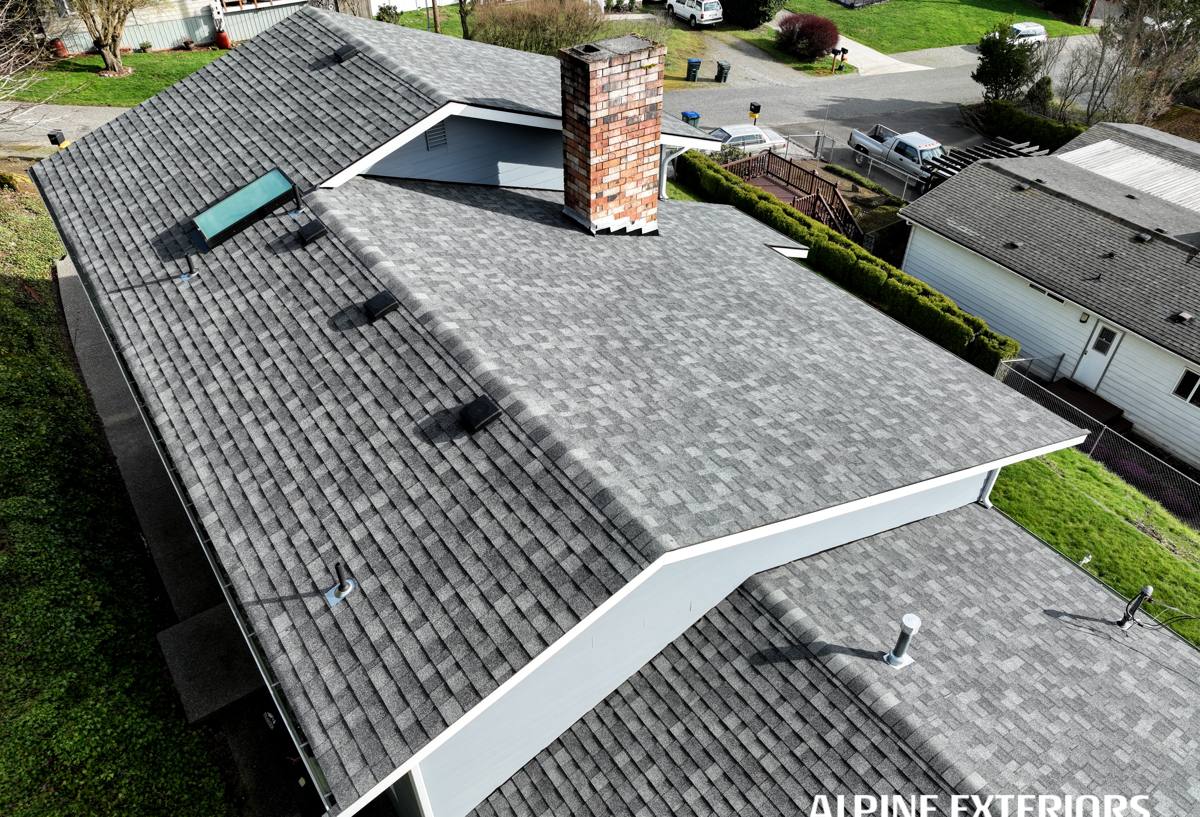
| Roof complexity | Valleys, dormers, skylights, and multiple roof planes all add flashing work and labor time. |
| Material choice | Asphalt shingle, metal, tile, and flat roofing systems all sit at different price points and have different labor requirements. |
| Code-required upgrades | Florida Building Code requires specific underlayment, fastening patterns, and sometimes a secondary water barrier that older roofs may not have had. |
| Access and site conditions | Steep lots, limited driveway access, or a second story affect how quickly a crew can stage material and work safely. |
Cost by Roofing Material
There's no universally "best" roofing material — there's the right material for your house, your budget, and how long you plan to own it. Here's how the common options in Pinellas County compare.
| Material | Typical Lifespan | Relative Cost | Notes for This Area |
|---|---|---|---|
| Asphalt shingle (architectural) | 20-30 years | Lowest to mid | Rated for high wind when installed to code; the most common choice in Clearwater neighborhoods. |
| Standing seam metal | 40-50+ years | Mid to high | Excellent wind and UV performance; higher upfront cost offset by longevity and lower maintenance. |
| Concrete or clay tile | 40-50+ years | High | Common on higher-end homes; heavier, requires engineered roof structure and specialized installation. |
| Flat/low-slope (modified bitumen or TPO) | 15-25 years | Mid | Used for additions, porches, and some mid-century homes; drainage and seam quality matter more than on pitched roofs. |
Shingle remains the volume choice because it balances upfront cost against a wind rating that holds up well in a Gulf Coast climate. Metal and tile cost more per square but spread that cost over a much longer service life, which is worth running the numbers on if you're planning to stay in the home long-term.
Why We're Selective About What We Install
Not every product on the market gets equal enthusiasm from us. Some lower-cost shingle lines and underlayment products have thinner margins for installation error, more sensitivity to attic ventilation problems, or warranty terms that shift more of the burden onto the homeowner if something goes wrong. That's not a claim that a product is defective — it's that we'd rather install something with a track record of forgiving small real-world variables like deck irregularities and Florida humidity, and we'll tell you plainly when we think a cheaper option isn't worth the trade-off.
The Line Items That Surprise People
A quote that only lists "shingles and labor" is an incomplete quote. Here's what else is typically part of a real roof replacement in this area:
- Tear-off and disposal — removing and hauling away the old roofing material.
- Decking repair or replacement — priced per sheet, since you won't know exactly how much rotted plywood is underneath until the old roof is off.
- Underlayment and secondary water barrier — required by Florida code on most new roofs, and worth having regardless, given how much wind-driven rain this coast sees.
- Drip edge, flashing, and valley metal — the details that actually stop leaks; skimping here is the most common cause of early failures.
- Ventilation — ridge vents or other attic ventilation, which affects both shingle life and cooling costs.
- Permit fees — required by the City of Clearwater or Pinellas County depending on your address, plus the inspection that goes with it.
- Code-required upgrades — if your roof was last done under an older code cycle, bringing the new one up to current wind and fastening standards.
Florida Code and Wind Requirements
Roofing in Clearwater isn't installed the same way it would be in a low-wind inland state. Florida Building Code sets specific requirements for fastening patterns, underlayment, and wind resistance based on your wind speed zone, which along the Pinellas County coastline is significant. A permitted re-roof also triggers an inspection, which is a good thing — it's a second set of eyes confirming the work meets the standard your house needs to actually perform in a storm, not just look finished from the ground.
This is also where a lot of the cost difference between a bargain quote and a code-compliant quote shows up. Correct fastening schedules, proper flashing at every penetration, and a real secondary water barrier take more labor time and slightly more material than the bare minimum — but they're the difference between a roof that sheds wind-driven rain and one that lets water in around every vent pipe and skylight during the next tropical system.
Insurance, Age, and Insurability
In Florida, your roof's age and condition increasingly affect your homeowners insurance, not just your risk of a leak. Many carriers now require roof inspections at a certain age, some won't renew a policy on an older roof at all, and a documented wind mitigation inspection after a qualifying re-roof can lower your premium. If you're weighing repair versus replacement, it's worth factoring in what a new roof does to your insurance situation, not just what it costs to install — sometimes the math works out better than it first appears once you account for a premium reduction or the ability to keep your current carrier.
Getting a Number You Can Actually Trust
A trustworthy estimate is specific, not vague. Before you sign anything, here's what to have ready and what a proper estimate should include:
- A physical, on-roof inspection — not just a satellite measurement
- A written scope that names the exact shingle or material line, not just "architectural shingle"
- Clear language on what happens if decking replacement is needed, and at what per-sheet price
- Confirmation of who pulls the permit and handles the inspection
- Underlayment and flashing specified by product, not left as "standard"
- A stated warranty — both the manufacturer's material warranty and the contractor's workmanship warranty
- A payment schedule tied to completed work stages, not full payment up front
Red Flags Worth Knowing
A quote that's dramatically lower than every other bid you've received is usually lower for a reason — thinner underlayment, minimal flashing detail, undocumented labor, or a plan to skip the permit entirely. In a market that sees the kind of wind and rain Clearwater does, those are exactly the details that determine whether a roof performs for twenty years or starts leaking after the first serious storm season.
What a Realistic Budget Range Looks Like
Because every roof is different, we won't put a single number on this page that doesn't apply to your house — that's how homeowners end up anchored to a figure that has nothing to do with their actual roof. In broad terms, a straightforward asphalt shingle replacement on an average single-family home sits at the lower end of the market, metal and tile sit meaningfully higher, and any roof with extensive decking repair, complex geometry, or a full ventilation overhaul will land above a simple like-for-like replacement. The only way to get a number you can actually budget around is a physical inspection of your specific roof.
Let's Look at Your Roof
If you're trying to figure out what your roof replacement will actually cost, the most useful next step is a no-pressure, on-site estimate. We'll walk your roof, tell you honestly what condition it's in, and put together a written scope so you know exactly what you're paying for and why — no guesswork, no surprise line items. The form below gets you started whenever you're ready.