 Clearwater Roofing
 Roofing Built for Life on the Bay
Safety Harbor sits right on Old Tampa Bay, and that waterfront location is exactly what gives the city its character — and exactly what wears down a roof faster than homes just a few miles inland. Between open-water wind exposure, salt-laden air, and the kind of sun intensity that Pinellas County sees nearly year-round, roofs in this part of Clearwater's service area take a beating that a lot of manufacturers' warranty language simply wasn't written for. We've worked on homes throughout this corridor long enough to know that a "good roof" here isn't the same thing as a good roof forty miles inland, and we build and repair accordingly.
This page walks through what bayfront exposure actually does to a roof, siding, windows, and decks over time, what holds up and what doesn't, and how we approach the work differently because of where your home sits.
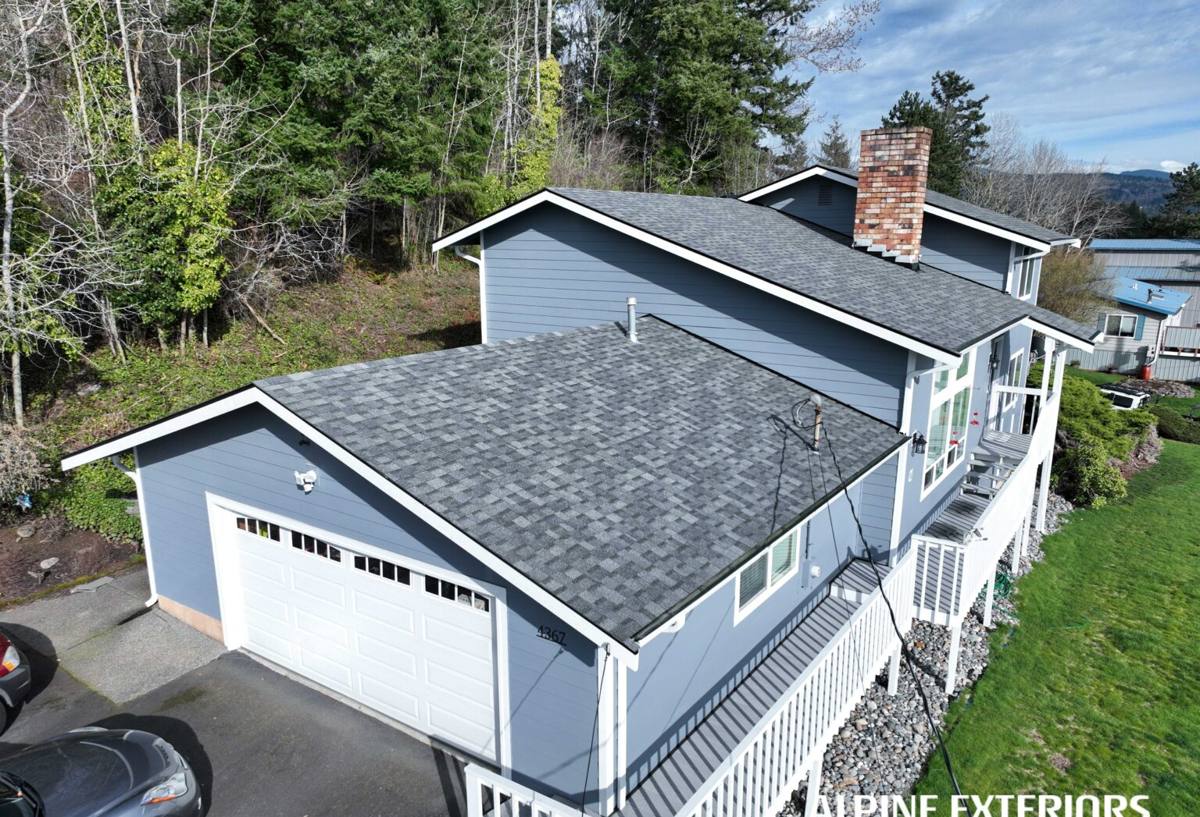
What Bayfront Exposure Actually Does to a Roof
Wind Off the Water
Homes closer to the bay catch steadier, less obstructed wind than homes tucked into inland neighborhoods with more tree cover and windbreaks. During tropical storms and hurricanes, that translates into higher uplift forces on shingles, ridge caps, and flashing — and even outside of storm season, sustained wind gradually loosens fasteners and works at the seal strips that hold shingles flat. A roof that was installed without enough attention to wind-rated fastening patterns will show it first at the edges: ridge lines, rakes, and eaves.
Salt Air and Corrosion
Salt-laden air off the bay doesn't just affect boats and dock hardware. It accelerates corrosion on exposed metal — nail heads, flashing, vent stacks, gutter fasteners, and any hardware that isn't rated for coastal exposure. Cheaper galvanized fasteners can start rusting years before they should, and once a nail head corrodes and loses its grip, that's a wind uplift failure point waiting for the next storm.
Year-Round UV
Pinellas County gets intense, direct sun for most of the year. UV exposure breaks down the asphalt oils in shingles over time, making them brittle and more prone to cracking and granule loss. A south- or west-facing slope on a bayfront-adjacent home will typically show sun damage years before the north-facing slope does — which is why granule loss and color fading are rarely uniform across a roof.
Wind-Driven Rain
Straight-down rain is easy for any roof system to shed. Wind-driven rain — the kind that comes in at an angle during a squall or tropical system — is what actually finds the weak points: under-lapped shingle courses, aging flashing around chimneys and skylights, and valleys that weren't detailed with enough underlayment overlap. This is where roofs that "look fine" from the ground start to leak.
Roofing Materials That Hold Up Here
Every roofing material has trade-offs. For a bayfront-adjacent home in Safety Harbor, we weigh wind performance, corrosion resistance, and UV tolerance more heavily than we would for an inland install.
| Material | Wind Performance | Salt Air / Corrosion | Typical Lifespan Here |
|---|---|---|---|
| Architectural asphalt shingle (high wind-rated) | Strong with proper nailing pattern | Good if fasteners and flashing are corrosion-resistant | 18-25 years |
| Standard 3-tab shingle | Weaker uplift resistance | Fasteners more exposed to failure over time | 12-18 years |
| Metal roofing (standing seam) | Excellent when properly fastened | Very good with coastal-rated coatings | 30-50 years |
| Tile (concrete or clay) | Strong, but underlayment is the real weak point | Tile itself resists corrosion; fasteners still need attention | 30-50 years (underlayment often needs earlier replacement) |
We don't push one material as a universal answer. A lot of it comes down to the roof's pitch, the home's structure, your budget, and how long you plan to stay in the house. What we do insist on, regardless of material, is coastal-rated fasteners and flashing, correct nailing patterns for the wind zone, and underlayment that's actually rated for wind-driven rain — not just the manufacturer's minimum spec.
Signs Your Roof Needs a Closer Look
Most roof failures near the bay don't happen all at once — they build up quietly until a storm exposes them. Worth checking for, or having us check for:
- Granules collecting in gutters or at downspout outlets
- Shingles that look curled, cracked, or lifted at the edges
- Rust streaking below vent stacks, flashing, or exposed fasteners
- Soft spots or discoloration on ceilings after wind-driven rain
- Visible daylight or gaps around chimney or skylight flashing
- Missing or displaced ridge cap shingles after any storm with sustained wind
None of these guarantee a full replacement is needed — a lot of the time it's a targeted repair. But left alone, small flashing or fastener failures are exactly what turn into interior water damage after the next tropical system moves through.
It's Not Just the Roof: Siding, Windows, and Decks Face the Same Exposure
Since we handle roofing, siding, windows, and decks, we see the same bayfront stressors show up across the whole exterior of a home, not just the roof deck.
Siding
Salt air and humidity are hard on siding seams and fastener heads the same way they're hard on roofing hardware. Wood and older fiber-cement installations are especially prone to moisture intrusion at poorly sealed joints. We pay close attention to flashing details around windows and doors, since that's where most siding-related water damage actually originates — not the field of the siding itself.
Windows
Wind-driven rain that a roof sheds fine can still push moisture around window frames that aren't properly flashed and sealed. In a wind zone like this, impact-rated or wind-rated window installation isn't a luxury upgrade — it's a practical response to what actually happens during a named storm.
Decks
Humidity and salt air accelerate fastener corrosion and wood movement on outdoor decks, which is why hardware choice matters as much as the decking material itself. A deck built with the wrong fasteners can develop hidden rot at connection points years before the visible boards show wear.
Why a Local Pinellas County Crew Matters
Clearwater and Safety Harbor fall under Pinellas County's building codes, which reflect the region's high-wind-velocity zone requirements — these aren't the same baseline codes used further inland or in other parts of the state. Permitting, inspection requirements, and wind uplift standards here are specific, and a crew that doesn't work in this county regularly can miss details that matter both for your safety and for insurance purposes after a storm.
We also know how bayfront-adjacent neighborhoods differ block to block — tree canopy, sun exposure, and wind exposure can vary a lot within a small area of Safety Harbor. That local familiarity shapes real decisions: fastener spacing, flashing detail, and material recommendations, not just generic manufacturer specs.
What to Expect When You Work With Us
Our process on a Safety Harbor property typically looks like this:
- A free, honest inspection — roof, siding, windows, or deck, whatever's relevant — with plain findings, no pressure to sign anything on the spot.
- A written estimate that separates what's urgent from what can reasonably wait, so you're not paying for work you don't need yet.
- Permitting handled correctly for Pinellas County wind-zone requirements when the scope calls for it.
- Installation with coastal-appropriate materials and fastening, not just manufacturer minimums.
- A final walkthrough so you know exactly what was done and what to watch for going forward.
Simple Maintenance That Extends Life in This Climate
A few habits make a real difference for homes exposed to bay wind, salt air, and heavy sun:
- Clean gutters and downspouts at least twice a year so wind-driven rain has somewhere to go
- Trim back tree limbs that overhang the roof or siding to reduce abrasion and debris buildup
- Have flashing around chimneys, skylights, and vent stacks checked after any major storm
- Rinse salt residue off exterior surfaces periodically, especially on homes closer to the water
- Inspect deck fasteners and connection points annually for early corrosion
- Schedule a professional roof check every year or two, even without visible problems
None of this replaces a professional inspection, but it does buy time and catch small problems before they become expensive ones.
Let's Take a Look at Your Home
If you're in Safety Harbor or anywhere else along the Clearwater bayfront and you're not sure whether your roof, siding, windows, or deck are holding up the way they should, we're glad to take a look. The estimate is free, there's no pressure, and you'll get a straight answer about what's actually worth doing now versus what can wait. Just fill out the form below to get started.