 Clearwater Roofing
 Exterior Work Built for Harbor Oaks Homes
Harbor Oaks is one of Clearwater's older, more established residential neighborhoods, and that history shows up on the roofs, siding, and window frames we get called out to inspect. A lot of the housing stock here has been through decades of Gulf Coast weather, and even homes that were updated at some point are now due for another look. When we work in Harbor Oaks, we're not guessing at what Pinellas County weather does to a house — we're accounting for it in every material choice and installation detail.
Clearwater sits in a part of Florida where the exterior of a home does real work every single day. It's not just the occasional named storm. It's the cumulative effect of hurricane-force wind events, intense UV exposure that doesn't really let up any month of the year, wind-driven rain that finds every gap in flashing or trim, and salt-laden air drifting in off the Gulf that speeds up corrosion on fasteners, gutters, and metal components. Homes in established neighborhoods like Harbor Oaks show this wear in specific, predictable ways, and knowing what to look for is most of the job.
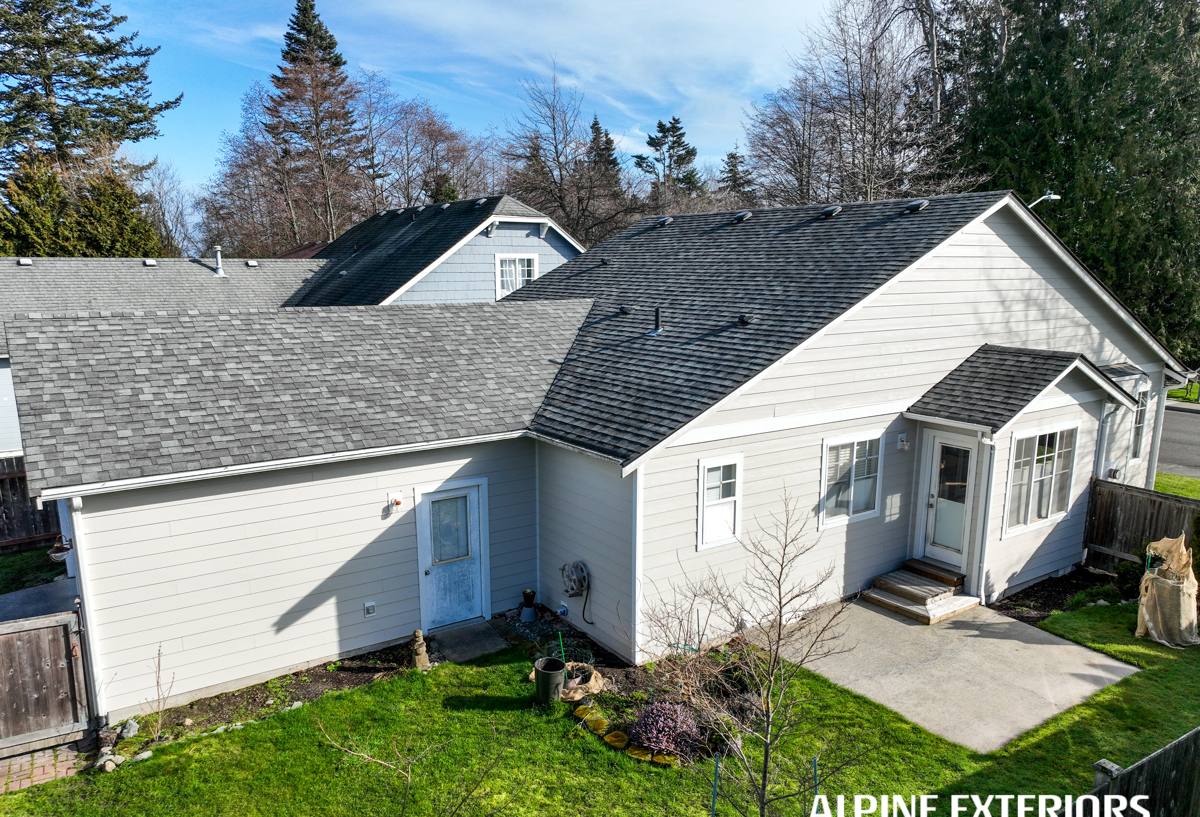
What Harbor Oaks Homes Tend to Face
Sun and Heat Fatigue
Florida sun is harder on roofing and siding materials than most homeowners realize. UV exposure breaks down asphalt shingle granules over time, dries out sealants, and causes vinyl and wood trim to fade, chalk, or become brittle. In a neighborhood with a mix of home ages, we routinely see roofs that look fine from the street but have granule loss, cracked pipe boot seals, or sealant that's lost its flexibility — all classic signs of long-term UV fatigue rather than storm damage.
Wind and Wind-Driven Rain
Pinellas County's exposure to tropical systems means roofs and siding here need to handle more than steady rainfall — they need to shed water that's being driven sideways under pressure. Weak points show up at flashing details: roof-to-wall transitions, chimney flashing, valleys, and window and door perimeters. On older homes, original flashing may have been installed to a lower wind standard than current code requires, which is worth a professional look even if there's no visible leak yet.
Salt Air and Corrosion
Clearwater's proximity to the Gulf means salt air travels further inland than people expect, and it's persistent. Metal fasteners, gutter systems, and any exposed metal flashing are vulnerable to accelerated corrosion. We pay attention to fastener grade and metal compatibility on every job in this area, not just on homes right along the water, because salt exposure adds up over years even a few miles inland.
Age-Related Wear
Because Harbor Oaks has a good number of established homes, we often find layered issues: a roof nearing the end of its service life, siding with old repairs that were never properly integrated, and window seals that have degraded well past their intended lifespan. None of that is unusual for a neighborhood this age — it just means an inspection should look at the whole exterior envelope, not just the one visible problem.
Roofing
Roof replacement and repair work in Clearwater has to account for both wind resistance and long-term UV durability. We evaluate the full roofing system — decking condition, underlayment, flashing details, and ventilation — not just the shingles or tiles on top, because a roof is only as strong as its weakest connection point. For homes in Harbor Oaks, that often means paying close attention to older flashing details around chimneys, dormers, and roof-to-wall intersections where original construction may not meet current wind standards.
We work with asphalt shingle, tile, and metal roofing systems, and we'll walk you through the honest trade-offs of each rather than pushing whichever is easiest to install. Asphalt shingles are cost-effective and widely used, but selection of a wind-rated product matters here more than in inland markets. Tile has a long service life and handles UV well but requires correct underlayment and attention to the fasteners beneath it. Metal roofing offers strong wind performance and longevity but comes with a different upfront cost and installation sensitivity that not every crew handles correctly.
Siding
Siding takes a beating from the same combination of sun, wind, and moisture that affects roofs, but the failure points are different. Look for cracking, warping, fading, or soft spots, especially around window and door trim and at the base of walls where moisture tends to collect. In a coastal-influenced climate like Clearwater's, we favor siding materials and installation methods that manage moisture actively — proper flashing, drainage planes, and ventilation behind the cladding — rather than relying on the siding surface alone to keep water out.
Fiber cement and quality vinyl products both have a place depending on the home and the homeowner's priorities around maintenance, appearance, and budget. We'll walk your specific home with you and explain what we'd recommend and why, including where a repair makes more sense than a full replacement.
Windows
Older windows in an established neighborhood like Harbor Oaks are frequently past their functional life even if they still look presentable. Seal failure, fogging between panes, and degraded weatherstripping let in both moisture and heat, which shows up as higher energy bills and, eventually, water intrusion around the frame. For this climate, we prioritize impact-rated or wind-rated window packages with correctly installed flashing — the installation detail around a window matters as much as the window unit itself for keeping wind-driven rain out during a storm.
Decks
Outdoor living spaces in Clearwater deal with the same UV and moisture exposure as the rest of the exterior, plus the added stress of ground contact and standing water after heavy rain. Whether it's a wood deck needing structural repair or a full rebuild, we look at fastener corrosion resistance, proper drainage, and material choices that hold up to sun exposure without excessive maintenance demands.
Why a Local Crew Matters
Materials and installation methods that work fine in a drier, milder climate don't always hold up on the Gulf Coast. A crew that works throughout Clearwater and Pinellas County day in and day out knows which flashing details fail first in this climate, which fastener grades resist salt corrosion, and which product lines are actually rated for local wind exposure requirements versus general-purpose lines. That local knowledge shows up in fewer callbacks and a roof, siding job, or window install that's built for the conditions it will actually face — not generic conditions from a manufacturer's national spec sheet.
It also matters for timing. After a significant wind or storm event, demand for roofing and exterior repair spikes across the whole region. A local, established crew is easier to reach, easier to hold accountable, and more likely to already know your neighborhood's typical construction details before they ever step on the roof.
Comparing Roofing Material Options for This Climate
| Material | Wind Performance | UV/Sun Durability | Maintenance |
|---|---|---|---|
| Asphalt Shingle (wind-rated) | Good, when correctly rated and installed | Moderate; granule loss over time | Low to moderate |
| Concrete/Clay Tile | Very good when properly fastened | Excellent | Low, occasional inspection of underlayment |
| Standing Seam Metal | Excellent | Excellent | Low |
None of these is universally "best" — the right choice depends on your home's structure, your budget, HOA or aesthetic preferences if applicable, and how long you plan to stay in the home. We're glad to walk through the honest pros and cons for your specific situation.
Homeowner Checklist: Signs Your Exterior Needs a Look
- Granule loss visible in gutters or at the base of downspouts
- Cracked, curling, or missing shingles or tiles
- Soft spots, warping, or discoloration on siding
- Fogging or condensation between window panes
- Rust streaking near metal flashing, fasteners, or gutters
- Visible daylight or gaps around roof penetrations (vents, pipes, chimneys)
- Soft or spongy decking boards, or standing water after rain
- Higher-than-usual energy bills without another clear cause
What to Expect From an Estimate
A proper exterior estimate isn't a five-minute driveway conversation. We walk the roof when it's safe to do so, check flashing and penetration points, look at siding and trim for signs of moisture intrusion, and inspect window seals and frames. You'll get a straightforward explanation of what we found, what's urgent versus what can be monitored, and clear options — not a one-size-fits-all sales pitch.
If you're in Harbor Oaks or elsewhere in Clearwater and want an honest read on where your roof, siding, windows, or deck actually stand, reach out for a free, no-pressure estimate using the form below.