 Clearwater Roofing
 Roofing and Exterior Work for Skycrest Homeowners
Skycrest is one of Clearwater's established residential neighborhoods, and like most of Pinellas County, it sits close enough to the water that every exterior surface on a home is working against the same set of conditions year-round: heavy UV exposure, sudden downpours, salt-laden air moving in off the Gulf, and the real possibility of hurricane-force wind during storm season. None of that is unique to Skycrest, but it's a fact of life for anyone who owns a home here, and it shapes how we approach roofing, siding, windows, and decks on every property we work on in the area.
We're a local exterior contractor, which means we're not guessing at how Clearwater weather treats a roof or a run of siding — we see it on a regular basis. That local familiarity matters more in this trade than people sometimes expect, and we'll explain why throughout this page.
What Pinellas County Climate Does to a Home's Exterior
Sun and Heat
Florida's UV index is high nearly every month of the year, not just in summer. Asphalt shingles, vinyl siding, window seals, and deck boards all break down faster under constant sun exposure than they would in a milder climate. Shingles lose granules and become brittle sooner; vinyl siding can fade, warp, or become chalky; exposed decking dries out and splits if it isn't properly finished or maintained.
Wind-Driven Rain
Clearwater doesn't just get rain — it gets rain pushed sideways by wind, which finds every weak point in flashing, siding laps, and window seals. A roof or exterior wall that would hold up fine in a straight-down rainstorm can leak during a wind-driven one if the underlying details weren't installed correctly.
Salt Air
Being close to the coast means airborne salt settles on everything outside, including roofs, siding, window frames, and any exposed metal fasteners or flashing. Salt exposure accelerates corrosion on lower-grade metal components and can shorten the useful life of materials that aren't rated for coastal use.
Hurricane-Force Wind
Pinellas County sits in a hurricane-prone part of the state. Homes here need roofing systems, siding attachment, and window products that are installed to current wind-resistance standards — not just products that are rated for it on paper, but installed in a way that actually achieves that rating in the field.
Roofing in Skycrest
Roofs in this neighborhood face the full combination of sun, wind, and moisture described above, and age is the other major factor — many roofs in established Clearwater neighborhoods are well past their original installation date and starting to show it, even if there's no obvious leak yet. Granule loss, curling shingle edges, soft spots in the decking, and rusting flashing are common findings on a roof inspection out here, even on roofs that "look fine" from the ground.
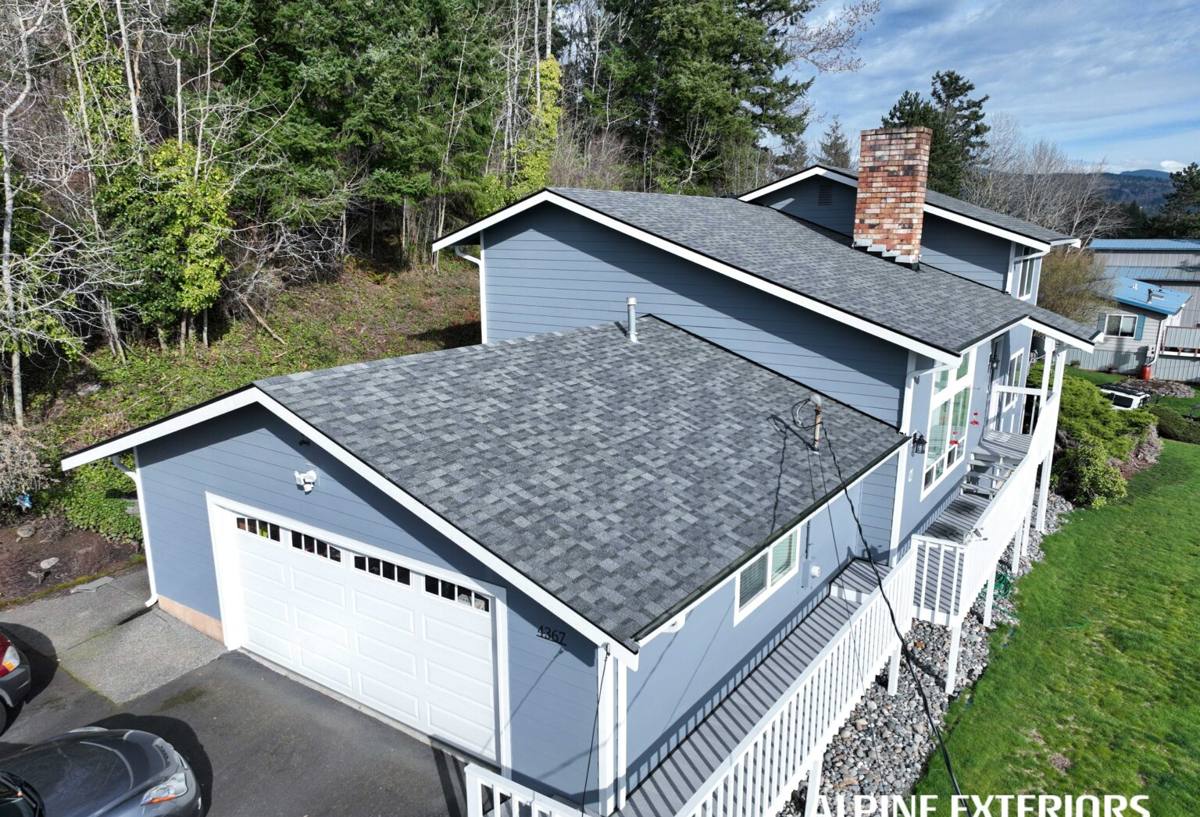
We offer full roof replacement, roof repair, and roof inspections for Skycrest homes. When we're on a roof, we're checking underlayment condition, flashing around penetrations (vents, chimneys, skylights), valley construction, and the overall attachment of the roof covering — not just whether the shingles look intact from the street.
Roofing Material Comparison for This Climate
| Material | Typical Lifespan Here | Wind/Storm Performance | Maintenance Notes |
|---|---|---|---|
| Architectural asphalt shingle | 15-25 years | Good when properly nailed and rated for high wind | Periodic inspection; watch for granule loss and sealant failure |
| 3-tab asphalt shingle | 12-18 years | Lower wind rating than architectural shingle | Shorter lifespan under intense UV |
| Standing seam metal | 30-50 years | Strong wind performance with proper fastening | Coastal-rated fasteners and coatings recommended near salt air |
| Tile (concrete or clay) | 30-50 years | Heavy, durable, but individual tiles can crack or dislodge in high wind if not properly secured | Underlayment condition matters more than the tile itself over time |
There's no single "best" roofing material for every Skycrest home — the right choice depends on the home's structure, your budget, and how long you plan to stay in the house. We'll walk through the honest trade-offs for your specific roof rather than pushing one product across the board.
Siding That Holds Up to Coastal Conditions
Siding takes a beating from the same sun, moisture, and salt exposure as the roof, plus it has to manage water running down the wall during wind-driven rain. We install and repair siding with attention to proper lapping, flashing at windows and doors, and ventilation behind the cladding — details that matter more in a coastal climate than they would inland, because trapped moisture behind siding doesn't dry out as quickly in Florida's humidity.
We're upfront about maintenance expectations with every siding material we install. Lower-maintenance options generally cost more upfront; materials that need more upkeep cost less initially but require homeowners to stay on top of caulking, painting, or cleaning schedules. We'll lay out that trade-off honestly rather than only pointing you toward whatever costs the most.
Windows: Sealing Out Wind-Driven Rain and Heat
Older windows in established neighborhoods like Skycrest are often single-pane or have failing seals, which means two things: energy loss from constant air conditioning use, and vulnerability to wind-driven rain intrusion during storms. Impact-rated and properly sealed replacement windows address both issues at once — they reduce heat transfer (which matters a lot given how many months a year Clearwater homes run AC) and they're built and installed to resist wind-borne debris and pressure changes during storms.
Window installation quality matters as much as the window product itself. A high-end window installed with poor flashing or sealant will still leak; a mid-range window installed correctly, with proper flashing integration into the surrounding wall assembly, will often outperform it. We install to that standard on every job.
Decks in a Humid, Sun-Heavy Environment
Outdoor decks in Pinellas County face constant UV exposure and Florida's humidity, which together are hard on both wood and composite decking. Untreated or under-maintained wood decking can gray, splinter, and rot faster here than in drier climates, especially at ground contact points and fastener locations. Composite decking resists rot and doesn't need staining, but it still needs proper substructure design so water doesn't pool underneath, and lower-quality composite can fade or become brittle under year-round sun exposure.
We build and repair decks with fastener and framing choices suited to Florida humidity — corrosion-resistant hardware, proper spacing for drainage and airflow, and attention to how the deck ties into the home's structure so it doesn't become a moisture entry point.
Why Hire a Local Crew for Skycrest Exterior Work
- We understand how Clearwater's specific mix of UV, humidity, wind-driven rain, and salt air actually wears down roofing, siding, windows, and decks over time — not just in general terms, but from working on homes in this climate.
- We're familiar with the wind-resistance and building code requirements that apply to Pinellas County exterior work, so installations are done to meet those standards, not just to look finished.
- A local crew can respond faster for inspections, warranty follow-up, or storm-related concerns than a company operating out of another region.
- We've seen how the four trades — roofing, siding, windows, and decks — interact on a house, so if one area of the exterior envelope has a moisture or ventilation issue, we can catch it instead of treating each surface in isolation.
Signs a Skycrest Home May Need Exterior Attention
- Curling, cracked, or missing shingles, or granules collecting in gutters
- Soft or spongy spots on the roof deck when walked on
- Siding that's warped, cracked, or pulling away from the wall
- Water stains on interior ceilings or walls near exterior walls or the roofline
- Windows that are difficult to open/close, foggy between panes, or drafty
- Visible rust on roof flashing, fasteners, or deck hardware
- Deck boards that are soft, splintering, or showing gaps at fastener points
- Rising energy bills without a clear cause, which can point to window or attic ventilation issues
Any one of these on its own might be minor. Several at once, or any sign of active water intrusion, is worth getting looked at before the next storm season rather than after.
How We Approach an Estimate
When we come out to a Skycrest property, we look at the whole exterior picture, not just the one thing you called about. A roof inspection often turns up a related siding or flashing issue, and vice versa. We'll tell you plainly what needs attention now, what can reasonably wait, and what your material and budget options look like — including when repair is the more sensible call than full replacement.
If you're in Skycrest or elsewhere in Clearwater and want a straight answer on the condition of your roof, siding, windows, or deck, we're glad to come take a look. Reach out for a free, no-pressure estimate using the form below.