 Clearwater Roofing
 When most homeowners think about their roof, they picture the shingles — the color, the style, maybe the brand. But shingles are really just the visible skin of a much more important system. Underneath that top layer sits the underlayment, the decking, the flashing, and the ventilation components that actually determine whether a roof survives a Gulf Coast summer or fails quietly from the inside out. In Clearwater and across Pinellas County, where roofs face hurricane-force wind gusts, wind-driven rain, relentless UV exposure, and salt-laden air almost year-round, what's under the shingles often matters more than the shingles themselves.
This page walks through the layers most people never see, why each one matters here specifically, and what to ask a contractor before you sign anything.
The Roof Is a System, Not a Single Layer
Shingles are designed to shed water and take the brunt of UV and wind. They are not designed to be your roof's only line of defense. A well-built roof is a stack of components working together:
- Roof decking (the structural wood base)
- Underlayment (the water-resistant barrier beneath the shingles)
- Flashing (metal or synthetic barriers at joints, valleys, and penetrations)
- Ventilation (intake and exhaust airflow through the attic)
- The shingles or roof covering itself
If any one of these layers is weak, undersized, or installed incorrectly, the whole system is compromised — even if the shingles on top look brand new. This is why two roofs can look identical from the street and perform completely differently during the same storm.
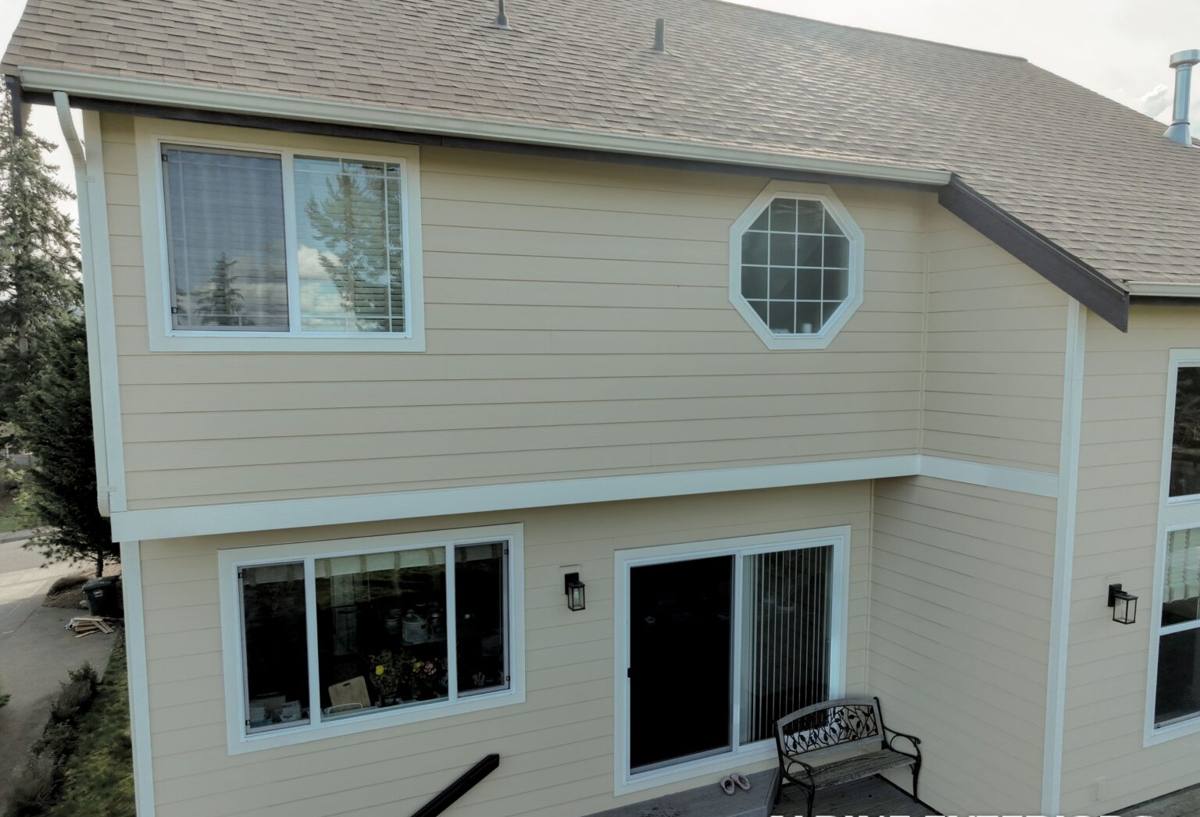
Roof Decking: The Foundation Nobody Sees
The decking is the plywood or OSB sheathing nailed to your roof trusses. Everything else — underlayment, flashing, shingles — is fastened to it. In Florida's humidity, decking that has been exposed to slow, chronic moisture from an aging or improperly installed underlayment can soften, delaminate, or rot long before anyone notices a leak inside the house.
A responsible re-roof includes an inspection of the decking once the old roofing material is stripped off. Soft spots, water staining, or delamination should be replaced before anything new goes down. Nailing new shingles over compromised decking doesn't fix the problem — it just hides it under a fresh layer, and fastener holding power on rotten wood is one of the biggest reasons shingles blow off in high wind, even when the shingles themselves were rated for the storm.
Underlayment: Your Real Water Barrier
Shingles are not fully watertight on their own, especially when wind drives rain sideways or lifts shingle edges during a gust. The underlayment beneath them is the layer actually responsible for keeping water out of the decking. There are a few common types:
| Underlayment Type | What It Is | Best Suited For |
|---|---|---|
| Traditional felt (15# or 30#) | Asphalt-saturated paper | Budget builds; lower wind/UV resistance over time |
| Synthetic underlayment | Woven polymer sheet | Most re-roofs in wind-prone coastal areas; tears less, handles UV exposure during install better |
| Self-adhered (peel-and-stick) membrane | Rubberized asphalt with adhesive backing | Valleys, eaves, and full-roof use in high wind-driven rain zones |
In a coastal county like Pinellas, where wind-driven rain can push moisture up and under shingle edges rather than straight down, the type and coverage of underlayment matters as much as the shingle brand printed on the wrapper. Full peel-and-stick coverage costs more, but it closes the gap that felt paper leaves at every fastener hole and seam.
Where Underlayment Fails Most Often
The most common underlayment failures we see aren't from bad material — they're from bad installation: insufficient overlap at seams, missing coverage at valleys, or underlayment that's been left exposed to UV for too long before the shingles go on. Synthetic and peel-and-stick products vary in how long they can sit exposed before installation; a crew working on a tight schedule sometimes skips that detail.
Flashing: Small Metal Pieces, Big Consequences
Flashing directs water away from the vulnerable joints in a roof — where a chimney meets the roof plane, where a wall intersects a roofline, around vent pipes, and in valleys where two roof slopes meet. Flashing failures are one of the most common causes of roof leaks, and they rarely show up as an obvious hole. Instead, water tracks along the underlayment or decking and shows up as a stain on a ceiling somewhere else in the house entirely, which makes the actual source hard to diagnose without someone getting on the roof.
Common flashing trouble spots include:
- Chimney and skylight step flashing that's been caulked over instead of properly layered
- Valley flashing that's undersized or corroded from years of salt air exposure
- Pipe boot flashing with cracked rubber collars — often the first flashing component to fail in intense Florida sun
- Wall-to-roof flashing (kick-out flashing) that's missing entirely, a frequent gap on additions or remodeled sections
Because Clearwater's air carries salt inland from the Gulf and the Intracoastal, metal flashing here corrodes faster than it would inland. Galvanized flashing that might last decades in a drier, inland climate can show pitting and rust well before that in a barrier-island or near-coastal property.
Ventilation: The Layer That Protects From the Inside
Attic ventilation doesn't stop rain, but it protects the roof system from a different kind of damage: heat and trapped moisture. A poorly ventilated attic in Florida's summer can reach temperatures well above the outside air, which accelerates shingle aging from underneath and can warp decking over time. Poor ventilation also traps humid air, which contributes to condensation on the underside of the decking — a slow, quiet source of wood decay that has nothing to do with an actual roof leak.
A balanced system needs both intake (typically at the soffits) and exhaust (ridge vents, box vents, or power vents) working together. Exhaust vents without adequate intake don't move air efficiently — they can even pull conditioned air from the living space instead of fresh air from outside. This is a detail that's easy for a re-roofing crew to overlook if they're focused only on what's visible from the ground.
Why This Matters More in Pinellas County
Roofs in most of the country deal with one or two of these stressors. Roofs in Clearwater and the surrounding Pinellas County area deal with all of them at once, repeatedly, every year:
- Hurricane-force wind tests fastening, underlayment adhesion, and flashing integrity all at once — a weak layer anywhere in the system becomes the point of failure.
- Wind-driven rain pushes water sideways and upward under shingle edges, which is exactly the scenario proper underlayment coverage and correctly lapped flashing are built to handle.
- Intense, near year-round UV degrades exposed underlayment, cracks pipe boots, and ages shingle granules faster than in northern climates.
- Salt air accelerates corrosion on metal flashing, fasteners, and vent components, especially the closer a home sits to the coast.
None of these stressors are unique to any one house — they apply broadly across the region. But they explain why a roof assembled with corner-cut underlayment or undersized flashing tends to show problems here years before an identical roof would in a milder climate.
What This Means When You're Comparing Re-Roof Quotes
Because the components under the shingles aren't visible after the job is done, they're also the easiest place for a quote to look cheaper than it should. Two proposals can list the same shingle brand and warranty length while differing significantly in underlayment type, flashing scope, and ventilation work. Questions worth asking any roofing contractor before you commit:
- What type of underlayment is included, and is it full-coverage or spot-applied at valleys and eaves only?
- Will the decking be inspected and, if needed, replaced — and how is that priced if it's not included in the base quote?
- Is all flashing being replaced, or is existing flashing being reused and caulked in place?
- What's the plan for attic intake and exhaust ventilation — is it being assessed at all, or just left as-is?
- Is pipe boot flashing being replaced with new collars, given how quickly they crack under Florida sun?
A lower bid that skips decking inspection, uses minimal underlayment coverage, or reuses old flashing isn't really a lower price — it's a shifted cost, one that shows up later as a leak, a warranty denial, or a full underlayment redo years ahead of schedule.
Signs Your Roof's Underlying Layers May Already Be Compromised
You usually can't see underlayment or decking problems directly, but there are indirect signs worth having checked out:
- Ceiling stains that appear after wind-driven rain but not necessarily during straight-down rain
- Sagging or a slightly spongy feel when walking sections of the roof (decking issue)
- Granules collecting heavily in gutters, which can point to accelerated shingle aging from heat buildup below
- Visible rust streaks near flashing points or vent pipes
- Musty attic smell or visible mold on the underside of the decking
Any one of these is worth a professional look before it becomes an interior repair on top of a roof repair.
The Bottom Line
Shingles get chosen for color and curb appeal, and that's fine — they should look good on your home. But the parts you'll never see again once the job is finished are the parts doing the real work of keeping Clearwater's wind, rain, sun, and salt air out of your house. A roof built with proper decking inspection, full underlayment coverage, correctly installed flashing, and balanced ventilation will simply outperform one that looks the same from the curb but cut corners underneath.
If you'd like a straightforward look at what's actually going on beneath your current roof — or want a quote that spells out exactly what underlayment, flashing, and decking work is included — we're happy to come take a look. The estimate is free, and there's no pressure either way.