 Clearwater Roofing
 Exterior Contractors Serving Belleair Bluffs, FL
Belleair Bluffs is a small, tightly packed community tucked between Largo, Belleair, and the Intracoastal Waterway on the Pinellas County peninsula. Homes here sit close to the water, close to their neighbors, and squarely in the path of everything the Gulf Coast throws at a roof, a wall, and a set of windows over the course of a year. Clearwater Roofing Co works throughout this stretch of Pinellas County, and Belleair Bluffs' mix of older bungalows, mid-century block homes, and newer waterfront-adjacent builds gives us a good sense of what actually wears out first and why.
This page walks through what we see most often on Belleair Bluffs homes, how our roofing, siding, window, and deck work is built around this specific climate, and what to think about before you hire anyone for exterior work here.
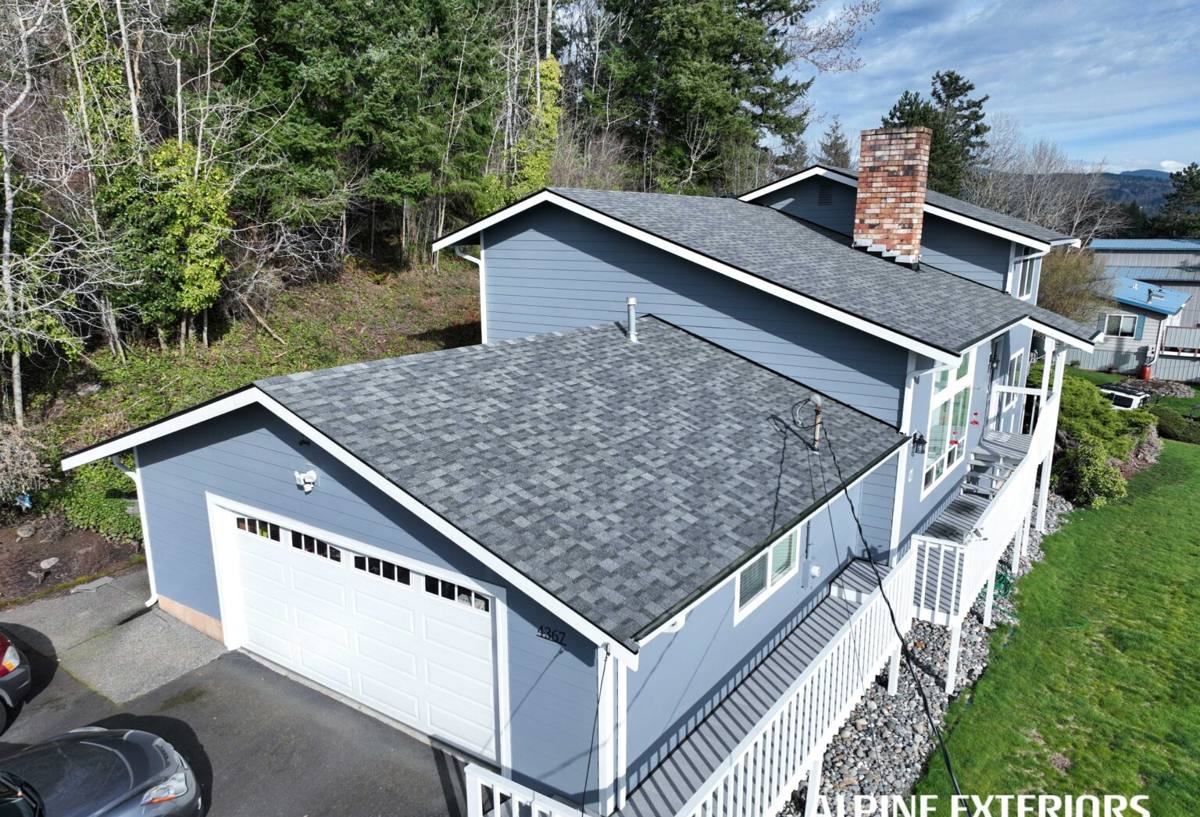
What the Climate Does to a Belleair Bluffs Home
Being this close to the Intracoastal and the Gulf means a few climate factors compound on top of each other instead of hitting one at a time.
Salt Air and Corrosion
Homes within a mile or two of the water take on airborne salt that settles on roofing metal, fasteners, window hardware, and any exposed steel or aluminum. Over years, that salt exposure accelerates rust on unprotected metal, pits lower-grade fasteners, and can cause premature staining or corrosion on flashing and gutters that weren't specified for coastal exposure. It's a slow process, but it's constant, and it's a big reason coastal-grade materials and fasteners matter more here than they do further inland.
Intense, Year-Round UV
Pinellas County doesn't really get a UV "off season." Roofing materials, especially asphalt shingles and painted or vinyl siding, take a steady beating from sun exposure twelve months a year. UV breaks down asphalt oils over time, which is part of why shingle roofs in Florida generally don't reach the lifespans quoted for cooler, cloudier climates. Siding and trim paint fade and chalk faster here too, which is worth factoring into how often you plan to repaint or refinish.
Wind-Driven Rain and Hurricane-Force Wind
Belleair Bluffs sits in a hurricane-prone part of the state, and even outside of a direct hurricane hit, this area regularly sees strong wind-driven thunderstorms. Wind-driven rain doesn't just fall on a roof — it gets pushed sideways and upward under shingle edges, around poorly sealed vents, and through weak points in siding and window flashing. A roof or wall system that isn't detailed correctly at the edges, valleys, and penetrations can leak in a hard-blowing storm even if it looks fine in normal weather. This is the single biggest reason installation quality matters as much as material choice.
Humidity and Moisture Cycling
High humidity combined with afternoon storms means exterior materials are constantly cycling between wet and dry. That cycling stresses caulking, seals, and any wood components, and it's why ventilation and proper flashing details matter as much as the finish material itself.
Roofing in Belleair Bluffs
Most of the roof failures we get called out for in this part of Pinellas County trace back to one of three things: aging asphalt shingles that have simply run out of UV life, flashing or fastener issues that let wind-driven rain in during a storm, or ventilation problems that shorten a roof's life from underneath. We inspect for all three, not just the obvious surface wear.
Common Roofing Materials We Work With
- Architectural asphalt shingles — the most common re-roof choice locally; rated for high wind when installed with the correct nailing pattern and starter/edge details
- Metal roofing — strong wind and hail performance and long service life, but requires coastal-appropriate fastener and flashing specs this close to the water
- Tile roofing — common on some Pinellas County homes, durable against UV but dependent on the underlayment and the fasteners doing their job for decades
We don't push one material as a blanket answer. The right choice depends on your roof's structure, your budget, how long you plan to stay in the home, and how close you are to the water.
Roof Repair vs. Replacement
| Factor | Points Toward Repair | Points Toward Replacement |
|---|---|---|
| Age of roof | Under 10-12 years | Approaching or past typical lifespan for the material |
| Extent of damage | Isolated leak, localized shingle or flashing damage | Widespread granule loss, multiple leak points, soft decking |
| Storm history | Minor wind damage, spot repairs hold | Repeated storm damage, insurance claims stacking up |
| Underlying decking | Solid, dry decking under damaged area | Rotted or saturated decking found during inspection |
Siding for Coastal Pinellas County Conditions
Siding on a Belleair Bluffs home has to hold paint or finish through relentless sun, shed wind-driven rain without letting moisture behind the panel, and resist the slow corrosive effect of salt air on fasteners and trim. We evaluate existing siding for exactly those failure points before recommending a repair or a full replacement.
Materials We Install
- Fiber cement siding — holds paint longer than vinyl in intense UV, resists moisture-driven warping, and stands up well to coastal humidity when properly sealed and fastened
- Vinyl siding — lower upfront cost and low maintenance, though color retention in constant Florida sun is a real consideration and we'll walk you through that trade-off honestly
- Engineered wood and other trim products — used selectively where the look calls for it, with moisture management as the top priority
Whatever the material, the details at seams, corners, and window/door transitions are what actually keep water out during a wind-driven storm. That's where we spend our attention, not just on the field of the siding itself.
Windows That Perform in Wind and Salt Air
Older windows in this part of Pinellas County are frequently the weak point in an otherwise solid home — failed seals, worn weatherstripping, and hardware that's corroded from years of salt air. Beyond comfort and energy costs, window performance matters for wind resistance and keeping wind-driven rain out during storms.
When we replace windows, we look at:
- Impact resistance ratings appropriate for your specific location and exposure
- Frame material and hardware suited to coastal salt exposure, not just inland-grade components
- Proper flashing and sealing at the rough opening — the installation detail that determines whether a good window actually performs like one
- Realistic maintenance expectations so hardware and seals get inspected before they fail, not after
Decks Built for Florida Weather
A deck in Belleair Bluffs faces sun exposure and moisture cycling that inland decks simply don't see at the same intensity. Whether it's a wood deck or composite decking, the structural fasteners, ledger connection, and framing underneath matter as much as the surface material — that's where hidden rot and corrosion tend to start, well before the visible boards show any problem.
We build and repair decks with attention to proper flashing at the house connection, corrosion-resistant fasteners, and drainage that keeps water from pooling against the structure. Composite decking has become popular locally because it holds up to UV and moisture without the recurring maintenance wood requires, though it comes at a higher upfront cost — a trade-off we'll lay out plainly based on your budget and how you use the space.
Why a Local Crew Matters Here
Belleair Bluffs and the surrounding Pinellas County communities have their own permitting requirements, wind-load standards, and inspection expectations tied to Florida's coastal building code. A crew that works this area regularly knows what inspectors are looking for, understands how close-to-the-water exposure should change material and fastener choices, and can spot the early signs of salt or UV damage that an out-of-town crew might miss entirely. That local familiarity shows up in fewer surprises during the job and fewer callbacks after it.
What to Check Before You Hire a Contractor
- Florida contractor license, verifiable and current
- General liability and workers' compensation insurance
- A written estimate that specifies materials, fastener types, and scope — not just a total price
- Manufacturer warranty details explained clearly, including what voids them
- Local references or a track record of work in Pinellas County specifically
- A clear plan for permitting where required
Get a Free, No-Pressure Estimate
If you're dealing with an aging roof, siding that's showing its age, windows that leak or stick, or a deck that needs attention, we're happy to take a look and give you an honest assessment — no pressure, no hard sell. Use the form below to request a free estimate for your Belleair Bluffs home.