 Clearwater Roofing
 Storm Damage Roof Repair Built for Belleair Bluffs Homes
Belleair Bluffs is a small, tightly packed Pinellas County community, and that closeness comes with a shared reality: every roof here is fighting the same weather. Hurricane-force wind gusts, sideways rain that finds every gap in flashing, relentless year-round UV, and salt-laden air off the Gulf don't treat every house the same, but over time they wear down the same weak points on almost every roof in this part of the county. When a storm rolls through, the damage it leaves behind is rarely random. It shows up where the roof was already vulnerable.
Storm damage repair isn't just patching a leak and moving on. Done correctly, it means understanding why that spot failed, whether the surrounding roof took damage that isn't visible yet, and how to bring the repair back up to a standard that can take the next storm. That's the approach this page is about: what storm damage repair actually requires for a Belleair Bluffs roof, and what a homeowner should expect from a crew that does this work correctly.
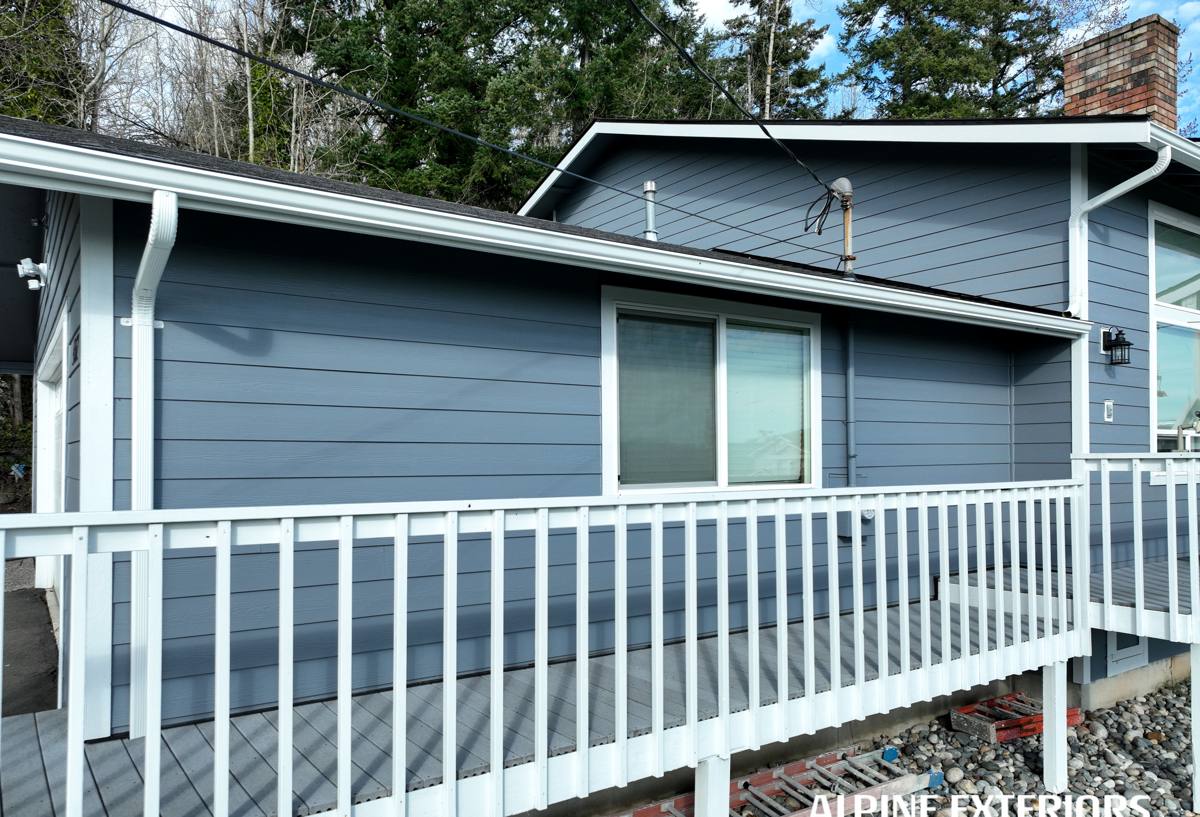
How Pinellas County Storms Actually Damage a Roof
Most homeowners assume storm damage means missing shingles or a hole punched through the roof deck. Sometimes it does. More often, the damage is quieter and easier to miss until it's already caused a leak.
Wind Uplift
Sustained wind and gusts create uplift pressure at the roof's edges, corners, and ridge line first. Shingles, tiles, or panels don't need to blow off completely to be compromised — wind can break the seal or crack an adhesive bond and leave a covering that looks intact but is no longer sealed against wind-driven rain.
Wind-Driven Rain Intrusion
Florida storms rarely drop rain straight down. Wind pushes it sideways and upward under shingle tabs, around vent boots, and behind flashing that would keep out a normal rain. This is how a roof can pass a casual visual check after a storm and still be actively leaking into the attic.
Impact and Debris Damage
Tree limbs, loose fencing, and airborne debris from neighboring properties can crack tiles, dent metal panels, or bruise shingle mat in ways that don't fail immediately but shorten the material's remaining life significantly.
Cumulative UV and Salt Air Wear
This is the piece that turns a moderate storm into a bigger problem than it should be. Constant UV exposure dries out and embrittles roofing materials, while salt air accelerates corrosion on fasteners, flashing, and metal components. A roof that's already brittle or corroded from years of Gulf-side exposure has far less give when a storm hits it, so damage that a newer roof would shrug off can crack or tear an older one.
What a Correct Storm Damage Repair Actually Involves
A quick patch over a visible leak can buy time, but it isn't the same thing as a proper repair. Correct storm damage repair addresses the full path water can travel, not just the spot where it became visible inside the house.
- A full inspection of the affected slope, not just the leak point, since wind damage tends to spread out from where it started
- Checking the underlayment beneath damaged coverings — if it's saturated or torn, it has to be replaced, not just covered back over
- Inspecting and resealing flashing around penetrations: vents, chimneys, skylights, and wall-to-roof transitions
- Confirming the roof deck itself is sound, since wet decking that's left in place will rot and eventually need far more extensive work
- Matching replacement materials for wind rating and profile, not just color
- Bringing the repaired section up to current Florida Building Code requirements, which may call for different fastening or underlayment than what was originally installed
Skipping any of these steps is how a "repaired" roof ends up leaking again in the next storm, sometimes worse than before because the damage was sealed in rather than fixed.
Our Storm Damage Repair Process
1. Inspection and Documentation
We start by getting on or safely accessing the roof to assess the actual extent of damage, including areas that aren't visible from the ground. We document what we find with photos, which matters both for planning the repair and for any insurance claim you may need to file.
2. Emergency Mitigation
If the roof has active leaking or exposed decking, stopping further water intrusion comes first. Tarping and temporary sealing prevent a repairable problem from becoming a replacement-level one while the full repair is scheduled.
3. Scope and Estimate
We walk you through what's actually damaged, what repair options exist, and what we'd recommend and why. No pressure to upgrade beyond what the roof needs, and no downplaying damage that does need attention.
4. The Repair
We remove and replace only the compromised materials and underlayment, verify the deck is sound, reseal or replace flashing, and match the surrounding roof as closely as materials allow.
5. Final Check
Before we consider the job done, we re-inspect the repaired area and the surrounding roof surface to confirm there's nothing else the storm affected that we'd want you to know about.
Repair or Replace? How We Help You Decide
Not every storm-damaged roof needs a full replacement, and not every roof is worth repairing again. The right call depends on the roof's age, condition, and how much of it the storm actually affected.
| Factor | Leans Toward Repair | Leans Toward Replacement |
|---|---|---|
| Roof age | Under roughly 10-12 years | Near or past its expected service life |
| Extent of damage | Localized to one section or slope | Widespread or affecting multiple slopes |
| Underlayment/deck condition | Dry, sound beneath the damaged area | Saturated, rotted, or previously patched multiple times |
| Material availability | Matching material still available | Original material discontinued or badly weathered elsewhere on the roof |
| Typical cost range | Roughly a few hundred dollars up to $2,000-$3,000 for larger sections | Full re-roofs vary widely by size and material — we quote after inspection |
These ranges are general guidance, not a quote — every roof and every storm event is different, and the only way to give you an accurate number is to look at your specific roof.
Storm Damage and Insurance Claims
Filing a homeowners insurance claim for storm damage can be straightforward or frustrating depending on the documentation behind it. We provide clear photo documentation and a written scope of the damage we find, which gives you and your adjuster something concrete to work from. What we won't do is inflate a scope to chase a bigger payout or promise a claim outcome — insurance decisions are between you and your carrier, and any contractor who guarantees approval before an adjuster has even looked at the roof isn't being straight with you.
Why a Crew That Already Works in Belleair Bluffs Matters
Roofing code and wind requirements in Pinellas County reflect the fact that this is a hurricane-exposed part of Florida, and a repair that doesn't meet those standards can create problems at resale or with a future claim. A crew that regularly works in and around Belleair Bluffs already understands local permitting expectations, typical roof types in the area, and how quickly conditions can change here after a named storm moves through. That familiarity translates into faster, more accurate assessments and repairs that are built to the standard this coastal environment actually demands — not a generic patch job.
Response time matters too. After a significant storm, roofing demand spikes across the whole Clearwater area at once. Working with a company that already has a presence in Belleair Bluffs means less time waiting in a queue behind homeowners across the county.
Roofing Materials That Hold Up to This Climate
When storm repairs involve replacing materials, what you replace them with matters as much as the workmanship. In a high-UV, salt-air, hurricane-exposed environment like Pinellas County, we favor materials and fastening methods rated for high wind zones, with corrosion-resistant flashing and fasteners over standard-grade hardware. Where a homeowner's existing roofing material has a poor track record of holding up to sustained coastal exposure, we'll say so plainly and explain the trade-offs of repairing in kind versus upgrading the affected section — it's your decision, but you should be making it with full information.
Between Storms: Keeping Damage From Becoming a Bigger Problem
Most of the roof failures we see after a major storm trace back to smaller damage that went unnoticed for months or years beforehand. A few habits go a long way toward catching problems early.
- Have the roof inspected after any storm with sustained winds, even if you don't see obvious damage from the ground
- Check attic spaces periodically for staining, damp insulation, or daylight coming through the decking
- Keep gutters and valleys clear so wind-driven rain has somewhere to drain instead of backing up under shingles
- Trim back tree limbs that overhang the roof before storm season
- Address small leaks immediately rather than waiting for the next storm to make them worse
- Keep a record of prior repairs and inspections — it helps with both maintenance planning and insurance documentation
If your Belleair Bluffs roof has taken storm damage, or you just want an honest read on its condition before the next system rolls through, we'll come take a look and give you a straightforward assessment. Reach out for a free, no-pressure estimate using the form below.