 Clearwater Roofing
 Roofing in Seminole Comes With Its Own Set of Problems
Seminole sits close enough to the Gulf that salt air is part of daily life, and far enough inland that it still takes a direct hit whenever a storm tracks through Pinellas County. That combination is hard on a roof. Homes here deal with hurricane-force wind gusts, sustained wind-driven rain that finds every weak seam, intense UV exposure nearly every day of the year, and a steady dose of salt in the air that accelerates corrosion on fasteners, flashing, and vents. An asphalt shingle roof that's installed correctly can handle all of that for decades. One that's installed with shortcuts usually starts showing problems within the first few storm seasons.
This page is about one job in one part of Clearwater's service area: asphalt shingle roofing for homes in Seminole. Not a general overview of shingle roofing everywhere — what actually matters for a roof that has to survive this specific climate, sitting on this specific ground, exposed to this specific weather pattern.
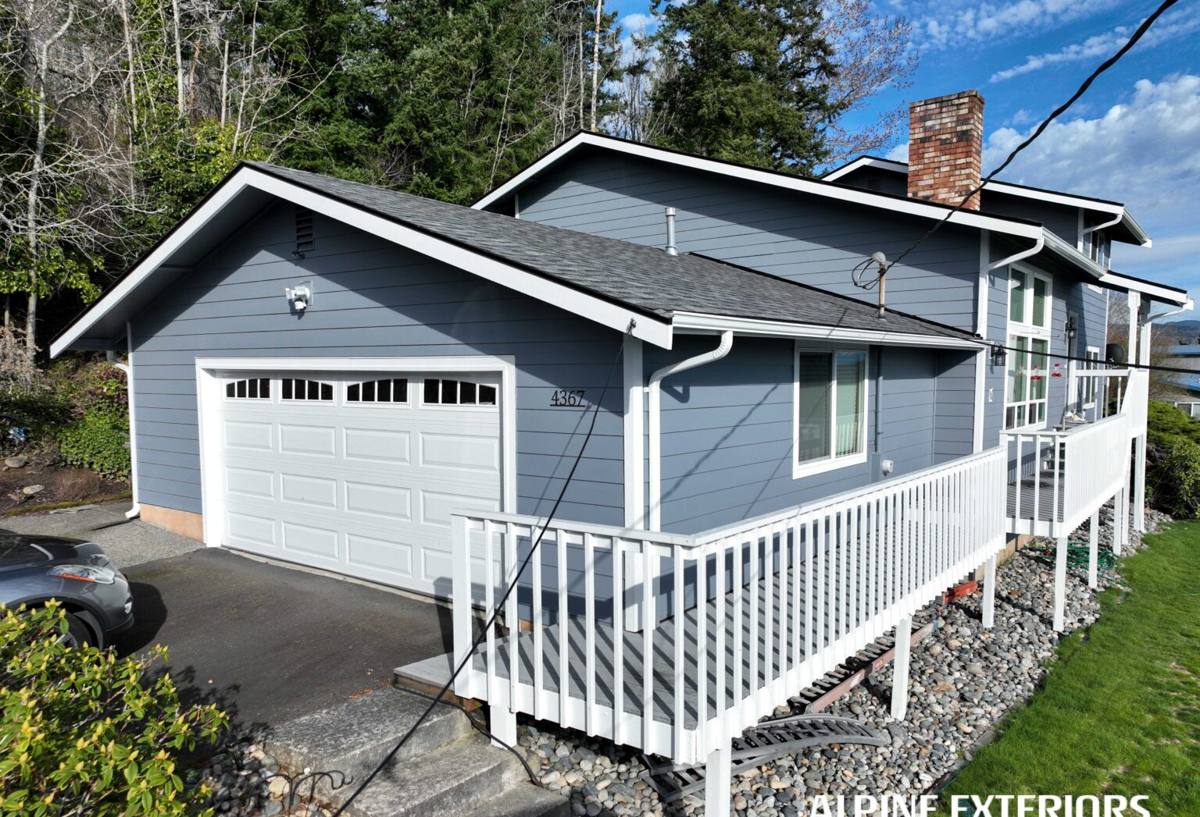
What Seminole's Climate Actually Does to a Shingle Roof
Wind
Pinellas County building code requires roofing materials and installation methods rated for high-velocity hurricane zone conditions. That's not bureaucratic overkill — it reflects the real wind loads a roof here can see, both from tropical systems and from the strong afternoon thunderstorms that roll through most of the summer. Shingles that aren't rated, fastened, and sealed correctly for those wind speeds are the ones that end up scattered across a yard after a storm.
UV and heat
Florida sun breaks down asphalt shingles faster than in most of the country. UV exposure dries out the asphalt over time, making shingles more brittle and more prone to cracking or granule loss. Attic heat buildup compounds this from underneath, which is why roof ventilation is not optional on a correctly built Seminole roof — it's part of what determines how many years you actually get out of the shingles.
Wind-driven rain
Straight-down rain is easy for any roof to shed. Wind-driven rain — the kind that comes in sideways during a tropical storm or a strong squall — tests every flashing detail, every nail line, and every underlayment seam. This is where a lot of roof leaks actually start: not in the field of the shingles, but at valleys, penetrations, and edges that weren't detailed for sideways rain.
Salt air
Even though Seminole isn't directly on the beach, Gulf-influenced salt air reaches homes throughout this part of Pinellas County. Over time it accelerates corrosion on exposed metal — nail heads, drip edge, flashing, and roof vents. Material choices and fastener quality matter more here than they would further inland.
What a Correct Asphalt Shingle Installation Involves
A shingle roof is a system, not just a layer of shingles nailed to plywood. Every layer underneath the shingles does specific work, and skipping or shortcutting any of them is how roofs end up leaking or losing shingles well before they should.
Deck inspection and repair
Before anything goes down, the roof deck needs to be checked for soft spots, delamination, or water damage from the old roof. Any bad plywood gets replaced. Installing new shingles over a compromised deck just hides a problem that will resurface as a leak later.
Underlayment
A synthetic underlayment (or, in some applications, self-adhered membrane at eaves, valleys, and penetrations) provides the roof's real waterproofing backup. In a wind-driven rain climate, underlayment is what keeps a home dry if wind ever forces water up under a shingle tab.
Flashing details
Valleys, chimneys, skylights, sidewalls, and roof-to-wall transitions all need properly formed and sealed flashing — not just roofing cement smeared over a gap. This is one of the most common places corners get cut on cheap installs, and it's one of the most common places leaks start.
Nailing pattern and fastener count
High-wind-zone code specifies nail count and placement for a reason. Under-nailed shingles, or shingles nailed too high on the tab, are far more likely to lift and blow off in a storm — even if the shingle itself is rated for high wind.
Ventilation
Balanced intake and exhaust ventilation keeps attic temperatures and moisture in check, which protects both the shingles from the underside and the roof deck from trapped humidity.
Choosing the Right Shingle for a Seminole Roof
Not every asphalt shingle product is built for the same conditions. For a Seminole home, wind rating and durability generally matter more than saving a small amount on material cost, since the roof needs to hold up through repeated storm seasons.
| Shingle Type | Typical Wind Rating | Expected Lifespan | Best Fit |
|---|---|---|---|
| 3-Tab Asphalt | Lower end of code-compliant range | 15–20 years | Budget-conscious projects, secondary structures |
| Architectural (Laminated) Asphalt | Mid-to-high, product dependent | 25–30 years | Most Seminole homes — better wind performance and appearance |
| Impact-Rated / High-Wind Architectural | Highest available in asphalt category | 25–30+ years | Homes seeking maximum wind performance or insurance credit |
We'll walk through the trade-offs for your specific roof rather than defaulting to whatever's cheapest or whatever has the best margin — the right choice depends on your roof's shape, exposure, and what you're trying to get out of the investment.
How We Approach a Seminole Roofing Project
Inspection and honest assessment
We start by getting on the roof, not just looking at it from the driveway. We check the deck condition, existing flashing, ventilation, and overall shingle wear, and we tell you plainly whether you're looking at a full replacement, a repair, or something in between.
Material selection based on your roof, not a sales script
We'll explain the real differences between shingle options for your specific roof — pitch, exposure, and what the manufacturer's wind rating actually requires for installation to stay valid.
Installation done to code, not just to pass a quick glance
Deck repair where needed, correct underlayment, properly formed flashing, and full nailing patterns per manufacturer and code specification — the details that don't show up in a photo but determine whether the roof survives the next storm.
Cleanup and final walkthrough
Job site cleanup including a magnetic sweep for stray nails, followed by a walkthrough so you know exactly what was done and what to expect from the roof going forward.
Signs Your Seminole Roof May Need Attention
Most shingle roof problems give some warning before they become a leak inside the house. Worth checking for, especially after a windy storm:
- Shingles that are cracked, curling at the edges, or missing granules (showing bare dark patches)
- Shingles that are lifted, torn, or missing entirely, particularly along ridges and edges
- Granules collecting in gutters or at downspout runoff points
- Soft spots or sagging areas when walking the roof
- Daylight visible through the roof deck from inside the attic
- Water stains on ceilings or in the attic, even small or old-looking ones
- Rusting or lifted flashing around chimneys, vents, or skylights
- Dark streaking (often algae) across large areas of the shingle field
Any one of these on its own isn't necessarily an emergency, but they're worth having looked at before the next storm season rather than after.
Permits, Codes, and Insurance in Pinellas County
Roof replacements in Seminole require a permit through Pinellas County or the applicable local jurisdiction, and the work has to meet Florida Building Code requirements for high-velocity hurricane zones. A properly permitted and inspected roof also matters when it comes to homeowners insurance — many carriers offer wind mitigation credits for roofs that meet current code, but only if the installation is documented correctly. We handle the permitting and inspection process as part of the job, and we can provide the paperwork you'll need for a wind mitigation inspection afterward.
Why Hiring a Crew That Already Works in Seminole Matters
A roofing contractor who regularly works in Seminole and the greater Clearwater area already knows the county's permitting process, the inspection requirements, and the way local weather actually stresses a roof over time — not just how it's supposed to perform on paper. That familiarity shows up in fewer surprises during the permit process, fewer callbacks for details that were missed the first time, and a roof that's built for the conditions it will actually face, not a generic install. It also means you're working with a company that will still be around and reachable if a warranty question or storm-related issue comes up down the road.
Get a Straight Answer About Your Roof
If you're dealing with an aging roof, storm damage, or just want an honest read on where things stand, we're happy to take a look. Fill out the form below for a free, no-pressure estimate on asphalt shingle roofing for your Seminole home.