 Clearwater Roofing
 Exterior Work in Coachman Ridge, Clearwater
Coachman Ridge is one of the many established residential pockets that make up Clearwater's inland neighborhoods, sitting well within Pinellas County's reach of both Gulf weather and the daily grind of Florida sun. Homes here run the usual mix you'd expect from a mature Central Florida suburb: a good number of original roofs pushing past their rated lifespan, siding that's seen two or three decades of humidity cycles, and windows that were never built to today's wind-load or energy standards. None of that is unusual. What matters is how those materials are holding up against the specific combination of conditions this part of the county throws at them, and what a homeowner should actually do about it.
We work exterior projects — roofing, siding, windows, and decks — across Clearwater and the surrounding Pinellas County area, and Coachman Ridge is squarely in our regular service footprint. That matters more than it might sound like, because exterior work isn't one-size-fits-all. A roof detail that works fine in a drier inland climate can fail here in half the time if it's not installed with Gulf Coast conditions in mind.
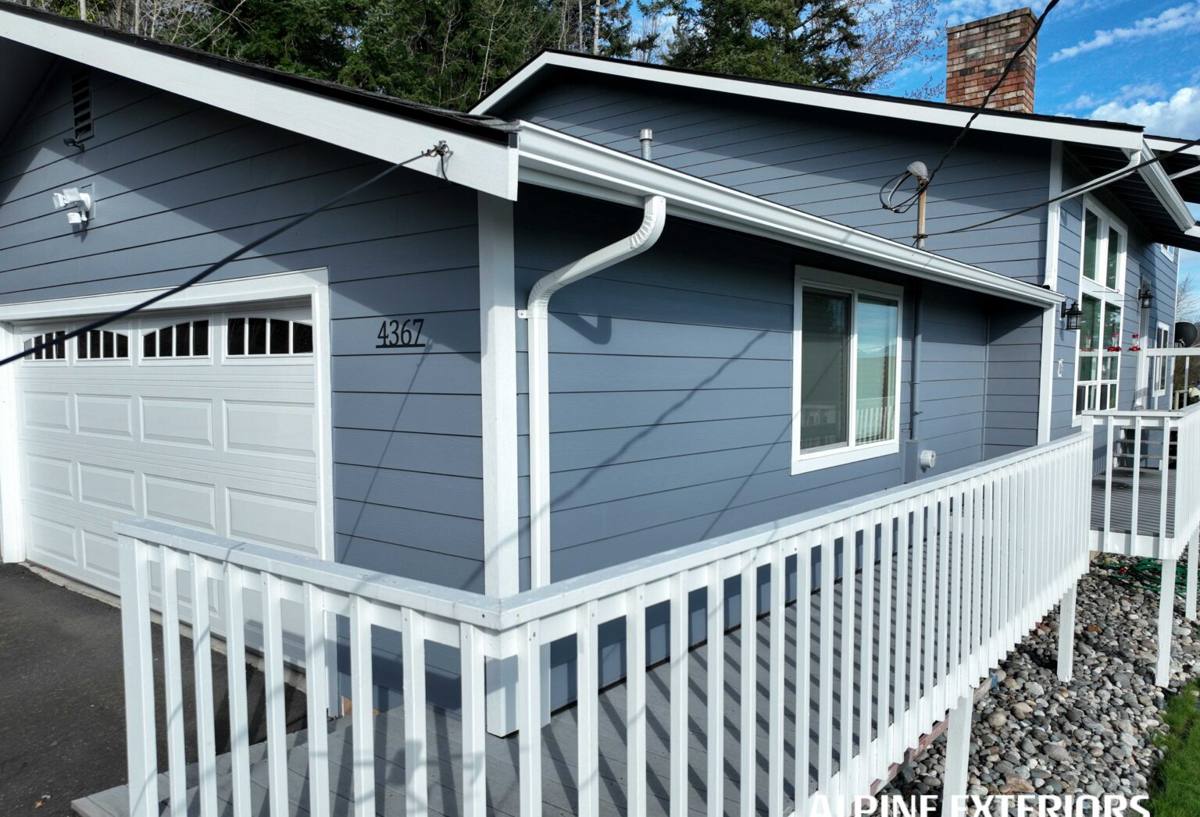
What the Climate Actually Does to a House
Hurricane-Force Wind
Pinellas County sits in a hurricane-prone zone, and even in years without a direct hit, tropical systems and strong seasonal storms push sustained winds and gusts through the area regularly. Wind doesn't just tear things off a house in a single dramatic event — it works on fasteners, flashing, and seams over years, loosening what wasn't installed tight the first time. A roof or siding job that's slightly under-fastened may look fine for a while and then fail all at once during the next real blow.
Wind-Driven Rain
Rain that comes in sideways behaves very differently than rain that falls straight down. It finds gaps around windows, under siding laps, and at roof penetrations that would never leak in a calm downpour. Wind-driven rain is one of the most common causes of hidden water intrusion we see in homes throughout this part of Clearwater — the damage is often inside the wall or under the roof deck long before it shows up as a stain on the ceiling.
Year-Round UV Exposure
Florida doesn't give roofing and siding materials an off-season. Asphalt shingles, vinyl siding, and window seals are all breaking down slowly, every single day, from UV exposure — not just in the peak of summer. Materials rated for northern climates often underperform here simply because they weren't tested against this much sun over this many months per year.
Salt Air
Clearwater isn't directly on the open Gulf everywhere, but salt-laden air moves inland across Pinellas County and accelerates corrosion on metal fasteners, flashing, gutters, and hardware. Over time, that corrosion is what causes a roof or siding system to fail at its connection points rather than in the field of the material itself.
Roofing Considerations for Coachman Ridge Homes
Most of the roofing calls we take in this area fall into one of a few categories: a roof that's simply reached the end of its service life, storm damage that needs assessment and repair, or a homeowner who wants to get ahead of a problem before it becomes an insurance claim. Given the wind and rain exposure discussed above, we pay particular attention to underlayment quality, fastening patterns, and flashing details — the parts of a roof that don't show up in a curbside look but determine whether it survives the next major storm.
| Roofing Material | Typical Lifespan (this climate) | Key Trade-Off |
|---|---|---|
| Architectural Asphalt Shingle | 15-20 years | Most affordable upfront; UV and wind exposure shorten lifespan versus milder climates |
| Metal (standing seam) | 30-50 years | Higher upfront cost; excellent wind and UV performance, needs correct fastening for salt-air durability |
| Tile (concrete or clay) | 30-50+ years | Heavy — requires adequate structure; underlayment quality matters more than the tile itself |
| Flat/Low-Slope Membrane | 15-25 years | Common on additions and porches; seam quality is the main failure point in wind-driven rain |
There's no universally "best" roofing material — the right choice depends on the home's structure, the budget, and how long the homeowner plans to stay in the house. We'll walk through the honest trade-offs for your specific roof rather than pushing one product line.
Siding That Holds Up to Humidity and Salt Air
Siding in this part of Clearwater takes a slower, quieter beating than a roof does. Humidity cycling causes expansion and contraction that, over years, loosens panels and opens seams. Combined with salt air's effect on fasteners and trim, older siding jobs often show gaps, warping, or fading well before the panels themselves are truly worn out. When we replace or repair siding, the fastening pattern and moisture barrier behind the panels matter as much as the siding material itself — a good product installed loosely will underperform a modest product installed correctly.
We also pay attention to how siding meets window and door trim, since those transition points are where wind-driven rain most commonly finds its way in.
Windows Built for Wind and Sun, Not Just Looks
Older windows in Coachman Ridge homes were often installed to a much lower wind-load standard than current Florida building code requires, and single-pane or aging double-pane units let a lot of UV-driven heat into the house. When we replace windows, we're weighing impact resistance, sealing quality around the frame, and how much heat gain the glass allows — not just the look of the frame. Poorly sealed windows are also one of the more common paths for wind-driven rain intrusion during storms, so correct flashing and sealant work at installation is as important as the window unit itself.
Decks: Built for Outdoor Living Under Constant Sun
Decks in this climate deal with the same UV and humidity stress as everything else on the exterior, plus direct foot traffic and standing water after heavy rain. Fastener corrosion from salt air is a common issue on older decks, along with wood movement from repeated wet-dry cycles. Whether it's a wood or composite deck, drainage, ventilation underneath, and corrosion-resistant hardware all matter more here than they would in a drier, cooler climate.
Why a Local Crew Makes a Real Difference
A crew that works Pinellas County regularly knows what wind-driven rain damage actually looks like when it's found mid-repair, knows which flashing and fastening details hold up here versus which ones are cutting corners for a milder climate, and can respond quickly if a storm comes through and Coachman Ridge homeowners need an honest damage assessment. It also means straightforward, in-person communication throughout a project instead of dealing with a call center or an out-of-area sales team that won't be around for the follow-up.
Local reputation is earned job by job in the same neighborhoods, which keeps the incentive aligned toward doing the work right the first time.
Homeowner Maintenance Checklist for This Climate
- Have your roof visually inspected after any major storm, even if you don't see obvious damage from the ground
- Check attic spaces periodically for signs of moisture, staining, or a musty smell — early signs of a slow leak
- Clean gutters and downspouts regularly so wind-driven rain has a clear path off the roof
- Look at caulking and sealant around windows and doors once a year; UV exposure breaks it down faster here than in most climates
- Rinse salt residue off siding, railings, and exterior hardware periodically, especially after dry, windy stretches
- Inspect deck fasteners and connections annually for corrosion, particularly near ground contact points
- Address small issues — a lifted shingle, a loose siding panel, a soft deck board — before the next storm season rather than after
Storms, Insurance, and Getting an Honest Assessment
After a significant wind event, it's common for homeowners in Coachman Ridge and across Clearwater to need a clear, documented assessment of roof or siding condition for insurance purposes. We provide straightforward evaluations — what's storm-related damage, what's normal wear, and what can reasonably wait — so homeowners have accurate information going into a claim rather than guesswork. We're not in the business of inflating damage to chase a bigger claim, or downplaying real damage to save on a repair; the goal is an accurate picture either way.
What to Expect Working With Us
For roofing, siding, window, or deck work in Coachman Ridge, the process starts with an on-site look at the actual condition of your home — not a generic estimate based on square footage alone. From there we walk through material options and honest trade-offs for your budget and timeline, and we're clear about what's necessary now versus what can be scheduled for later. Because we work this area regularly, scheduling and follow-up tend to be more responsive than dealing with a crew that's driving in from outside the county.
If your roof, siding, windows, or deck are showing their age or storm wear, we're happy to take a look and put together a free, no-pressure estimate — just fill out the form below to get started.