 Clearwater Roofing
 New Roof Installation for Coachman Ridge Homes
Coachman Ridge sits in one of Clearwater's older established residential pockets, which means a lot of the roofs here are original to the home or are on their second or third re-roof. If you're a homeowner in this neighborhood looking into a full roof replacement, you're dealing with a specific mix of conditions: mature tree canopy that drops debris and holds moisture against the deck, homes built across several different decades with different framing and decking standards, and the same Gulf-adjacent climate pressures every Clearwater roof has to survive. A correct new roof installation here isn't just "same as anywhere else in Florida" — it needs to account for what this particular pocket of Pinellas County throws at a roof year after year.
This page covers what a proper new roof installation looks like for Coachman Ridge specifically: the climate factors that should drive your material and system choices, what our process actually involves, and why local installation experience in this exact neighborhood matters more than most homeowners realize.
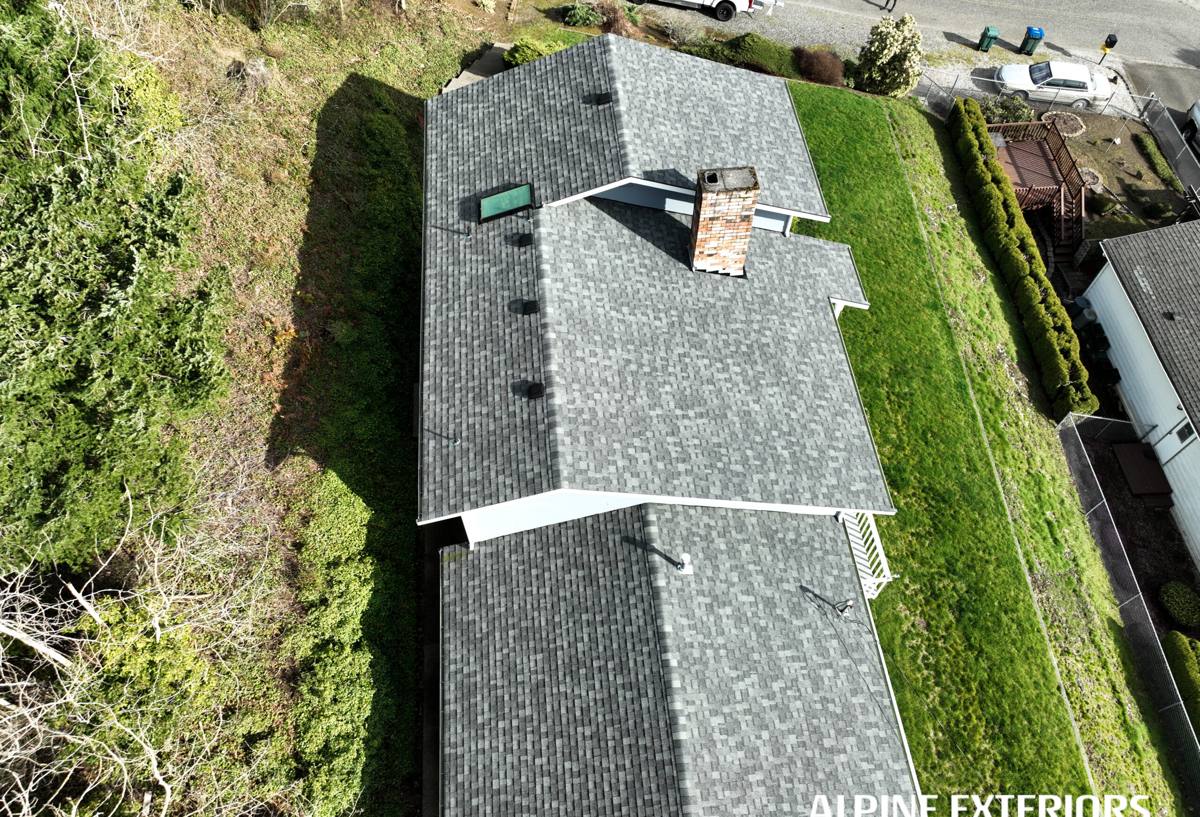
What Coachman Ridge Roofs Are Up Against
Every roof in Clearwater deals with hurricane-force wind events, intense year-round UV exposure, wind-driven rain, and salt-laden air moving in off the Gulf. Coachman Ridge's tree cover adds a layer on top of that. Overhanging branches shed leaves, pine needles, and organic debris that collect in valleys and behind chimneys, holding moisture against shingles or underlayment far longer than a roof in a more open, sun-exposed lot. That constant damp-dry cycling accelerates granule loss on asphalt shingles and can lead to premature algae or moss growth on the north-facing slopes that stay shaded longest.
At the same time, the UV load in this part of Florida is relentless. Even with tree cover reducing direct sun exposure on parts of a roof, the sections that do get full sun bake all day, every day, for months at a stretch. That uneven exposure — some sections shaded and damp, others sun-baked and dry — is actually harder on a roofing system than uniform exposure would be, because different parts of the same roof age at different rates.
Wind and Storm Load
Pinellas County's building code requires roofing systems rated for high-velocity wind zones, and that code applies whether your house was built in 1975 or last year. A new roof installation is your chance to bring an older Coachman Ridge home fully up to current wind-uplift standards — proper nailing patterns, sealed starter courses, correctly rated underlayment, and edge metal that's designed to stay put when gusts try to get underneath the roof edge and peel it back. Wind-driven rain during tropical systems doesn't just test the shingles themselves; it tests every seam, flashing point, and penetration on the roof.
Salt Air and Metal Components
Clearwater's proximity to the Gulf means salt air reaches inland neighborhoods like Coachman Ridge too, not just waterfront property. Salt exposure accelerates corrosion on unprotected or lower-grade metal — flashing, vents, fasteners, and drip edge. On a new installation we spec corrosion-resistant metal components throughout, because replacing a shingle is a much smaller job than dealing with water intrusion caused by a corroded flashing point years down the line.
What a Correct New Roof Installation Involves
A new roof is more than stripping the old material and nailing down new shingles. The parts of the system nobody sees from the ground are what actually determine whether the roof performs in a storm and lasts its full expected lifespan.
- Full tear-off and deck inspection. We remove the existing roofing material down to the deck and inspect every sheet of plywood or OSB for soft spots, delamination, or water damage — especially important on older Coachman Ridge homes where tree debris may have caused slow, hidden leaks over the years.
- Deck repair or replacement. Any compromised decking gets replaced before anything new goes down. Installing new roofing over a weak deck is a guaranteed callback, and it undermines the wind rating of the entire system.
- Underlayment matched to the climate. Given the wind-driven rain this area sees, we use underlayment products designed for high-moisture, high-wind conditions rather than the minimum code allows.
- Flashing at every penetration. Chimneys, plumbing vents, skylights, and wall-to-roof transitions are where leaks start. Each gets properly formed, corrosion-resistant flashing — not just sealant, which degrades under UV exposure over time.
- Ventilation review. Attic ventilation affects both energy costs and how long roofing materials last, since trapped heat and moisture cook shingles and underlayment from underneath.
- Wind-rated fastening and edge detail. Nailing patterns, starter strip installation, and edge metal are done to meet or exceed Pinellas County's wind-uplift requirements, not just minimum code.
Choosing a Roofing System for This Neighborhood
There's no single "best" roofing material for every home — the right choice depends on your home's structure, your budget, your tolerance for maintenance, and how long you plan to stay in the house. What we can tell you honestly is how the common options perform under Coachman Ridge's specific mix of tree cover, sun exposure, and storm risk.
| Material | Performance Under Local Conditions | Maintenance Considerations |
|---|---|---|
| Architectural asphalt shingles | Good wind ratings available; widely used and well understood by inspectors and insurers | Needs periodic debris removal in tree-shaded areas to prevent algae/moss buildup |
| Standing seam metal | Excellent wind and wind-driven rain performance; sheds debris well | Low maintenance, but requires correct fastener spec to resist salt-air corrosion long-term |
| Tile (concrete or clay) | Strong UV and heat resistance; heavier system requires structural verification | Underlayment failure is the real risk over time, not the tile itself — quality of install matters most |
For homes with heavier tree canopy, we pay particular attention to how a material sheds debris and resists moisture retention rather than just its published wind rating on paper. A shingle rated for 130 mph winds doesn't help much if damp leaf litter is degrading it from underneath for eight months of the year.
Color and Heat Considerations
Lighter shingle colors reflect more UV and can modestly reduce attic heat gain, which matters given how much direct, unfiltered sun some Coachman Ridge rooflines get despite the tree cover elsewhere on the property. This is a secondary factor compared to proper ventilation and underlayment, but it's worth discussing during your estimate if energy costs are a priority for you.
Our Installation Process
We keep the process straightforward and communicate at each stage so there are no surprises.
- On-site assessment. We inspect the existing roof, attic ventilation, and any visible problem areas — including checking for signs of moisture damage common under mature tree cover.
- Written estimate and material selection. You get a clear breakdown of scope, materials, and cost before any work begins, with honest guidance on which system fits your home and budget.
- Permitting. We handle the permit process with the City of Clearwater and ensure the installation meets current Pinellas County wind and building code requirements.
- Tear-off and deck inspection. Old material comes off, the deck is inspected, and any necessary repairs are scoped and completed.
- Installation. Underlayment, flashing, and the roofing system go down in sequence, with attention to every penetration and edge detail.
- Final inspection and cleanup. We walk the site for debris, nails, and material, and the job is inspected against code before we consider it complete.
Why Local Installation Experience Matters
A crew that regularly works Coachman Ridge and the surrounding Clearwater neighborhoods has already seen how homes here age under these specific conditions — which rooflines tend to hold moisture from tree cover, which older homes need extra attention to decking, and what Pinellas County inspectors expect to see on a wind-rated installation. That's different from general roofing knowledge. It means fewer surprises during tear-off, a more accurate estimate up front, and a system that's actually built for what this neighborhood's climate and tree cover will do to it over the next fifteen to twenty-five years.
It also means faster response if you ever need warranty service or storm-related follow-up. A contractor with an established presence in the Clearwater area isn't disappearing after the invoice is paid.
Signs Your Coachman Ridge Home May Need a New Roof
- Shingles that are curling, cracking, or missing granules in large patches
- Persistent moss or algae streaking, especially on shaded, tree-covered slopes
- Soft spots or sagging when the roof deck is walked or inspected from the attic
- Daylight visible through the roof deck from inside the attic
- Frequent granule buildup in gutters after normal rain, not just after storms
- Your current roof is approaching or past its material's expected service life
- Rising energy bills tied to poor attic ventilation or insulation failure at the roofline
Any one of these on its own isn't necessarily a red flag, but a combination of two or three is usually a sign it's worth having the roof looked at before a storm season forces the issue.
Cost Factors Specific to a New Roof Installation
Every home is different, so we won't quote a number without seeing your roof, but the factors that most commonly move the price on a Coachman Ridge installation are worth knowing up front.
| Factor | Why It Matters |
|---|---|
| Roof size and pitch | Steeper or more complex rooflines take longer to install and require more safety setup |
| Deck condition | Hidden moisture damage from tree debris often isn't visible until tear-off, and replacement decking adds cost |
| Material selection | Asphalt, metal, and tile carry different material and labor costs, and different long-term maintenance profiles |
| Number of penetrations | Chimneys, skylights, and multiple vent stacks each require individual flashing work |
| Access and tree clearance | Mature trees close to the house can require extra care or clearance work during tear-off and install |
We'll walk you through exactly which of these apply to your home during the estimate, so the number you get is based on your actual roof, not a generic square-footage guess.
Get a Free Estimate
If your Coachman Ridge home is due for a new roof, we're happy to come take a look, answer your questions honestly, and put together a clear, no-pressure estimate. There's no obligation — just a straight assessment of what your roof needs and what it will cost to do it right. Use the form below to get started.