 Clearwater Roofing
 Exterior Work Built for Life on the Beach
Indian Rocks Beach sits right on the barrier island strip of Pinellas County, which means homes here take on a different kind of wear than houses even a few miles inland. Salt-laden air moves off the Gulf and settles into every exposed surface, the sun is more intense and more constant than most of the country ever experiences, and when a storm rolls through, this stretch of coastline gets the full force of it — wind, wind-driven rain, and the humidity that follows. Clearwater Roofing Co works throughout Pinellas County, and Indian Rocks Beach is one of the areas where we see, up close, how much harder the exterior of a coastal home has to work compared to a typical suburban property.
This page covers what we actually look for and do when we're working on a home in Indian Rocks Beach — roofing, siding, windows, and decks — and why hiring a crew that understands barrier-island conditions matters more here than it does elsewhere in the region.
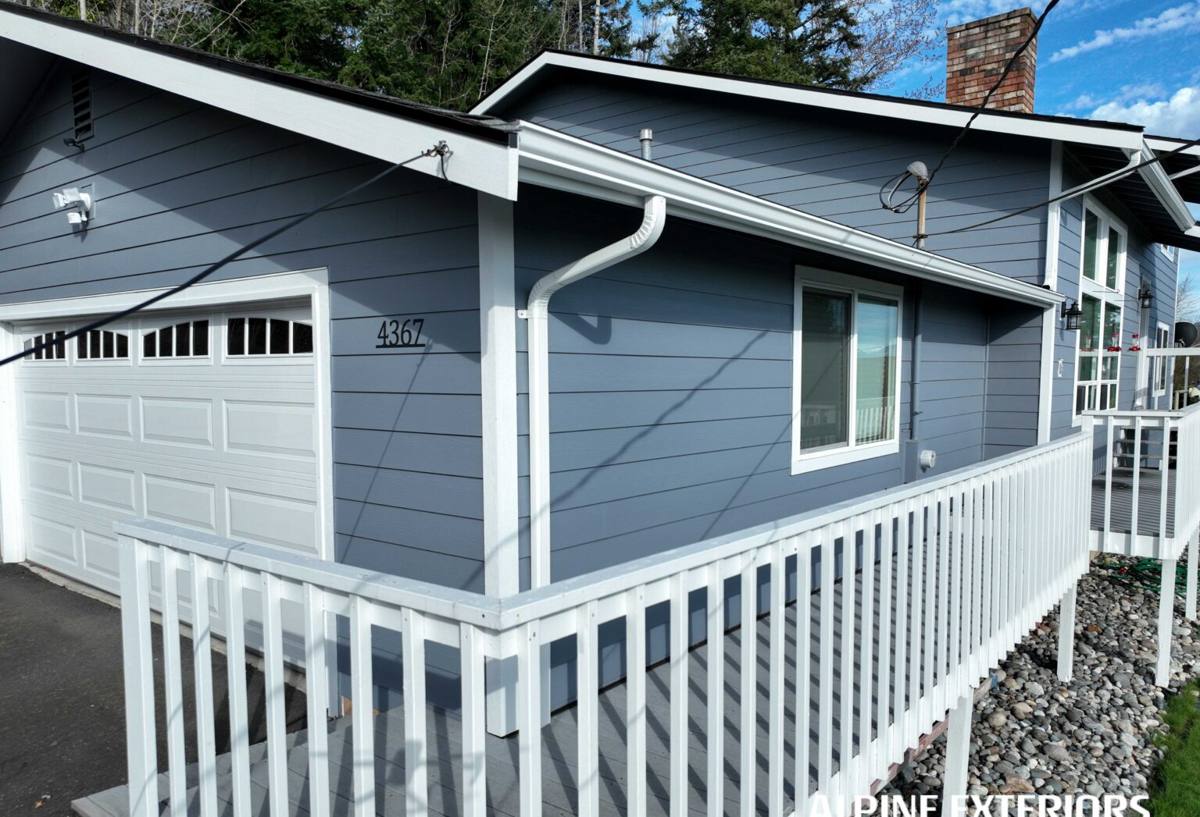
What the Coastal Environment Does to a Home
Salt Air and Corrosion
Salt air is corrosive to metal, and it doesn't take a direct ocean view for a home to be affected — Indian Rocks Beach properties are close enough to the Gulf that airborne salt reaches roofs, gutters, flashing, fasteners, and window hardware even on the Intracoastal side of the island. Over time, salt exposure accelerates rust on exposed metal components: roofing nails, flashing seams, gutter screws, and any hardware that isn't rated for coastal use. This is one of the biggest reasons product selection matters more here than in an inland neighborhood — using standard-grade fasteners or flashing on a beachside home just means replacing them sooner.
UV Exposure
Florida sun in general is hard on exterior materials, but a barrier island gets close to unobstructed sun exposure most of the year, without the tree canopy that shades a lot of inland lots. UV breaks down asphalt shingle granules, dries out sealants, and fades and embrittles vinyl and composite products faster than manufacturers' general climate ratings often assume. It's a slow, cumulative process — the kind of wear that doesn't show up as a leak until it's already been developing for years.
Wind and Wind-Driven Rain
Pinellas County sits in a high-velocity hurricane zone, and Indian Rocks Beach, being directly on the coast, is on the front line of that exposure. Wind uplift is the mechanism that causes most storm roof damage — it's not usually a single gust tearing a roof off, it's repeated pressure working at edges, ridges, and any spot where a shingle, panel, or flashing detail is even slightly compromised. Wind-driven rain adds a second problem: during a strong storm, rain doesn't just fall, it's pushed sideways and upward under normal roof and siding laps, which is why proper underlayment, flashing, and water-resistive barrier detailing matter as much as the visible surface material.
Humidity and Moisture Cycling
Between the salt air, the proximity to water, and Florida's humidity, exterior materials on the island go through more expansion-contraction and moisture cycling than materials in a drier climate. This affects how caulking, sealants, and wood or composite materials perform over time, and it's part of why we pay close attention to ventilation — a roof or wall assembly that can't dry out properly is a roof or wall assembly that fails early, regardless of how good the materials were on installation day.
Roofing for a Barrier Island Home
Roofing is usually the first thing homeowners think about when it comes to storm readiness, and for good reason — it's the system most directly exposed to wind uplift and wind-driven rain. For Indian Rocks Beach homes, we focus on a few things that matter more here than they would inland:
- Fastening patterns and underlayment rated for high-wind zones, not just minimum code for the county generally
- Corrosion-resistant flashing and fasteners at every penetration, edge, and valley
- Proper attic and roof deck ventilation to manage the humidity and heat this island holds onto
- Sealant and edge detailing that accounts for wind-driven rain, not just straight-down rainfall
We work with asphalt shingle, metal, and tile roofing systems, and which one makes sense for a given home depends on the roof structure, budget, and how the homeowner weighs upfront cost against long-term maintenance. We'll walk through the honest trade-offs of each rather than pushing one system as a default — a barrier island home doesn't need the most expensive roofing option to perform well, it needs the right system installed correctly for this specific environment.
Roofing Material Comparison for Coastal Pinellas County
| Material | Wind Performance | Salt Air Considerations | Typical Lifespan Range |
|---|---|---|---|
| Asphalt Shingle | Strong when installed with high-wind fastening and rated underlayment | Granule loss accelerated by UV and salt exposure; needs quality fasteners and flashing | 15-25 years, coastal environment |
| Standing Seam Metal | Excellent uplift resistance with proper clip and fastener spec | Requires marine-grade or coated fasteners and panels to resist corrosion | 30-50 years with correct hardware |
| Concrete/Clay Tile | Very good when fastened and underlaid to current wind codes | Tile itself is largely unaffected by salt; underlayment and flashing are the wear points | 30-50+ years, underlayment replaced sooner |
Siding That Holds Up to Salt and Sun
Siding on a beachside home does double duty — it's the weather barrier and it's also constantly exposed to the same salt and UV load as the roof, just at a different angle. We install and repair fiber cement and vinyl siding systems, and for Indian Rocks Beach specifically, a few details get extra attention:
Fiber cement holds paint and color well under heavy UV exposure and doesn't corrode, which makes it a strong fit for coastal work, though it does require properly rated fasteners and careful caulking at seams and penetrations to keep moisture out. Vinyl siding is a lower-maintenance, lower-cost option, but on a barrier island it needs to be a product rated for higher wind exposure, since standard vinyl can become brittle and crack sooner under this level of sun and salt than it would in a shaded inland yard. We'll talk through what's actually installed on a given home during an inspection, because siding condition often tells us as much about a house's exposure history as the roof does.
What We Check on a Siding Inspection
- Caulking and sealant condition at seams, corners, and window/door trim
- Fastener corrosion or popped/loose panels
- Signs of moisture intrusion behind the siding at the bottom courses and around penetrations
- UV fading, chalking, or brittleness in vinyl products
- Warping or delamination in fiber cement, usually tied to a caulking or flashing failure elsewhere
Windows: The Overlooked Weak Point in Coastal Homes
Windows take a beating on the coast in two ways — pressure during storms and constant thermal/UV stress the rest of the year. In a high-velocity hurricane zone like Pinellas County, impact-rated windows are worth serious consideration for a barrier island property, both for the storm protection and because they typically carry better wind-load ratings that reduce pressure stress on the surrounding framing and siding during high wind events. Impact glass isn't the only path to compliance — some homeowners pair standard windows with rated shutters — but for a beachside home, we generally walk clients through both routes honestly, including the maintenance and insurance trade-offs of each, rather than assuming one is automatically right.
Beyond storm performance, window seals and frames on the island degrade faster from UV and salt than they do a few miles inland. A window that's fogging between panes, sticking, or showing frame discoloration is usually a sign the seal has already failed — and a failed seal on a coastal home tends to let in more than just drafts, since wind-driven rain can find its way through a compromised seal during a storm.
Decks: Built for Sun, Salt, and Moisture
A lot of Indian Rocks Beach homes have outdoor living space that matters as much as the interior — decks, and covered or open porch areas that get heavy sun and salt exposure. Composite decking has become a popular choice here because it resists the moisture cycling and UV degradation that wears down wood far faster on the coast than inland. Wood decking can still be the right call for homeowners who prefer the look and are willing to keep up with sealing and maintenance, but on a barrier island, that maintenance schedule is tighter than it would be for a similar deck a few miles from the water — the sun and salt simply don't give wood much of a break.
Whichever material a homeowner chooses, the structural fasteners and ledger board connection matter just as much as the decking surface. This is where we see the most costly failures on older coastal decks — not the boards themselves, but corroded or undersized fasteners and connections that were never rated for this level of exposure in the first place.
Deck Material Trade-Offs
| Factor | Wood | Composite |
|---|---|---|
| Upfront Cost | Generally lower | Generally higher |
| Maintenance in Coastal Conditions | Regular sealing/staining needed, more frequent near salt air | Minimal; occasional cleaning |
| UV and Salt Resistance | Lower without consistent upkeep | Higher, by design |
| Structural Fasteners | Must be corrosion-rated regardless of material choice | Must be corrosion-rated regardless of material choice |
Why a Local Crew Matters Here
Roofing and exterior codes aren't uniform across Florida — wind zones, fastening requirements, and permitting details vary by jurisdiction, and Pinellas County's coastal areas are held to a higher wind-load standard than a lot of inland Florida counties. A crew that mostly works inland, or out of the area entirely, isn't necessarily going to default to barrier-island-appropriate materials and fastening schedules unless they're specifically thinking about it. We work throughout Clearwater and the surrounding Pinellas County coastline regularly, which means Indian Rocks Beach conditions aren't a special case for us — they're what we plan around by default.
There's also a practical, storm-season reason to work with a local company: when a named storm is approaching or has just passed, local crews are the ones who can respond quickly for both preparation and post-storm repair, without the added lag of travel time or unfamiliarity with the area's permitting process.
Our Process for Indian Rocks Beach Homes
- Inspection — We look at the full exterior envelope, not just the component the homeowner called about, since roofing, siding, and window issues on a coastal home are often connected.
- Honest assessment — We explain what we found, what's urgent versus what can be monitored, and the realistic material and cost options — not a one-size-fits-all recommendation.
- Written estimate — Clear scope, materials, and pricing before any work starts.
- Work performed to coastal wind-zone standards — Fastening, flashing, and sealant details appropriate for a barrier island property, not generic minimum-code work.
- Final walkthrough — We go over the completed work with the homeowner directly.
Simple Maintenance Checklist for Coastal Homeowners
- Rinse salt residue off siding, windows, and railings periodically — plain fresh water goes a long way
- Have roof flashing, fasteners, and sealant checked annually, not just after storms
- Watch for chalking, fading, or brittleness in vinyl siding and window trim as early warning signs
- Clean gutters and downspouts regularly so wind-driven rain has somewhere to go
- Reseal or restain wood decking on a tighter schedule than you would inland
- After any named storm, do a visual check for lifted shingles, loose panels, or new gaps around windows
If you own a home in Indian Rocks Beach and want a straight answer about the condition of your roof, siding, windows, or deck, we're glad to come take a look. Use the form below to request a free, no-pressure estimate — we'll walk the property with you and explain exactly what we see.