 Clearwater Roofing
 Roofing in Downtown Clearwater: What the Climate Actually Does to Your Roof
Downtown Clearwater sits close enough to the Gulf and to Old Tampa Bay that homes here take on a mix of coastal stresses most inland Florida properties never see. Salt-laden air moves through the neighborhood on the prevailing onshore breeze, settling on shingles, flashing, and fasteners. Add in the intense, near year-round UV exposure of Pinellas County, seasonal wind-driven rain, and the real possibility of hurricane-force gusts during storm season, and you have a combination that wears down roofing systems faster than the manufacturer's glossy brochure suggests. A roof that might last three decades in a drier, cooler climate is often working on borrowed time here by year eighteen or twenty if it wasn't installed with these conditions in mind.
We're a local crew that works Clearwater and the surrounding Pinellas County communities every week, not a crew that flies in after a storm. That matters because roofing problems here rarely look the way they do in textbooks written for other regions — a roof can look fine from the street and still be failing at the fastener level from years of salt exposure and thermal cycling.
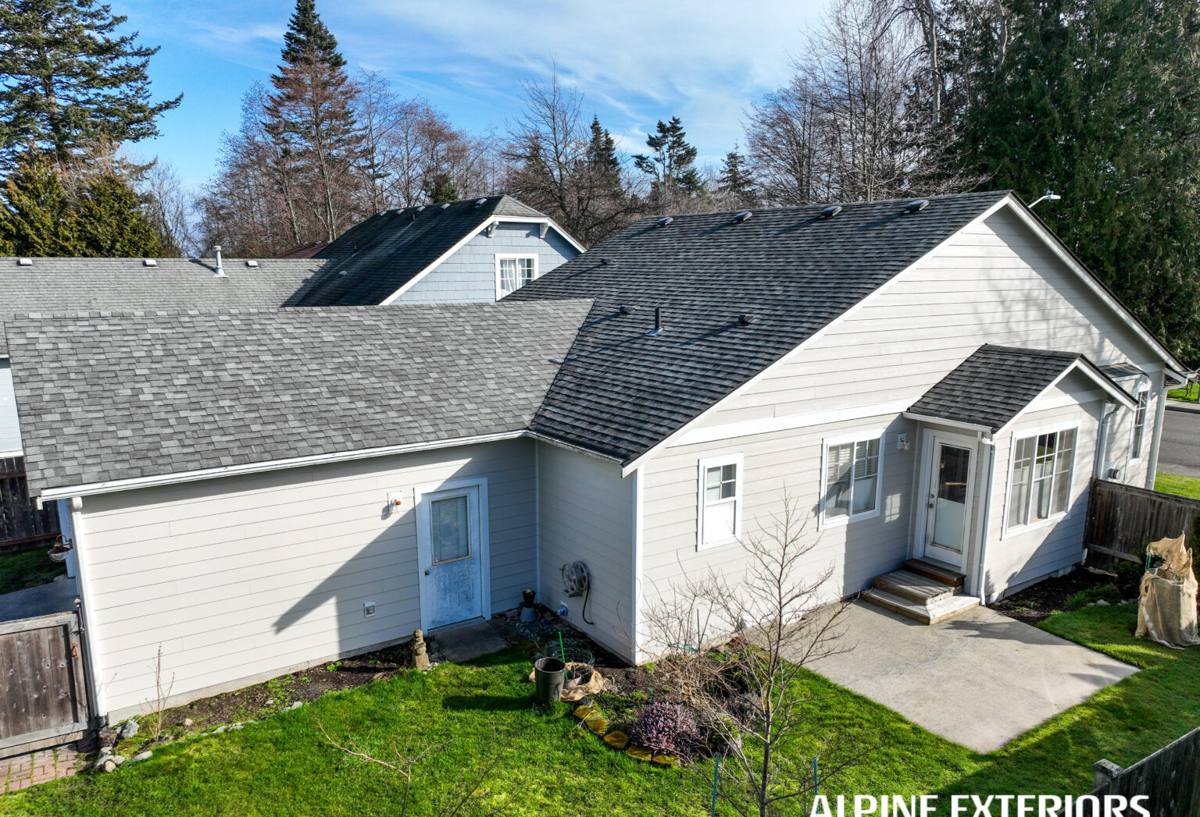
How Downtown Clearwater's Location Shapes Roofing Decisions
Downtown Clearwater's mix of older bungalows, mid-century homes, and newer infill construction means we see a wide range of roofing ages and original installation quality. A few things are consistent across almost all of it:
- UV degradation is constant, not seasonal. Florida sun breaks down asphalt shingle granules and softens sealants year-round, which is different from northern climates where UV damage is concentrated in a few summer months.
- Salt air accelerates corrosion. Exposed nail heads, drip edge, flashing, and vent boots corrode faster near the coast, which is often where a roof starts leaking long before the shingles themselves look worn out.
- Wind-driven rain finds weak points. Even without a hurricane, Clearwater's storms push rain sideways under shingle edges and around penetrations, so proper underlayment and flashing detail matter more here than in calmer climates.
- Hurricane-force wind events are a real design load, not a hypothetical. Florida Building Code requirements for wind resistance in Pinellas County reflect that, and we install to meet or exceed those requirements.
None of this means Downtown Clearwater is a uniquely difficult place to keep a roof over your head — it means the details of material choice, fastening, and flashing carry more weight here than in most parts of the country, and cutting corners shows up sooner rather than later.
Roof Age and What to Watch For
If your roof is original to the home and the home was built more than fifteen years ago, it's worth having someone look at it even if you haven't noticed a leak. Common early warning signs in this climate include granule loss showing up in gutters, shingle edges that look curled or lifted, dark streaking (often algae, which thrives in humid coastal air), and soft spots on the deck felt from the attic side. None of these mean an immediate replacement is required, but they're worth a professional look before the next storm season rather than after a leak appears.
Roofing Services We Provide
Roof Repair
Most repair calls we get are from wind damage after a storm, isolated leaks around flashing or vent penetrations, or shingles that have aged out in specific sections — often on the sides of the roof that take the most direct sun and salt exposure. We repair what can be repaired and tell you honestly when a section or the whole roof is past the point where patching makes sense.
Roof Replacement
When a full replacement is the right call, we walk through material options, expected lifespan for this climate, and cost trade-offs before any work starts. A replacement is also the point where deck condition, ventilation, and flashing details get corrected — not just covered over with new shingles.
Roof Inspections and Maintenance
A yearly or post-storm inspection catches small problems — a lifted shingle, a cracked pipe boot, a nail backing out — before they become water intrusion into the attic or interior. This is the single most cost-effective thing a homeowner can do to extend roof life in a coastal climate.
Storm Damage Assessment
After high wind events, we check for the damage that isn't obvious from the ground: lifted shingle tabs, compromised seals, and flashing that's been worked loose. We document what we find so you have a clear record, whether or not you end up filing an insurance claim.
Material Options and How They Hold Up Locally
| Material | Typical Lifespan Here | Local Considerations |
|---|---|---|
| Architectural asphalt shingle | 18-25 years | Good value; look for high wind-rated products given hurricane exposure |
| Metal roofing (standing seam) | 40-50+ years | Excellent wind and UV resistance; higher upfront cost, lower long-term maintenance |
| Tile (concrete or clay) | 40-50+ years | Common in this region, heavy, requires structural compatibility and skilled installation of underlayment |
| Flat/low-slope membrane (TPO, modified bitumen) | 15-25 years | Used on additions, porches, or flat sections; seam quality is critical in wind-driven rain |
We don't push a single material as the answer for every home. The right choice depends on your roof's slope and structure, your budget, and how long you plan to stay in the home. We'll give you our honest read on trade-offs — including why we recommend certain fastening patterns and underlayment upgrades for coastal wind exposure — rather than steering you toward whatever is easiest to install.
Why Fastener and Flashing Detail Matters More Here
A roof's weakest points are almost never the shingles themselves — they're the edges, penetrations, and fasteners. In a climate with hurricane-force wind potential and constant salt air, we pay particular attention to:
- Corrosion-resistant fasteners and flashing rated for coastal exposure
- Proper nailing patterns that meet Florida Building Code wind uplift requirements for this area
- Sealed and reinforced roof-to-wall and valley flashing, where wind-driven rain most often finds a way in
- Ventilation that lets the attic breathe without creating a path for wind-driven rain intrusion
These details don't show up in a driveway estimate glance, but they're the difference between a roof that performs through a decade of Gulf coast weather and one that starts leaking after the first serious storm.
Beyond the Roof: Siding, Windows, and Decks
Roofs rarely fail in isolation. Salt air and sun exposure that wear down shingles also affect siding, window seals, and exterior wood or composite decking on the same timeline. We handle all four — roofing, siding, windows, and decks — which means when we're on your roof we can flag related issues (a soffit that's letting moisture into the attic, a window seal that's failed, decking fasteners showing corrosion) instead of only looking at the one thing we were called for. If you're planning a larger exterior project, having one contractor coordinate roofing with siding or window replacement usually saves time and avoids the finger-pointing that happens when separate crews' work overlaps.
What to Expect When You Call Us
- A straightforward phone or on-site conversation about what you're seeing or concerned about
- An in-person inspection, including attic access where relevant, not just a look from the ground
- A written estimate that explains the scope, materials, and reasoning — not just a total
- Clear timeline expectations, including how weather (a real factor in Florida storm season) might affect scheduling
- A cleanup and final walkthrough once the work is done
Questions Worth Asking Any Roofing Contractor in This Area
- Are you licensed and insured to work in Pinellas County?
- What wind rating do your shingles or materials carry, and does that meet local code for this area?
- What underlayment and flashing details do you use for coastal wind-driven rain?
- What's covered under workmanship warranty versus manufacturer material warranty?
- Can you provide references from other work in the Clearwater area?
A local crew should be able to answer all of these without hesitation. If a contractor is vague about licensing, wind ratings, or warranty terms, that's worth treating as a red flag before any contract is signed.
Working With a Local Crew
There's a practical reason local experience matters for roofing in this specific area: a contractor who works Downtown Clearwater and greater Pinellas County regularly has already seen how roofs in this neighborhood age, which materials hold up against the salt air, and what Florida Building Code actually requires for wind resistance here — not just in general. That local track record shows up in fewer surprises during the job and a roof that's built for the conditions it will actually face, not generic conditions from a national playbook.
If you're dealing with a leak, storm damage, or simply want an honest read on how much life is left in your current roof, we're happy to take a look. Reach out for a free, no-pressure estimate using the form below — we'll give you a straight answer about what your roof needs and what it doesn't.