 Clearwater Roofing
 Exterior Work in Countryside, Clearwater
Countryside is one of Clearwater's larger inland residential areas, built out mostly from the 1970s through the 1990s around Countryside Mall and the McMullen Booth Road corridor. That means a lot of the roofs, siding, and windows in the neighborhood are original or on their second replacement cycle, and a lot of homeowners are hitting the point where they need to make real decisions about what to repair versus what to replace. We work on homes throughout this part of Clearwater and Pinellas County, and we see the same patterns come up again and again: aging asphalt shingle roofs past their service life, chalky or cracked siding, and single-pane windows that never should have made it this long in a Florida sun.
Being inland rather than directly on the coast doesn't exempt Countryside from the weather that defines exterior work in this part of Florida. Hurricane-force wind events, intense year-round UV exposure, wind-driven rain, and salt-laden air moving in off Tampa Bay and the Gulf all reach this neighborhood and all take a toll on roofs, siding, windows, and decks over time.
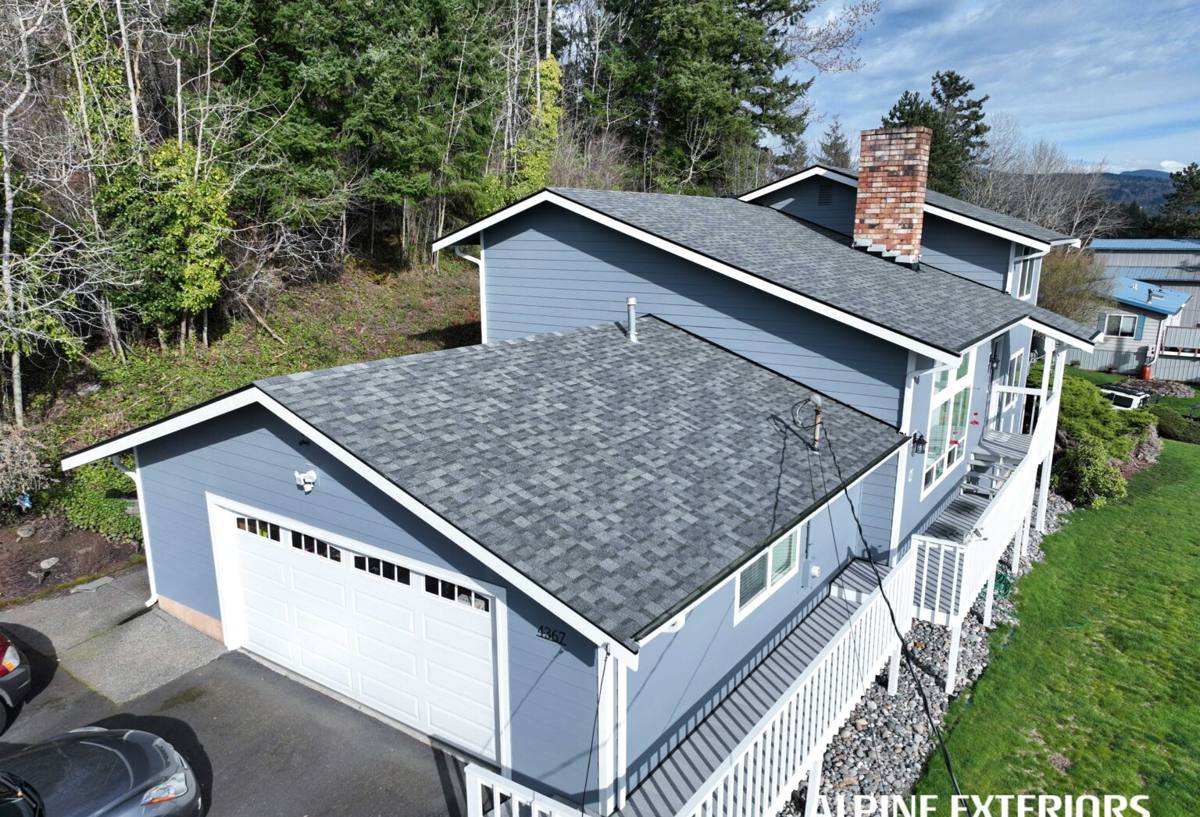
What the Climate Actually Does to Countryside Homes
Wind and Storms
Countryside sits far enough inland that it's spared some of the direct storm surge risk that coastal Clearwater neighborhoods deal with, but wind doesn't care about that distance. Straight-line winds from summer storms and the outer bands of tropical systems put uplift pressure on roof edges, ridge caps, and any siding or trim that's already loose or aging. Older three-tab shingle roofs and older nail patterns are the most common failure points we find after a wind event.
UV Exposure
Florida sun is relentless, and it doesn't take a hurricane to do damage. Day-in, day-out UV exposure breaks down asphalt shingle oils, fades and chalks vinyl and fiber cement siding, and degrades window seals and frame materials faster than in most of the country. A roof or a set of windows rated for a 20-25 year lifespan elsewhere in the U.S. often shows real wear here well before that mark.
Wind-Driven Rain
Rain that comes in sideways during a storm finds every weak point in a building envelope — lifted shingles, gaps in flashing, worn window seals, siding seams that have opened up. In an inland neighborhood like Countryside, this is usually a slower, more insidious problem than storm surge: water intrusion that shows up as a stain on a ceiling or a soft spot on a deck months after the storm that actually caused it.
Salt Air
Clearwater's proximity to the Gulf means salt air travels farther inland than people expect, and it accelerates corrosion on fasteners, flashing, gutters, and any exposed metal components on a roof or deck. It's a slower process in Countryside than it is a few miles west on the beaches, but over a 15-20 year window it's still a factor in how long materials actually last.
Roofing Services for Countryside
Most of the roof work we do in this neighborhood falls into a few categories: full replacements on roofs that have aged out, storm-damage repairs after wind events, and smaller repairs on flashing, vents, and valleys where leaks tend to start. We install and repair asphalt shingle, metal, and tile roofing, and we'll give you a straight answer about whether your roof needs a full replacement or whether a targeted repair buys you several more years.
- Full roof replacements (shingle, metal, tile)
- Storm and wind damage repair
- Roof inspections for insurance, real estate transactions, or general peace of mind
- Flashing, vent, and valley repair — the most common leak points on older roofs
- Gutter and drip edge work tied into the roofing system
For a hurricane-prone county like Pinellas, we pay close attention to nailing patterns, underlayment quality, and edge/ridge detailing, since those are the details that separate a roof that holds up in a wind event from one that doesn't.
Siding for Florida Sun and Storm Cycles
Siding in Countryside has to do two jobs at once: look good under constant sun exposure and keep wind-driven rain out of the wall assembly behind it. We install and repair vinyl and fiber cement siding, and we're upfront about the trade-offs between them. Fiber cement costs more up front and takes more installation skill to get right, but it holds paint and resists impact better over time. Vinyl is more affordable and low-maintenance, but lower-grade products can warp or fade faster under sustained Florida UV. We'll walk you through which option fits your budget and how long you plan to stay in the home, rather than pushing one product regardless of the situation.
We also handle siding repair where storm damage or age has caused cracking, warping, or gaps — often paired with a look at the house wrap or moisture barrier behind it, since siding failures are frequently a symptom of a moisture problem, not just a cosmetic issue.
Windows: Comfort, Energy Costs, and Storm Protection
A lot of the original windows in older Countryside homes are single-pane aluminum-frame units that were never built for today's energy costs or storm standards. Replacing them is one of the most noticeable upgrades a homeowner can make — both in monthly utility bills and in how a house holds up during wind events. We install impact and energy-efficient window systems, and depending on your home's exposure and your insurance situation, impact-rated glass can also reduce the need for separate shutters or panels during storm season.
Window seals are one of the first things to fail under sustained Florida sun, so even homes with newer-looking windows can have real air and water infiltration if the seals have degraded. We check seal condition as part of any window consultation, not just glass and frame condition.
Decks Built for Humidity and Sun
Outdoor living is a year-round thing in Clearwater, and decks in this climate face a specific combination of stress: constant humidity, intense UV, and regular rain cycles that most decking materials elsewhere in the country don't have to handle. Wood decks need consistent sealing and maintenance to avoid rot and UV graying. Composite decking costs more initially but holds up with far less maintenance over time. We build and repair both, and we'll tell you honestly what kind of upkeep each option actually requires before you commit to one.
Comparing Common Exterior Materials for This Climate
| Material | Sun/UV Resistance | Wind Performance | Maintenance |
|---|---|---|---|
| Asphalt shingle roofing | Moderate — oils break down over time | Good with proper nailing and underlayment | Low, periodic inspection |
| Metal roofing | Excellent | Very good, especially standing seam | Low |
| Vinyl siding | Fair to good, varies by grade | Good when properly fastened | Low |
| Fiber cement siding | Excellent | Very good | Moderate — periodic paint upkeep |
| Wood decking | Fair, needs sealing | Good structurally | High — annual sealing recommended |
| Composite decking | Very good | Good structurally | Low |
These are general patterns, not guarantees — actual performance depends heavily on installation quality, product grade, and how exposed a given part of the home is to sun and wind. That's why an in-person look at your specific house matters more than any general chart.
Why a Local Clearwater Crew Matters
Pinellas County has its own permitting requirements, wind-load standards, and building code details tied to hurricane risk, and those requirements are not identical to what you'd find inland in Florida or in another state entirely. A crew that works this county regularly knows what inspectors are looking for, what products actually hold up locally, and how to sequence work around Florida's rainy season instead of getting caught mid-project by an afternoon storm. That local knowledge shows up in details — flashing choices, fastener spacing, how a roof or siding job is sequenced — that aren't obvious from a spec sheet.
It also matters after the job is done. A local company is the one that's still around and reachable if a question comes up three years later, not a crew that worked the area for one storm season and moved on.
Maintenance Checklist for Countryside Homeowners
- Inspect the roof after any major wind event, even if you don't see obvious damage from the ground
- Clean gutters at least twice a year to prevent water backing up under roofing and siding
- Check window and door seals annually for cracking or gaps
- Look at siding for chalking, cracking, or warping, especially on sun-exposed sides of the house
- Reseal wood decking annually; check composite decking for staining or fastener issues
- Have a roof inspection done before hurricane season and before any insurance renewal
Getting Started
Whether you're dealing with a roof that's showing its age, siding that's cracked or faded, windows that are driving up your energy bills, or a deck that needs attention before it becomes a safety issue, the first step is the same: an honest, in-person look at what's actually going on. We're happy to walk your property in Countryside, tell you what we see, and give you options — not a one-size-fits-all pitch. If you'd like a free, no-pressure estimate, fill out the form below and we'll get in touch.