 Clearwater Roofing
 Windows Built for the Countryside Climate
Countryside sits inland from the immediate coastline, but that doesn't mean the neighborhood escapes what Pinellas County weather does to a home's windows. Between the long, intense cooling season, near-constant UV exposure, wind-driven rain during summer storms, and the salt-tinged humidity that reaches even a few miles inland, window components take a steady beating year-round. Frames warp, seals fail, glass fogs between panes, and older single-pane units simply can't keep up with the demands of a Florida cooling bill. Energy-efficient window replacement in Countryside isn't a cosmetic upgrade — it's a practical response to a specific climate, and the right installation makes a measurable difference in comfort and utility costs.
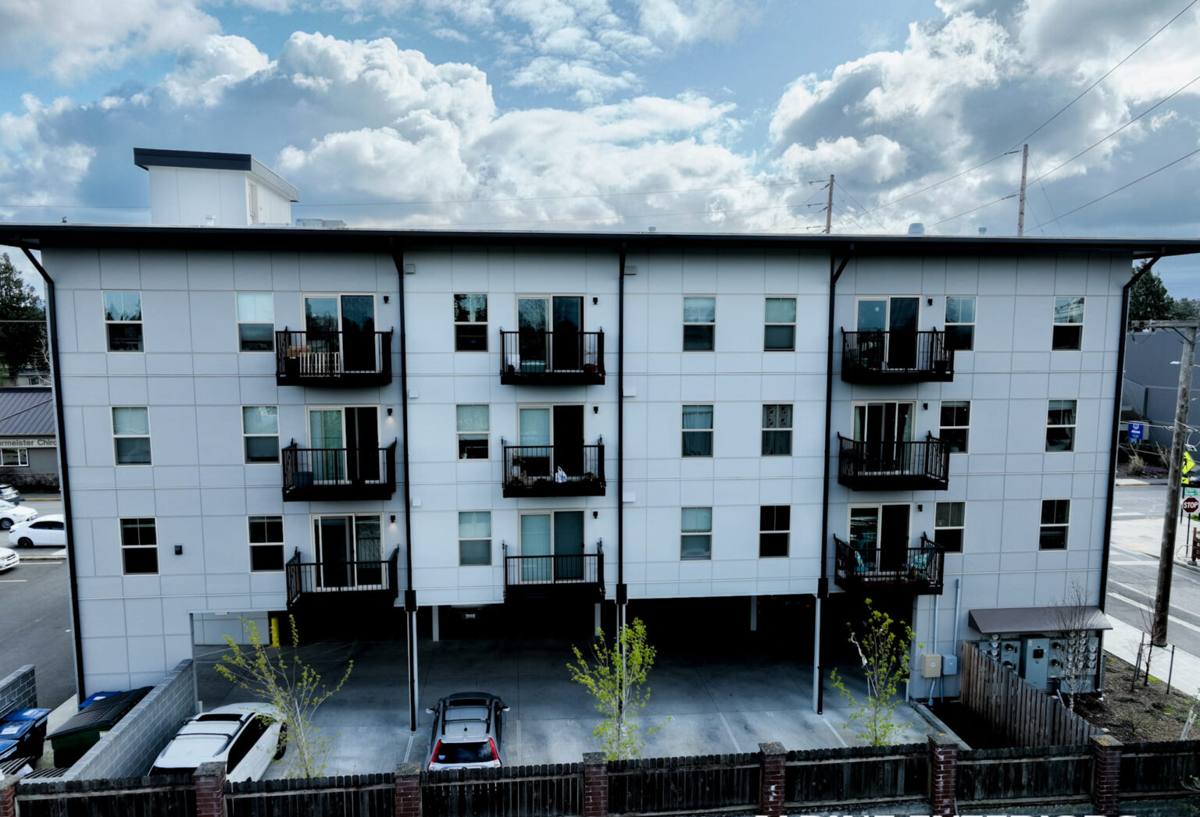
Why Countryside Homes Are Good Candidates for Replacement
A lot of homes in this part of Clearwater were built during periods when window technology and Florida Building Code requirements were very different from today's standards. Original aluminum-frame single-pane windows are still common in older Countryside neighborhoods, and even homes that had windows replaced 15-20 years ago may be due for another look, since window seals, low-E coatings, and gas fills all have a working lifespan.
Common Signs It's Time
- Glass that feels hot to the touch on the interior side during afternoon sun
- Visible fogging or a milky haze between double-pane glass (a sign the seal has failed)
- Windows that are difficult to open, close, or lock properly
- Noticeable drafts or air movement around the frame even when closed
- Rooms near west- or south-facing windows that run noticeably warmer than the rest of the house
- Rising cooling costs without a clear cause elsewhere in the home
- Frame discoloration, chalking, or soft spots from UV and moisture exposure
What "Energy-Efficient" Actually Means Here
Energy-efficient windows aren't a single product — the term covers a combination of glass, frame, and installation choices that work together to reduce heat transfer. For a Clearwater home, the priorities are slightly different than they'd be in a cooler, drier climate.
Glass and Coatings
Low-emissivity (low-E) coatings are the baseline for any energy-efficient window in this region. They're a microscopically thin, virtually invisible layer that reflects infrared heat while still letting visible light through, which matters in a climate where the main job of the window is keeping outside heat out, not keeping inside heat in. Insulated (double-pane) glass with an inert gas fill between the panes — typically argon — adds another layer of thermal resistance. For rooms with heavy afternoon sun exposure, a higher-performance low-E coating tuned for solar heat gain reduction is usually worth the difference in comfort.
Frame Material
Vinyl and fiberglass frames handle Florida's UV and humidity better than bare aluminum, which conducts heat directly and can pit or corrode faster in salt-influenced air. Vinyl is the most common choice for straightforward replacements because it doesn't require painting, resists moisture damage, and holds up well against sun exposure over time. Fiberglass costs more but offers additional structural rigidity, which can matter for larger openings.
Impact Rating
Because Countryside falls within Pinellas County's wind-borne debris region, replacement windows generally need to meet Florida Building Code impact standards — either impact-rated glass or an approved protective system. Impact-rated windows carry the added benefit of a thicker laminated glass assembly, which also improves sound dampening and, in most cases, energy performance, since the extra glass layer adds thermal mass.
Comparing Window Types for This Climate
| Window Type | Energy Performance | Storm Durability | Maintenance |
|---|---|---|---|
| Aluminum, single-pane (older builds) | Poor — high heat transfer | Low unless separately protected | Prone to corrosion near coast |
| Vinyl, double-pane low-E | Strong for the cost | Good with impact glass option | Low — no painting, resists moisture |
| Fiberglass, double-pane low-E | Strong, slightly better structural stability | Very good | Low, higher upfront cost |
| Impact-rated laminated glass | Good to strong depending on coating | Excellent — code-compliant | Low |
What a Correct Installation Involves
The window unit itself is only part of the equation — a well-made window installed poorly will still leak air, let in moisture, and underperform on energy bills. In this climate, installation quality matters as much as the product.
Our Process
- On-site assessment — we measure each opening individually, since older homes rarely have perfectly uniform framing, and check for existing water intrusion or wood rot around the frame.
- Removal of the old unit — done carefully to avoid damaging stucco, siding, or interior trim, with the opening inspected before the new window goes in.
- Flashing and moisture barrier work — this is the step that gets skipped by rushed installers and causes problems years later. Proper flashing keeps wind-driven rain from tracking behind the frame into the wall cavity.
- Setting and leveling the window — shimmed and squared so the sash operates smoothly and the seal performs as designed.
- Sealing and insulating the gap — low-expansion foam or backer rod and sealant around the perimeter, sized correctly so it doesn't bow the frame.
- Exterior and interior finish work — trim, caulking, and paint-matching so the finished opening looks intentional, not patched.
- Final function and seal check — every window is operated and checked before we consider the job done.
Why Installation Sensitivity Is a Bigger Deal in Florida
Wind-driven rain doesn't need a big gap to find its way behind a window frame — a thin, improperly sealed flashing detail is enough. Combined with our humidity levels, moisture that gets behind a frame doesn't dry out quickly, which is how hidden wood rot and mold problems start. This is also why we don't cut corners on flashing and moisture barrier detail even when it adds time to the job — it's the part of the installation nobody sees once the trim goes back on, but it's the part that determines whether the window performs for fifteen years or fails in three.
Cost Factors Homeowners Should Understand
We don't publish blanket per-window pricing because too many variables affect the real number, but homeowners should understand what actually drives cost so an estimate makes sense.
| Factor | Why It Matters |
|---|---|
| Frame material | Vinyl is generally more budget-friendly than fiberglass; both cost more than replacing aluminum with aluminum |
| Impact rating | Impact-rated glass costs more upfront but may reduce or eliminate the need for separate storm protection |
| Window size and opening condition | Non-standard sizes or openings needing structural repair add labor time |
| Number of windows | Whole-home replacement typically brings a better per-unit cost than one-off replacements |
| Existing damage | Wood rot, stucco cracking, or prior water intrusion found during removal adds repair scope |
Energy Savings: What's Realistic
We won't quote a specific percentage savings figure, because it depends heavily on the home's current windows, insulation, orientation, and how the HVAC system is running. What we can say plainly: replacing old single-pane aluminum windows with a modern low-E, insulated, properly sealed system is one of the more reliable ways to reduce solar heat gain in rooms that get direct afternoon sun — which in Countryside often means west-facing living rooms and bedrooms. The bigger, more immediate change most homeowners notice isn't the utility bill line item, it's comfort: fewer hot spots, less strain on the AC to keep up, and a quieter interior.
Why Local Installation Experience Matters
A crew that regularly works in Clearwater and the surrounding Pinellas County area understands things a traveling or out-of-area installer often doesn't: what stucco and framing conditions are common in Countryside's housing stock, how local wind-borne debris code requirements apply to a given opening, and how to sequence a job around Florida's afternoon storm pattern so openings aren't left exposed. Familiarity with the area also means we've seen how different products and installation methods hold up over time in this specific climate, not just in a showroom or a manufacturer's spec sheet.
What to Check Before Hiring Anyone for Window Work
- Proper licensing and insurance for window and construction work in Florida
- Familiarity with Pinellas County permitting and wind-borne debris code requirements
- A clear, written scope of work — not just a product quote
- Manufacturer warranty documentation separate from the installer's workmanship warranty
- Willingness to explain flashing and sealing details, not just glass and frame specs
Maintenance After Installation
Energy-efficient windows are lower-maintenance than older aluminum units, but they aren't maintenance-free in this climate. Rinsing frames periodically helps prevent salt and pollutant buildup from settling into seals and hardware. Checking weep holes (the small drainage openings at the base of the frame) to make sure they're clear keeps water from pooling during heavy rain. And keeping an eye on caulking and sealant lines each year, especially after storm season, catches small gaps before they turn into moisture problems.
If your Countryside home has windows that feel hot to the touch, fog between the panes, or just aren't keeping up with Florida's heat anymore, we're happy to take a look. Reach out for a free, no-pressure estimate — we'll walk the property, answer questions honestly, and give you a clear picture of what's involved before any commitment is made.