 Clearwater Roofing
 Dunedin's Exterior Climate Challenge
Dunedin sits on the Pinellas County coastline along the Gulf of Mexico, close enough to open water that salt air, causeway winds, and storm exposure shape the way homes age here differently than they do just a few miles inland. Homeowners in Dunedin deal with a specific combination of stressors: hurricane-force winds during storm season, intense year-round UV that doesn't let up even in the cooler months, wind-driven rain that finds its way into gaps other climates never test, and a steady drift of salt-laden air that accelerates corrosion on anything metal. None of these problems are unique to any one house, but they compound over the years, and they show up first on the exterior — the roof, the siding, the windows, and any deck or outdoor structure exposed to the elements.
Working roofing services, siding, windows, and decks in this area day in and day out gives a local crew a feel for which materials, fasteners, and installation details actually hold up here versus which ones look fine on paper but fail early under Gulf Coast conditions. That's the lens we bring to every Dunedin home we work on.
Roofing: What Actually Holds Up on the Gulf Coast
A roof in Dunedin is doing more work than a roof almost anywhere inland. Beyond shedding rain, it has to resist uplift from sustained coastal winds, tolerate near-constant UV exposure that breaks down asphalt oils and degrades sealants faster than manufacturer estimates often assume, and shrug off wind-driven rain that can push moisture sideways and upward under standard shingle laps if the underlayment and flashing details aren't right.
Wind Rating and Uplift
Florida Building Code requirements for wind resistance are stricter here than in most of the country, and Pinellas County's proximity to open water means we don't treat the code minimum as the finish line. Proper nailing patterns, starter strip placement, and ridge cap fastening matter more in Dunedin than they would in a low-wind region — a shortcut that never causes a problem in Ohio can peel a roof edge here in the first serious blow.
UV and Material Fatigue
Sun exposure in this area is essentially year-round, not seasonal. Asphalt shingles lose plasticizing oils faster under sustained Florida UV, which is why granule loss and early brittleness show up sooner on roofs that weren't matched to local conditions. Metal roofing handles UV well but needs the right coating system to resist chalking and fading near the coast.
Wind-Driven Rain and Flashing
Most roof leaks we find in this area don't start with a failed shingle — they start with flashing: around chimneys, skylights, wall-to-roof transitions, and low-slope sections where wind can drive rain uphill under standard laps. A roof that's watertight in a straight-down rain can still leak badly in a sideways coastal storm if the flashing details weren't built for that.
Siding, Windows, and Doors: Sealing Out the Wind-Driven Rain
The same wind-driven rain that stresses roofs also tests siding, window, and door installations. Water doesn't need a big gap to get in — it needs a pressure differential and a path, and coastal wind gusts create both. This is why installation quality matters as much as product choice for siding, windows, and doors in Dunedin.
Siding Considerations
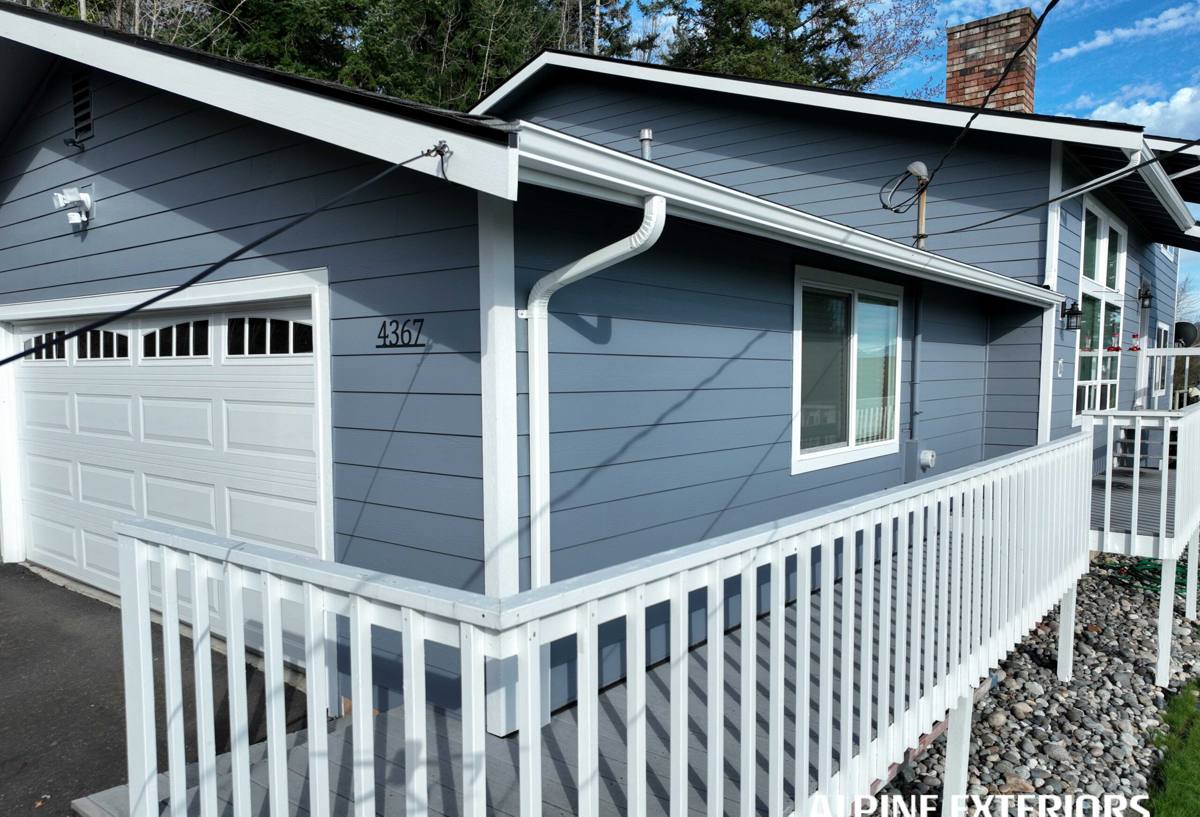
Fiber cement and quality vinyl siding both perform well here when installed with proper house wrap, flashing tape at seams and penetrations, and correct fastening for wind zones. We size fastener schedules and panel gapping to the wind exposure of the specific home rather than defaulting to a one-size approach, since a home closer to open water needs a tighter installation standard than one set back and shielded by other structures or tree cover.
Windows and Doors
Impact-rated or code-compliant wind-rated windows are worth the upgrade in this area, both for storm protection and for the tighter seals they typically offer against wind-driven rain in everyday weather, not just named storms. Door thresholds and sweeps also matter more here — a gap that's a minor draft issue inland can be a real water intrusion point during a Gulf storm with sustained onshore wind.
Salt Air and Metal Components
Hardware, fasteners, and flashing metal all corrode faster in salt air. We favor corrosion-resistant fastener grades and flashing materials for Dunedin homes rather than the standard-grade hardware that's fine further inland — the cost difference is modest, and the service-life difference is significant.
Decks: Outdoor Living That Survives the Salt Air
Dunedin's climate is a big part of why people live here, and a deck or outdoor living space is often exactly what a homeowner wants to get the most out of that. But an uncovered deck near the coast is one of the hardest-working structures on a property — full sun exposure, regular rain, and salt air all at once.
- Composite decking resists moisture absorption and UV fading better than untreated wood, with less ongoing maintenance over time
- Pressure-treated wood costs less up front but needs more frequent sealing and inspection in this climate to avoid warping and fastener corrosion
- Stainless or coated coastal-grade fasteners matter more here — standard hardware can streak and weaken faster in salt air
- Proper board spacing and ventilation underneath reduce moisture trapping, which matters in Florida's humidity as much as its rain
- Railings and structural connections should be checked for corrosion and looseness at least once a year on coastal-exposed decks
Whichever material a homeowner chooses, the framing, fastening, and ledger attachment underneath matter as much as the decking surface itself — that's where structural failures actually start.
Comparing Roofing Materials for Dunedin Homes
There's no single "best" roofing material for every Dunedin home — the right choice depends on budget, how long the homeowner plans to stay, and how exposed the property is to direct coastal wind and salt.
| Material | Wind Performance | UV/Salt Durability | Typical Lifespan |
|---|---|---|---|
| Architectural asphalt shingle | Good with proper installation and rated wind class | Moderate — UV shortens lifespan versus cooler climates | 15-25 years |
| Standing seam metal | Excellent uplift resistance | Very good with coastal-rated coating | 40-60 years |
| Concrete/clay tile | Excellent when properly fastened | Very good, minimal UV degradation | 40-50+ years |
| Flat/low-slope membrane | Good with proper edge detailing | Depends on membrane type and coating | 15-25 years |
Cost, weight (some tile systems require structural verification on older homes), and aesthetic preference all factor into which of these makes sense for a given roof — we walk through the trade-offs honestly rather than pushing whatever has the best margin.
What Drives Cost on an Exterior Project
Homeowners understandably want a ballpark before committing to an estimate visit. The honest answer is that exterior project costs in Dunedin vary based on a handful of concrete factors rather than a flat per-square-foot number.
| Factor | Why It Matters |
|---|---|
| Roof/wall complexity | More valleys, dormers, or transitions mean more flashing detail and labor |
| Current condition | Hidden deck rot, sheathing damage, or old flashing failures add scope once uncovered |
| Material tier chosen | Basic asphalt versus metal or tile changes both material and labor cost significantly |
| Wind exposure of the lot | Homes closer to open water may warrant upgraded fastening and flashing specs |
| Access and site conditions | Tight lots, tree cover, or multi-story sections affect labor time |
We provide a written, itemized estimate before any work starts, so homeowners can see exactly what's driving the number rather than a vague lump sum.
A Practical Maintenance Rhythm for This Climate
Because of the UV, wind, and salt exposure here, exterior maintenance in Dunedin should happen a bit more often than generic national guidance suggests.
- Visual roof inspection twice a year and after any significant storm, checking for lifted shingles, damaged flashing, or granule loss
- Gutter cleaning on a regular schedule to prevent water backing up under roof edges during heavy rain
- Siding and trim caulk/sealant check annually, since UV breaks down sealants faster here than in milder climates
- Window and door weatherstripping check before storm season, catching wear before it becomes a leak point
- Deck hardware and fastener inspection annually, watching for corrosion from salt air
- Rinsing salt residue off exterior surfaces periodically if the home is close to open water
None of this requires a contractor visit every time — some of it is simple homeowner upkeep. But knowing what to look for, and catching small issues before a named storm tests them, is what actually extends the life of a roof, siding job, window installation, or deck in this environment.
Why a Local Crew Matters in Dunedin
Roofing, siding, window, and deck work isn't identical from one Florida city to the next, and it's certainly not identical to work done inland or up north. A crew that works Pinellas County regularly knows the local wind exposure patterns, the way salt air behaves on different streets depending on distance from the water, and which flashing and fastening details actually get tested by real Gulf Coast weather rather than just meeting code on paper. That local knowledge shows up in the small decisions — fastener grade, flashing lap direction, sealant choice — that separate an exterior that holds up through hurricane season after hurricane season from one that needs repairs after the first serious storm.
We also know that permitting, wind-load documentation, and inspection expectations in this county have specifics worth getting right the first time, so homeowners aren't dealing with rework or insurance headaches later.
Get a Straightforward, No-Pressure Estimate
Whether it's a roof nearing the end of its service life, siding that's showing UV wear, windows that let in more wind-driven rain than they should, or a deck that needs to be built to actually last near the coast, we're glad to take a look and give a straight answer about condition, options, and realistic cost. Use the form below to request a free estimate for your Dunedin property — no pressure, no obligation.