 Clearwater Roofing
 Siding Built for Dunedin's Coastal Conditions
Dunedin sits close enough to the Gulf that salt air, humidity, and wind-driven rain are part of daily life for every home in the area, whether you're a few blocks from the water or further inland toward US-19. Add in Pinellas County's hurricane exposure and near-constant UV load, and siding here has to do more work than siding almost anywhere else in the country. It's not just a cosmetic layer — it's the first line of defense against water intrusion, wind uplift, and sun degradation, all at once, year after year.
A lot of siding problems we see in this area aren't caused by bad products. They're caused by installations that weren't detailed for this climate — gaps in flashing, fastening patterns that were fine for a milder region, or trim work that never accounted for how much a Florida sun bakes a south- or west-facing wall. Getting Dunedin siding installation right means respecting what the coast actually does to a house, not just following a generic install manual.
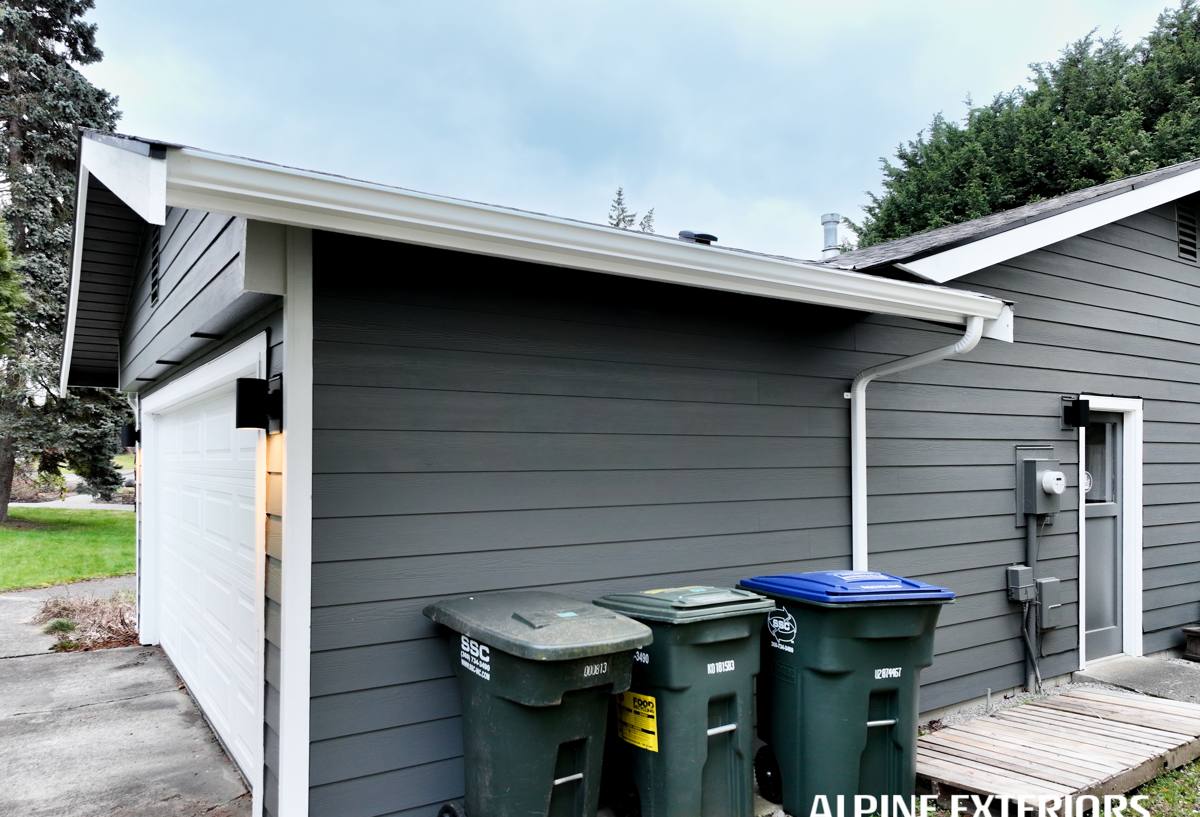
What Local Homes Need From Their Siding
Between the barrier islands and the open Gulf, wind-driven rain doesn't fall straight down here — it gets pushed sideways into walls, seams, and corners. Siding that isn't properly lapped, flashed, and sealed at penetrations will eventually let water behind it, and once moisture gets trapped against sheathing in a humid climate like ours, it doesn't dry out quickly. That's the root cause of most rot and mold issues homeowners deal with years after a "fine" installation.
At the same time, Pinellas County's building code reflects real hurricane risk, which means fastening schedules, clearances, and wind ratings aren't optional details — they're the difference between siding that stays put in a tropical storm and siding that peels off in a strong afternoon squall. And because UV exposure here is intense nearly every month of the year, the finish on your siding has to hold its color and integrity without chalking, fading, or becoming brittle within a few seasons.
The Three Things Siding Has to Survive Here
- Wind: sustained tropical-storm and hurricane-force gusts that test every fastener and seam
- Water: wind-driven rain that attacks laps, corners, and penetrations from the side, not just from above
- Sun and salt: constant UV breakdown of pigments and coatings, plus salt air that accelerates corrosion of fasteners and trim hardware
What a Correct Installation Actually Involves
Good siding installation is mostly invisible once the job is done — it's in the layers you never see. Skipping or rushing any of these steps is where most premature siding failures start.
Water Management Behind the Siding
Before a single piece of siding goes up, the wall needs a properly lapped weather-resistive barrier, correctly integrated flashing at windows, doors, and any wall penetrations, and careful attention to how water is directed away from the structure at every horizontal transition. This is the layer that actually keeps a house dry — the siding itself is the second line of defense, not the first.
Fastening for Wind Resistance
Fastener type, spacing, and placement all have to match the manufacturer's specifications and local wind-zone requirements. In a hurricane-exposed county like Pinellas, under-fastening or using the wrong fastener type is one of the most common — and most expensive — shortcuts a crew can take, because it doesn't show up as a problem until a major storm tests it.
Clearances and Trim Detailing
Siding needs proper clearance from rooflines, decks, and grade so water can't wick upward into the material. Trim, corners, and joints need to be caulked and finished in a way that sheds water rather than trapping it. These are small details that take extra time to get right — and they're exactly the details that separate a siding job that lasts twenty-plus years from one that starts showing problems in five.
Why We Install Only James Hardie Fiber Cement
We made a decision as a company to install James Hardie fiber cement siding exclusively, and we don't treat that as a minor preference — it's the product we're willing to put our name behind on every job, including the ones in Dunedin's toughest coastal-adjacent conditions.
Fiber cement is non-combustible, which matters in a state where wildfire risk and electrical fire exposure both exist. It doesn't attract termites or absorb moisture the way wood-based products can, which is a real concern in Florida's humidity. Hardie's ColorPlus factory-applied finish is baked on and UV-cured under controlled conditions, which gives it a real advantage over field-applied paint when it comes to resisting the kind of relentless sun exposure Dunedin gets nearly every day of the year. And Hardie engineers specific product lines, including HZ formulations, for humid, moisture-heavy climates like ours — the material itself is built with the Gulf Coast in mind, not adapted after the fact.
We don't install vinyl, LP SmartSide, Cemplank, Allura, or primed wood siding. Each of those products has legitimate uses elsewhere, but for the combination of wind, water, sun, and salt that Dunedin homes face, we've found Hardie fiber cement to be the product that holds up best over time when installed correctly — and it comes with a strong transferable warranty backing that up.
Our Installation Process
- On-site assessment: we walk the home, check existing wall conditions, and identify any moisture or substrate issues before quoting the job
- Detailed proposal: product line, color, trim details, and scope are laid out clearly, with no vague allowances
- Substrate prep: removal of old siding, repair of any damaged sheathing, and installation of a properly lapped weather barrier
- Flashing and window/door integration: every penetration gets flashed and sealed before siding goes on
- Hardie installation: fastened to manufacturer spec and local wind-zone code, with attention to clearances and joint detailing
- Trim, caulking, and final finish: corners, transitions, and penetrations are sealed to shed water, not trap it
- Final walkthrough: we review the completed job with the homeowner before calling it done
Signs Your Dunedin Home May Need New Siding
- Visible warping, buckling, or separation at seams and corners
- Soft spots or discoloration that suggest moisture behind the siding
- Paint or finish that's chalking, peeling, or fading unevenly, especially on sun-facing walls
- Siding that moved, cracked, or came loose after a recent storm
- Rising energy bills that may point to a compromised building envelope
- Visible gaps at trim, window, or door edges where water could be getting in
Cost Factors to Understand Before You Budget
| Factor | How It Affects the Job |
|---|---|
| Home size and wall complexity | More corners, gables, and dormers mean more cutting, flashing, and labor time |
| Existing wall condition | Rotted sheathing or hidden moisture damage found during removal adds repair work before siding can go on |
| Product line and profile | Lap width, texture, and specific Hardie product line affect material cost |
| Trim and detail work | Custom trim, wide window casings, and decorative elements add labor |
| Access and site conditions | Tight lots, landscaping, or multi-story sections can affect equipment and labor time |
We don't publish blanket price lists because these factors genuinely change the scope from house to house — but we'll walk your home with you and give you a clear, itemized number before any work starts.
Why Hiring a Crew That Already Works Dunedin Matters
A crew that regularly works Clearwater, Dunedin, and the surrounding Pinellas County area already understands the local wind-zone requirements, permitting expectations, and the specific ways this coastal climate stresses a building envelope. That familiarity shows up in the small decisions made on-site — how flashing is detailed around a specific window style, how much clearance to leave at a low deck line, which corners of a home take the worst of the prevailing wind-driven rain. Those aren't things you learn from a manual; they're things you learn from doing the work here, on homes like yours, repeatedly.
It also matters for accountability. A local crew is easy to reach if a question comes up after the job, and stands behind its work in the same community it lives and operates in.
Caring for Your Siding After Installation
James Hardie fiber cement is low-maintenance compared to wood-based alternatives, but "low-maintenance" doesn't mean "no maintenance." A periodic rinse to remove salt residue and airborne grime, prompt attention to any caulking that shrinks or cracks over time, and a visual check after major storms will go a long way toward getting the full lifespan out of your investment. Keeping vegetation trimmed back from siding also helps limit trapped moisture and pest access at the wall line.
If your Dunedin home's siding is showing its age, letting water in, or simply due for an honest evaluation, we're happy to take a look. Fill out the form below for a free, no-pressure estimate — we'll walk the property, answer your questions straight, and give you a clear picture of what the job actually involves.