 Clearwater Roofing
 Why Island Estates Homes Put Windows Through More Than Most
Island Estates sits on the water in Clearwater, and that location is exactly what makes window selection here different from a typical inland Pinellas County job. Homes on this island are exposed to salt-laden air coming off the Intracoastal Waterway and Gulf almost year-round, plus the full range of what a Florida hurricane season can throw at a coastal property: sustained high winds, wind-driven rain that gets forced sideways into frame gaps, and storm surge risk that makes structural integrity around openings a real concern, not a nice-to-have.
Add in the UV exposure that comes standard with Florida's climate, and you've got three separate forces working against ordinary windows at the same time: salt corrosion attacking metal hardware and fasteners, wind and pressure cycling stressing frames and seals, and UV breaking down vinyl, weatherstripping, and glazing compounds faster than it would a few miles inland. A window that's "fine" in a Tampa subdivision can fail years early on a waterfront lot in Island Estates. Custom windows sized, specified, and installed for this exact exposure are how you avoid that.
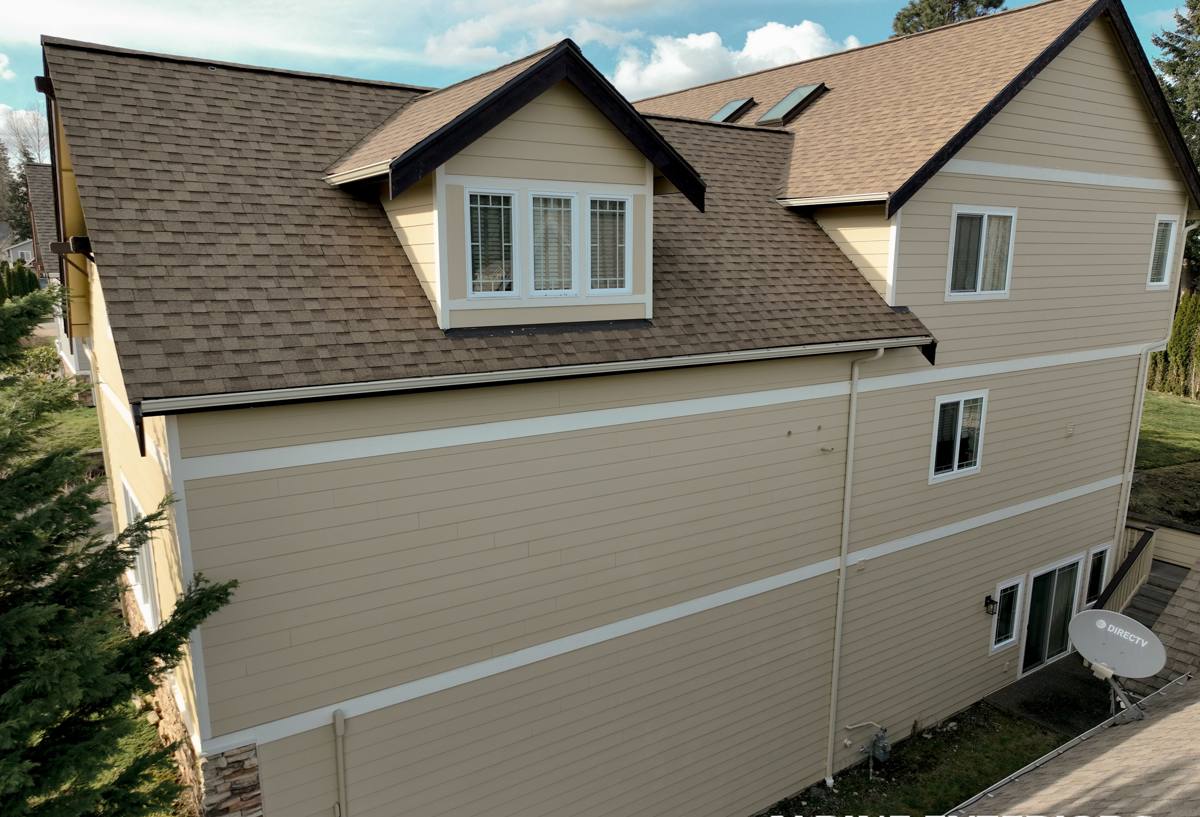
What "Custom" Actually Means for a Waterfront Home
Custom doesn't just mean a bigger price tag or a fancier shape. On Island Estates it means the window is specified to match three things that vary from house to house: the actual opening (many older Clearwater homes have settled or been modified over the decades, so openings are rarely perfectly square), the wind load and pressure requirements for that specific location, and the salt exposure level based on how close the home sits to open water or a canal.
Sizing and Fit
Off-the-shelf window sizes force a contractor to either resize the opening (adding cost and risk of structural issues) or install a window that doesn't fully engage the frame the way it should. On a coastal home, a gap or shim-heavy install is where wind-driven rain finds its way in. Custom-sized units are built to the opening you actually have.
Glass and Frame Specification
Custom also covers glass package (impact-rated laminated glass, tint, low-E coatings) and frame material chosen for the specific corrosion risk at that address. A canal-front lot and a lot set back a few streets from open water don't need identical hardware, but both need something more than a builder-grade window.
Impact-Rated vs. Standard Windows: What Pinellas County Actually Requires
Clearwater sits in Pinellas County's wind-borne debris region, which means most replacement and new-construction windows on Island Estates need to meet impact standards or be paired with approved protection, per Florida Building Code. This isn't optional paperwork — it affects what products can legally be installed and what will pass inspection.
| Feature | Standard Window | Impact-Rated Window |
|---|---|---|
| Glass construction | Single or dual pane, non-laminated | Laminated glass with interlayer, stays intact when cracked |
| Storm protection needed | Shutters or plywood required separately | Built-in protection, no separate shutters needed |
| Code compliance in wind zone | Usually requires added protection to meet code | Meets Florida Building Code wind-borne debris requirements on its own |
| Insurance consideration | May not qualify for windstorm mitigation credits | Often qualifies for windstorm mitigation credits |
| Noise and UV reduction | Baseline | Noticeably better due to laminated glass and coatings |
For a home in Island Estates, we treat impact-rated glass as the baseline recommendation, not an upsell. Between the wind exposure and the added value of not scrambling for shutters before a storm, it's the practical choice for this location.
Frame Materials That Actually Hold Up Near Salt Air
Frame material matters more here than almost anywhere else in the region. Salt air accelerates corrosion on metal components and can degrade certain finishes faster than manufacturers' standard warranties anticipate for typical inland use.
- Vinyl: Resists corrosion entirely since there's no metal to corrode; a solid, low-maintenance choice for most Island Estates homes when paired with UV-stabilized compounds.
- Fiberglass: Very stable in heat and humidity swings, holds paint well, and handles the expansion/contraction cycle of Florida's temperature range without warping.
- Aluminum: Strong and slim-profile, but on a waterfront lot it needs a marine-grade finish and quality hardware, or corrosion around fasteners and hinges becomes a maintenance issue within a few years.
- Wood or wood-clad: Can look great but requires the most upkeep in a salt-air environment; we're honest with homeowners that this is a higher-maintenance choice here specifically, not a knock on the product itself.
We match frame material to how close the home is to open water and how much upkeep the homeowner actually wants to commit to — there's no single "best" material for every house on the island.
Our Process for an Island Estates Install
1. On-Site Assessment
We measure every opening individually rather than assuming uniform sizes, and we check for existing moisture intrusion, frame rot, or settling around each window before quoting anything. This catches problems early instead of discovering them mid-install.
2. Product Selection Matched to Exposure
We walk homeowners through glass, frame, and hardware options based on the home's specific position — waterfront-facing walls often get a different spec than interior-facing walls on the same house.
3. Correct Flashing and Sealing
This is where most window failures near the coast actually start. Proper flashing integration with the existing wall assembly, and sealants rated for sustained UV and salt exposure, matter more than the window brand itself. A great window with a poor seal will still leak.
4. Installation to Wind Load Spec
Fastening schedules and anchoring are set to meet the wind load requirements for the address, not a generic minimum. This is also what allows the finished job to pass permitting inspection.
5. Final Inspection and Cleanup
We check operation, seal integrity, and finish quality on every unit before calling the job done.
What This Kind of Job Typically Costs
Every Island Estates home is different, so exact numbers depend on window count, size, glass package, and frame material. In broad terms, impact-rated custom windows on a coastal Clearwater home tend to run higher than standard inland replacement windows, mainly due to the laminated glass and reinforced frame requirements. The cost factors below are what actually move the number, more than brand names do.
| Factor | Why It Affects Cost |
|---|---|
| Window size and quantity | Larger openings and whole-house projects scale cost directly |
| Glass package | Impact-rated laminated glass costs more than standard, but reduces or eliminates shutter needs |
| Frame material | Vinyl is typically the most economical; fiberglass and marine-grade aluminum cost more upfront |
| Opening condition | Existing rot, settling, or non-square openings add labor before the new window can go in |
| Custom shapes or sizes | Non-standard geometry (arches, oversized picture windows) increases fabrication cost |
We give straight, itemized estimates so homeowners can see exactly what's driving the number, rather than a flat lump sum that hides the tradeoffs.
Signs Your Current Windows Are Already Failing
Coastal deterioration is often gradual, so homeowners sometimes live with early warning signs longer than they should. Worth checking for:
- Fogging or moisture between panes on dual-pane units, which means the seal has failed
- Corrosion or chalky residue on aluminum frames and hardware
- Difficulty opening, closing, or locking that wasn't there a year or two ago
- Visible gaps, cracked caulk, or daylight around the frame edges
- Musty odor or discoloration on interior walls near windows after heavy rain
- Noticeably higher energy bills without another clear cause
Why It Matters That a Crew Already Works on the Island
Island Estates homes share enough in common — waterfront exposure, canal-adjacent construction, and the deed restrictions or HOA guidelines that come with many waterfront Florida communities — that experience on the island genuinely translates from one job to the next. A crew that already knows how these homes are built, what typically needs attention around openings on canal-facing walls, and what documentation Pinellas County inspectors expect for wind-borne debris compliance moves faster and avoids rework.
That familiarity also means fewer surprises for the homeowner. We're not learning the quirks of waterfront construction on your project; we've already seen how salt air, wind exposure, and Florida's permitting process interact on homes like yours.
Keeping Custom Windows Performing Long-Term
A correctly installed window in this environment still needs some upkeep to hit its full lifespan. A short annual routine goes a long way:
- Rinse frames and hardware with fresh water periodically to reduce salt buildup
- Inspect caulking and weatherstripping each year, especially after storm season
- Lubricate locks and moving hardware to prevent corrosion from seizing them
- Check for soft spots or discoloration on surrounding trim or drywall
- Have seals and glass inspected after any major storm event
If you're weighing custom windows for a home in Island Estates, we're happy to take a look and walk through what your specific property actually needs — no pressure, no generic sales pitch. Reach out for a free estimate using the form below.