 Clearwater Roofing
 Roofing Built for Palm Harbor's Climate
Palm Harbor sits along the Gulf side of Pinellas County, close enough to the water that salt air, humidity, and storm exposure shape almost every roofing decision a homeowner makes here. A roof that performs well in a drier, inland climate often struggles in this one. Between hurricane-season wind loads, near-constant UV exposure, and the corrosive effect of salt-laden air moving in off the Gulf, Palm Harbor homes need materials and installation practices matched to local conditions, not generic ones pulled from a national catalog.
We work throughout Clearwater and the surrounding Pinellas County communities, and Palm Harbor is a regular part of our service area. That matters because local knowledge shows up in small decisions that add up: which underlayment holds up best under sustained humidity, how deep to set fasteners for wind uplift resistance, and where flashing tends to fail first on the roof styles common in this part of Florida.
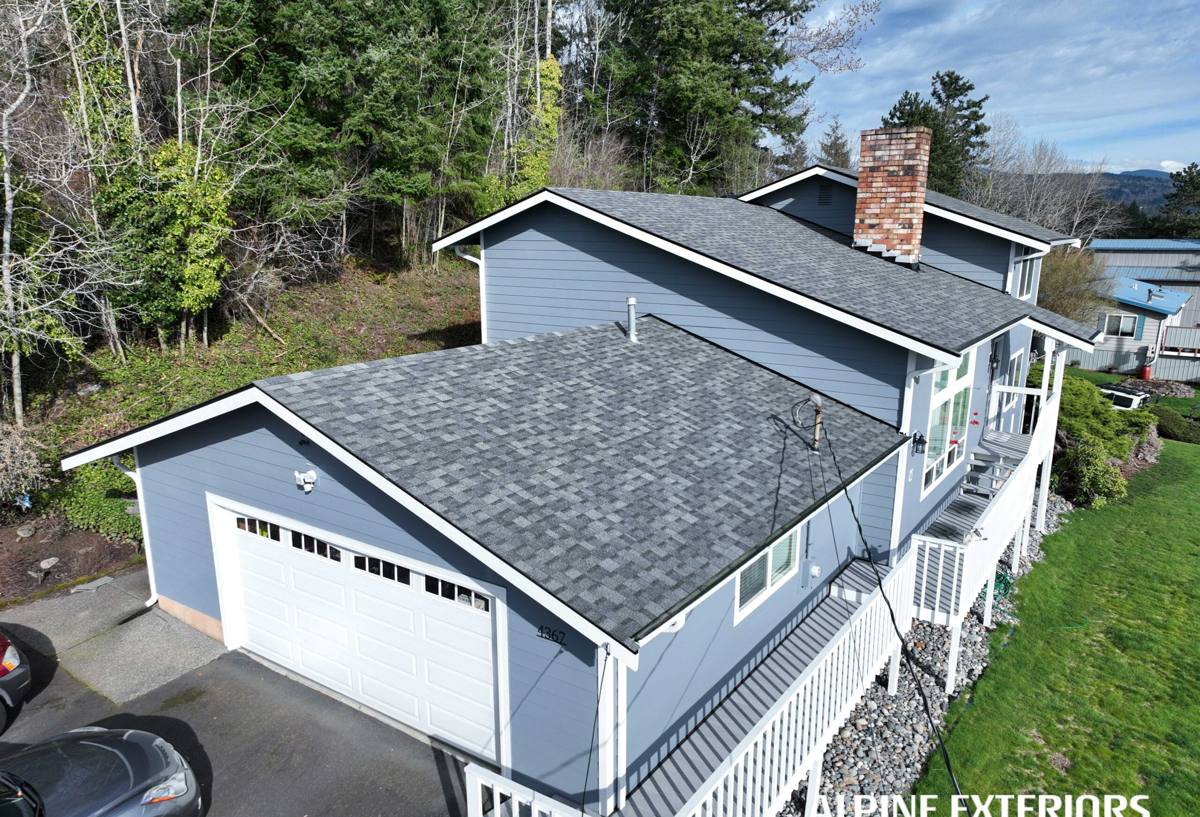
What Palm Harbor Homes Face Each Year
Wind and Storm Exposure
Hurricane season brings sustained winds and gusts capable of lifting improperly fastened shingles, tiles, or metal panels. Wind-driven rain is often the bigger issue — it doesn't just fall on a roof, it drives sideways and upward under edges, flashing, and vents that weren't sealed with that kind of pressure in mind. A roof can look intact after a storm and still have taken on water through points of entry that are invisible from the ground.
Year-Round UV Load
Florida's UV exposure is intense and consistent for most of the year, not seasonal like it is farther north. That constant sun accelerates the breakdown of asphalt shingle granules, dries out sealants, and fades color faster than manufacturers' national warranties sometimes assume. Roofs in this region age on a different curve than the same product installed in a milder climate.
Salt Air and Corrosion
Being close to the Gulf means airborne salt settles on exterior surfaces even without direct ocean exposure. Over time, salt air accelerates corrosion on exposed metal fasteners, flashing, and gutter systems. It also contributes to the breakdown of lower-grade sealants faster than in inland areas, which is one of the reasons product selection and detailing at penetration points matter more here than they would elsewhere.
Roofing Materials: What We Recommend and Why
There's no single "best" roofing material for every home — the right choice depends on the roof's slope, the home's structure, budget, and how long the homeowner plans to stay in the house. Here's an honest comparison of the systems we install most often in Pinellas County.
| Material | Wind Performance | Maintenance | Typical Lifespan |
|---|---|---|---|
| Architectural asphalt shingles | Good, when installed with the correct nailing pattern and rated for high-wind zones | Low; periodic inspection recommended | 20-30 years |
| Concrete/clay tile | Excellent when properly fastened and battened | Occasional tile replacement after impact; underlayment matters more than the tile itself | 30-50+ years |
| Standing seam metal | Excellent; among the best for wind uplift resistance | Very low | 40-60 years |
| 3-tab asphalt shingles | Fair; lower wind rating than architectural shingles | Low, but shorter service life in this climate | 15-20 years |
We install shingle, tile, and metal roofing systems, and we'll talk through the honest trade-offs of each rather than steering every homeowner toward the same product. Metal costs more upfront but requires the least long-term maintenance and handles wind uplift better than most alternatives. Tile has excellent longevity but depends heavily on correct underlayment and fastening — most tile roof failures we see trace back to what's underneath the tile, not the tile itself. Architectural shingles remain a solid, cost-effective choice as long as they carry a wind rating appropriate for coastal Pinellas County and are installed with the nailing pattern the manufacturer specifies for high-wind zones.
Roof Repair vs. Replacement
Not every roofing issue means a full replacement, but Florida's climate can turn a small problem into a bigger one faster than homeowners expect. Some signs point clearly toward repair; others suggest it's time to start planning for replacement.
- Localized leaks around a single penetration (vent, chimney, skylight) are often repairable without replacing the whole roof
- Missing or lifted shingles after a storm can frequently be addressed as a targeted repair if the underlayment is still sound
- Granule loss that's widespread, not just around one area, usually signals the roofing material itself is nearing the end of its service life
- Soft spots in the roof deck when walked, or sagging visible from the ground, indicate structural moisture damage that a patch won't solve
- A roof approaching or past its material's expected lifespan is often more cost-effective to replace than to keep patching
- Multiple past repairs in different areas can mean the underlying materials are failing broadly, not just at isolated points
We'll give a straight answer about which situation applies rather than defaulting to the more expensive recommendation. A roof inspection after storm season, or before buying or selling a home, is one of the more useful preventive steps a Palm Harbor homeowner can take.
Beyond the Roof: Siding, Windows, and Decks
Roofing is usually the most urgent exterior concern in this climate, but it's rarely the only one. Salt air, UV, and wind-driven rain affect the whole exterior envelope of a home, and we handle siding, windows, and decks alongside roofing so homeowners aren't coordinating multiple contractors for work that's often related.
Siding
Siding on Gulf-facing and near-coastal homes takes on humidity, salt exposure, and UV fading in ways that inland siding doesn't. Fiber cement and quality vinyl products hold up well here when installed with proper moisture management behind the cladding — flashing details and a functioning drainage plane matter as much as the siding material itself.
Windows
Impact-rated and properly sealed windows do double duty in this area: they help protect against wind-borne debris during storms and reduce the air and moisture infiltration that salt-humid air pushes through weak seals over time. Window replacement is also one of the more direct ways to improve a home's energy efficiency against Florida's near-constant cooling load.
Decks
Outdoor decks see some of the harshest combined exposure on a property — full sun, humidity, and frequent wetting. Material choice and proper fastening (including corrosion-resistant hardware, given the salt air) make a significant difference in how long a deck stays structurally sound and low-maintenance.
Why a Local Crew Matters
A contractor who works Pinellas County regularly understands things that don't show up in a spec sheet: which permitting requirements apply in this jurisdiction, how local wind zone ratings affect material and fastening choices, and what actually fails first on homes exposed to this specific combination of heat, humidity, wind, and salt. That local familiarity translates into fewer surprises during the project and a roof or exterior system that's built for the conditions it will actually face, not a generic national average.
It also means faster response after a storm. When wind or rain damage needs attention, a crew that's already working in the area can typically get to an inspection sooner than one traveling in from farther away.
What to Expect From the Process
Every project starts with an inspection and an honest conversation about condition, options, and cost — not a pressured sales pitch. From there:
- We assess the current roof, siding, windows, or deck and identify what's driving the issue (age, storm damage, installation defects, or a combination)
- We walk through material and repair-versus-replacement options with real trade-offs, not just the most expensive tier
- We provide a written estimate before any work begins
- We handle permitting where required and keep the homeowner informed on scheduling and progress
- We inspect completed work before considering the job finished
Choosing a Contractor: What to Check
Hiring the right contractor matters as much as choosing the right material. A few things worth verifying before signing anything:
- Current state licensing and insurance, confirmed directly rather than taken on faith
- A physical local presence and a track record of work in Pinellas County specifically
- A written estimate that spells out materials, scope, and payment terms clearly
- Manufacturer certifications for the specific products being installed, if warranty coverage depends on them
- Willingness to explain trade-offs between material options rather than pushing one product regardless of fit
If you're in Palm Harbor and dealing with a roof, siding, window, or deck issue — or just want a clear-eyed assessment of where things stand — we're happy to take a look. The estimate is free, there's no pressure attached, and you'll get a straight answer about what your home actually needs. Use the form below to get started.