 Clearwater Roofing
 Why Clearwater Roofs Age Differently Than Roofs Up North
A roof in Clearwater doesn't fail the way a roof does in a milder climate. Here, the roof deck and covering are under attack from several directions at once: sustained UV exposure nearly every day of the year, wind-driven rain that gets pushed sideways into laps and flashings during summer storms, salt-laden air off the Gulf that accelerates corrosion on fasteners and metal components, and the occasional direct hit or near-miss from a tropical system or hurricane. None of these forces is dramatic on its own in the short term, but stacked together over a decade or more, they shorten the useful life of most roofing materials compared to what the manufacturer's brochure might suggest for a more temperate part of the country.
That's the backdrop for one of the most common questions we get from homeowners in Pinellas County: is it time to repair this roof again, or is it time to replace it? There's no single answer that fits every roof, but there is a reliable way to think through the decision.
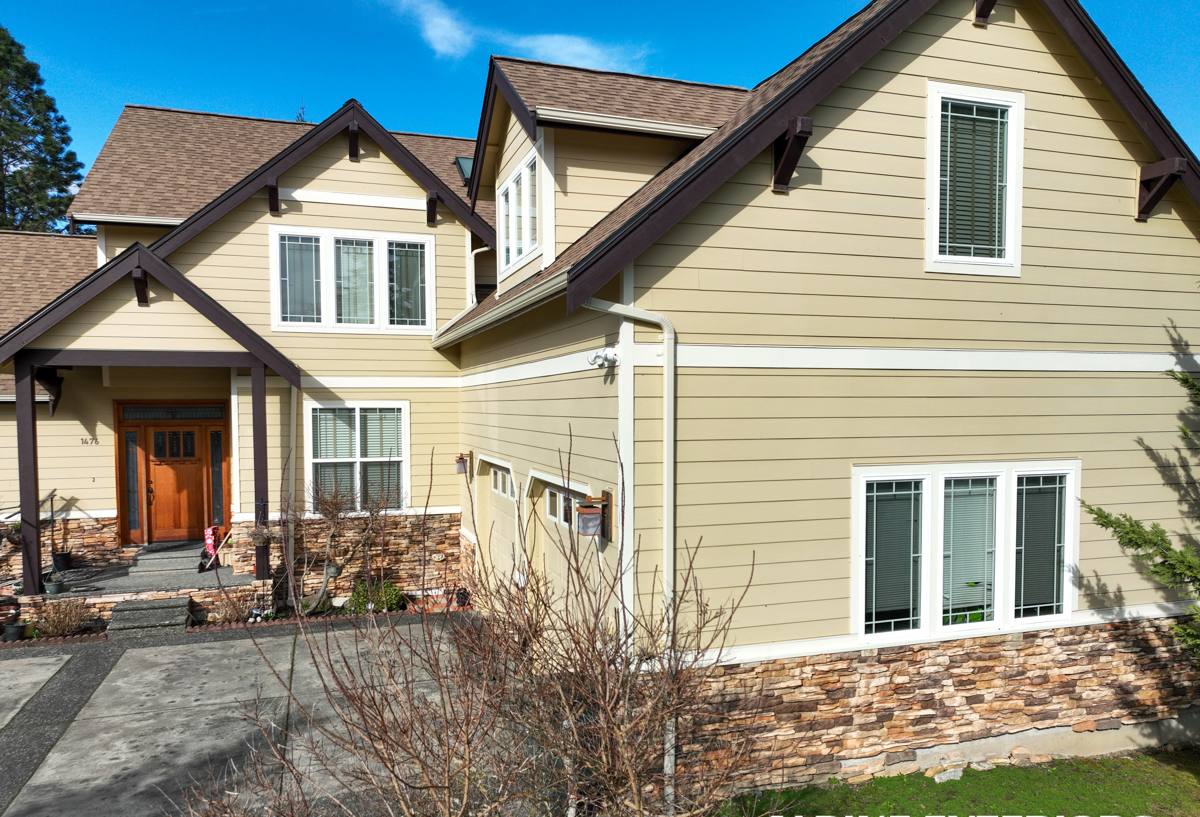
Signs Your Roof Is Telling You Something
Most roofs don't fail all at once. They give warnings first. Some of the most reliable signs that a full replacement should be on your radar, rather than another patch repair, include:
- Shingles that are cupping, curling at the edges, or losing significant granule coverage (you'll often see grit collecting in gutters or at downspout outlets)
- Multiple past repairs in different areas of the roof, rather than one isolated problem spot
- Soft or spongy decking felt underfoot in the attic, or daylight visible through the roof boards
- Persistent granule loss combined with visible fiberglass matting showing through on asphalt shingles
- Rusting, lifting, or separated metal flashing around chimneys, vent stacks, and roof-wall intersections
- Ceiling stains that reappear after being repaired, suggesting the source of the leak hasn't actually been resolved
- A roof that is approaching or past the upper end of its material's expected service life in our climate
Any one of these on its own might point to a targeted repair. Several of them together, especially on an older roof, usually mean the underlying materials have reached the end of their useful service and further repairs are just delaying an inevitable replacement while risking interior damage in the meantime.
Repair or Replace? How We Help Homeowners Decide
The honest answer is that a roof replacement is a significant investment, and a reputable contractor should never push you toward one when a repair will genuinely hold up. At the same time, chasing repairs on a roof that's structurally past its prime can end up costing more over time than simply replacing it once. Here's a general framework we walk homeowners through:
| Situation | Repair Usually Makes Sense | Replacement Usually Makes Sense |
|---|---|---|
| Roof age | Under roughly half the material's expected lifespan | Approaching or past the material's expected lifespan for our climate |
| Leak pattern | Single, isolated source (one flashing, one penetration) | Multiple leaks in unrelated areas, or recurring leaks after repair |
| Shingle/material condition | Localized damage, surrounding material still flexible and granule-intact | Widespread curling, cracking, or granule loss across most slopes |
| Decking condition | Solid, no soft spots found during inspection | Soft, delaminated, or water-stained decking discovered |
| Storm damage | Limited to a small area, structure otherwise sound | Widespread wind or impact damage across the roof plane |
A proper inspection, ideally including a walk of the attic and not just a look from the ground, is really the only way to know which column your roof falls into. We're always willing to tell a homeowner honestly that a repair is the right call, even if that's a smaller job.
Roofing Material Options for Pinellas County Homes
Asphalt Shingles
Still the most common roofing material in our area, largely because of the balance between upfront cost and performance. Architectural (dimensional) shingles rated for high wind hold up noticeably better here than older three-tab styles, and most manufacturers now offer products specifically rated for coastal wind zones. Proper installation — correct nailing pattern, starter strip, and ridge cap installation — matters as much as the shingle brand itself when it comes to wind performance.
Metal Roofing
Standing seam and other metal roofing systems have become increasingly popular along the Gulf Coast because of their wind resistance and long service life. The trade-off is a higher upfront cost and the need for correct fastener selection (to resist salt-air corrosion) and expansion detailing, since metal moves more with heat than other materials. When installed correctly, metal is a strong long-term option for this climate.
Tile Roofing
Concrete and clay tile are common on higher-end homes in the region and can perform very well against UV and heat. Their long-term performance depends heavily on the condition of the underlayment beneath the tiles, which does the actual waterproofing work — the tile itself is largely a protective and decorative layer. We're upfront with homeowners that a tile "replacement" often really means a full underlayment replacement with the existing tile reinstalled where possible, which affects both cost and timeline.
Flat and Low-Slope Roofing
Common on additions, porches, and some commercial-style residential roofs. Modified bitumen and TPO systems are the typical modern choices; each has its own seaming and flashing requirements that are especially important given how much wind-driven rain a low-slope roof can see in a Florida storm.
What Actually Drives the Cost of a Roof Replacement
Homeowners often ask for a ballpark before they've had an inspection, which is understandable, but roof replacement costs vary widely based on several concrete factors rather than a flat per-square-foot number:
| Cost Factor | Why It Matters |
|---|---|
| Roof size and pitch | Steeper roofs take longer to work safely and require more material for the same footprint |
| Material choice | Asphalt, metal, and tile carry very different material and labor costs |
| Number of layers to remove | Tear-off of existing layers adds labor and disposal cost versus a single-layer roof |
| Decking condition | Soft or damaged decking sections need to be replaced before new roofing goes down |
| Roof complexity | Valleys, dormers, skylights, and multiple penetrations all add flashing and labor time |
| Wind rating and code requirements | Meeting current Florida Building Code wind provisions can affect fastening, underlayment, and material specs |
Because of this, we don't quote roof replacements sight unseen. A proper estimate comes after we've actually looked at the roof and, where relevant, gotten eyes into the attic.
Permits, Codes, and Insurance in Florida
Roof replacements in Pinellas County require a building permit and inspection, and current work must meet the wind and moisture provisions of the Florida Building Code that apply here. This isn't optional paperwork — it affects how the roof is fastened, what underlayment is used, and in many cases what your insurance company will recognize on your policy. A properly permitted, code-compliant roof replacement can also make a real difference on wind mitigation inspections, which insurers use to help set windstorm premiums. If you're weighing a repair against a replacement partly for insurance reasons, it's worth asking your agent how each option would affect your policy and mitigation credits before you decide.
What to Expect During the Replacement Process
- An on-site inspection, including attic access where possible, followed by a written estimate that spells out material, scope, and any decking allowance
- Permit application and scheduling, which in Pinellas County typically takes some lead time before work can begin
- Tear-off of the old roofing material and disposal
- Deck inspection and repair or replacement of any damaged sections found once the old material is off
- Installation of underlayment, flashing, and the new roofing material to current code requirements
- Final walk-through and municipal inspection before the job is closed out
Weather is the biggest variable in scheduling here — a job can be delayed by an afternoon storm, which is simply part of working on roofs in this part of Florida. A contractor who tells you a firm start date with no room for weather is not being fully honest about how this work actually goes in a Gulf Coast summer.
Choosing a Contractor for a Roof Replacement
A roof replacement is one of the larger investments a homeowner makes in a house, and it's worth vetting who does the work at least as carefully as you'd vet the material. Some practical things to check:
- Current Florida contractor license, and confirmation it covers roofing specifically
- General liability insurance and workers' compensation coverage, verified directly rather than taken on faith
- A written estimate that specifies material brand and line, not just "shingles" or "metal roof"
- Willingness to pull the required permit themselves rather than asking you to pull it
- A physical local presence and references from work actually done in this area, not just a nationwide franchise name
- Clear answers about who handles decking repair costs if damage is found once tear-off begins
If a contractor is reluctant to answer any of these plainly, that reluctance is itself useful information.
Get an Honest Look at Your Roof
If you're not sure whether your Clearwater home needs a repair or a full roof replacement, the most useful next step is a straightforward inspection rather than guesswork based on age alone. We're happy to take a look, explain what we find in plain terms, and put together a written estimate — with no pressure and no obligation to move forward.