 Clearwater Roofing
 Roofing in Oldsmar: Built for Tampa Bay Conditions
Oldsmar sits on the north shore of Old Tampa Bay in Pinellas County, in a stretch of the Gulf coast that sees some of the harshest year-round weather a roof can face anywhere in the country. Homes here deal with intense subtropical sun almost every day of the year, sudden wind-driven thunderstorms in the summer, salt-laden air moving in off the bay, and the very real chance of a hurricane or tropical system pushing through during the June-to-November season. None of that is unique to Oldsmar, but it does mean a roof installed here has to work harder than a roof in most other parts of the country, and it has to be installed correctly the first time.
We work throughout Pinellas County and know the difference between a roof that's built to code on paper and one that's actually detailed to hold up under real Tampa Bay conditions — fastening patterns, underlayment choices, flashing details, and ventilation all matter more here than they do inland.
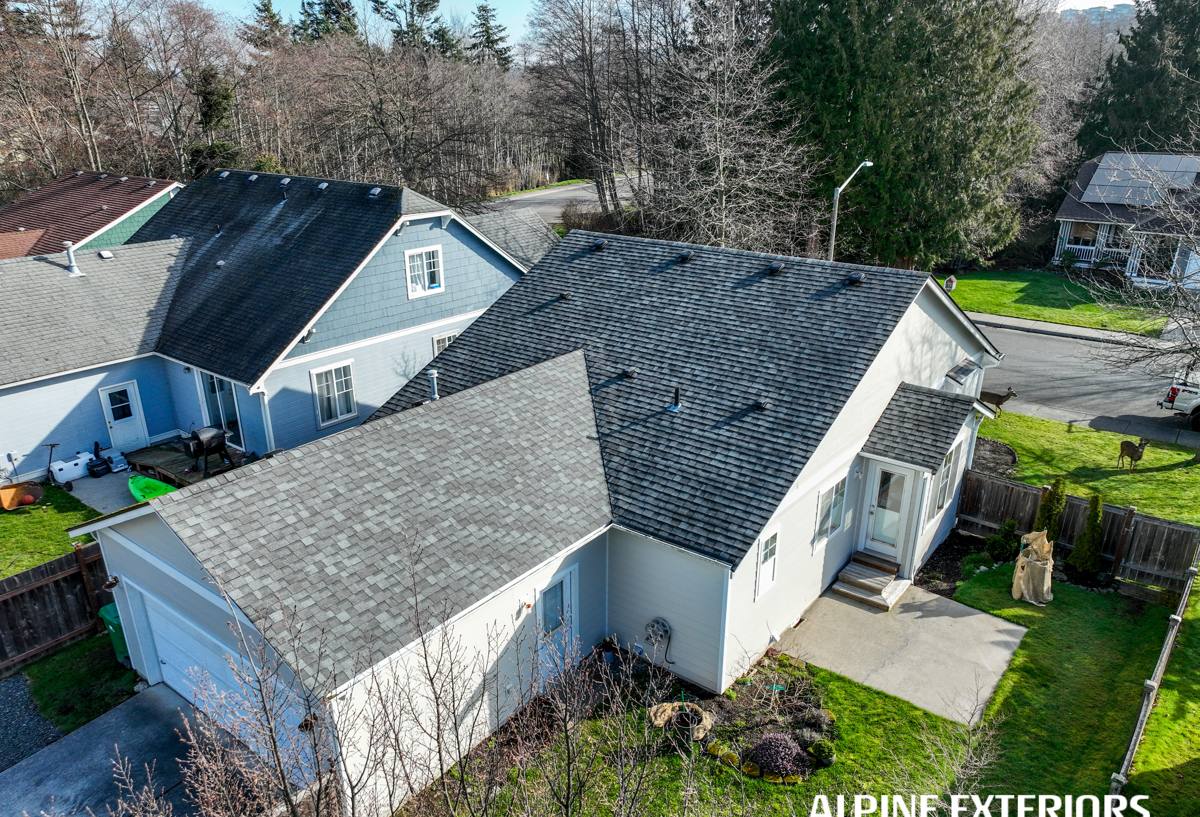
What Local Climate Does to a Roof Over Time
UV Exposure
Florida sun breaks down roofing materials faster than almost anywhere else in the U.S. Asphalt shingles lose their granules and oils over time, sealants dry out and crack, and anything left unprotected on a roof — pipe boots, flashing sealant, ridge caps — tends to fail years before it would in a milder climate. This is one of the biggest reasons roofs in this area rarely reach the full manufacturer-rated lifespan without regular attention.
Wind and Storms
Pinellas County sits in a high-velocity hurricane zone, which is why current Florida Building Code requirements for roofing here are stricter than in much of the country — proper nailing patterns, sealed underlayment, and wind-rated materials aren't optional extras, they're baseline requirements. Even outside of a named storm, routine summer thunderstorms bring gusty, wind-driven rain that will find any weak point in flashing, valleys, or aging shingles.
Salt Air and Humidity
Being close to Tampa Bay means metal components — fasteners, flashing, vents, gutters — are exposed to salt air that accelerates corrosion if the wrong materials or coatings are used. Constant humidity also means any trapped moisture under a roof deck has more time and opportunity to cause rot or mold before it's noticed.
Roofing Materials: What Works Here
There's no single "best" roofing material for every home — it depends on the roof structure, budget, aesthetic goals, and how long you plan to own the home. Here's how the common options compare for this climate specifically.
| Material | Typical Lifespan Here | Wind/Storm Performance | Notes for Oldsmar Homes |
|---|---|---|---|
| Asphalt Shingle (architectural) | 15-25 years | Good when properly nailed and rated for local wind speeds | Most common choice; wide range of price points and colors |
| Metal (standing seam or panel) | 30-50 years | Excellent; handles wind uplift and wind-driven rain well | Higher upfront cost, lower long-term maintenance, reflects heat |
| Tile (concrete or clay) | 30-50+ years | Very good when the underlayment and fastening are done correctly | Common on many Tampa Bay area homes; underlayment failure is the usual weak point, not the tile itself |
| Flat/Low-Slope (modified bitumen, TPO) | 15-25 years | Depends heavily on installation quality and drainage | Common on additions, porches, and some garages |
Whatever material a home has or is moving to, we install and repair with an eye toward the specific stresses this area puts on a roof — not a generic, one-size-fits-all approach.
Roof Repair or Full Replacement?
Not every roof problem means a full replacement. We inspect before recommending anything, but there are a few factors that generally tip the decision one way or the other.
| Factor | Leans Toward Repair | Leans Toward Replacement |
|---|---|---|
| Age of roof | Under 10-12 years | Approaching or past expected lifespan |
| Extent of damage | Isolated to one area (flashing, a section of shingles) | Widespread granule loss, multiple leak points, or storm damage across the roof |
| Underlying deck condition | Solid, no rot found | Soft spots, water staining, or rot in the decking |
| Insurance/storm claim | Minor, localized damage | Significant wind or hail damage documented after a storm |
| Future plans | Selling soon, budget-limited | Staying long-term, want to reduce maintenance and improve wind rating |
Signs a Roof Needs Attention
Because roof damage isn't always obvious from the ground, we recommend a walk-around and, when it's safe, a look in the attic every year or two — and always after a significant storm. Watch for:
- Missing, cracked, or curling shingles, especially after wind events
- Granules collecting in gutters or at downspout outlets
- Dark streaks, stains, or soft spots on ceilings or interior walls
- Daylight visible through the roof deck from inside the attic
- Sagging areas anywhere on the roofline
- Rusted, lifted, or missing flashing around chimneys, vents, and skylights
- Higher-than-normal cooling bills, which can point to failing attic ventilation or insulation exposed to heat gain
- Visible wear or algae/moss streaking, which is common in Florida's humidity but can also mask deeper material breakdown
Wind Mitigation and Insurance Considerations
Florida homeowners insurance premiums are heavily influenced by a roof's age, material, and documented wind-resistant features — things like a secondary water barrier, roof-to-wall connections (hurricane straps or clips), and the roof deck attachment method. A properly documented wind mitigation inspection after a reroof can lead to meaningful insurance savings, and it's worth asking your contractor to make sure these upgrades are installed and documented correctly, not just assumed. We build roofs to current Florida Building Code wind requirements for this area and can point you toward what documentation your insurer will want to see — we're not insurance agents, so we always recommend confirming specifics with your carrier.
Our Approach to a Roofing Project
A roof replacement or major repair on an occupied home is disruptive, so we try to keep the process straightforward:
- Inspection and honest assessment — we look at the whole roof system, not just the visible surface, including flashing, ventilation, and (when accessible) the deck.
- Written scope and materials — you'll know exactly what's being installed and why before work starts.
- Permitting — roofing work in Pinellas County requires permits and inspections; we handle that process as part of the job.
- Protection of the property — landscaping, driveways, and pool areas are covered and protected during tear-off and installation.
- Daily cleanup — nail sweeps and debris removal happen at the end of each work day, not just at project completion.
- Final walkthrough — we go over the finished roof with you before calling the job done.
More Than Roofing: The Rest of the Exterior
Roofing is rarely the only exterior system under stress in this climate. We also handle siding, windows, and decks, because on most homes these systems interact — a roof leak can damage siding or soffits, failing windows let humidity into wall cavities, and an aging deck faces the same UV and moisture exposure as the roof above it. If we're already on site for a roofing project, it's worth mentioning any other exterior concerns so we can look at the whole picture rather than one component in isolation.
Siding
Salt air and humidity are hard on siding materials just as they are on roofs. Fiber cement and quality vinyl products tend to hold up well in this climate when installed with proper flashing and clearances; we can walk through the trade-offs for your specific home.
Windows
Impact-rated windows are increasingly standard in this part of Florida, both for storm protection and for the insurance and energy-efficiency benefits they bring. Aging, non-impact windows are also a common source of water intrusion during wind-driven rain.
Decks
Outdoor living spaces near the bay face constant UV and moisture cycling. Proper material selection and fastener choice (corrosion-resistant hardware matters near saltwater) make a real difference in how long a deck lasts before it needs major work.
Simple Maintenance That Extends Roof Life
A little regular attention goes a long way in this climate:
- Keep gutters and downspouts clear so water isn't backing up under roof edges
- Trim back overhanging branches that drop debris or scrape shingles in wind
- Have flashing and sealant around penetrations (vents, chimneys, skylights) checked every couple of years
- Schedule a post-storm check after any significant wind event, even if no damage is obvious from the ground
- Keep attic ventilation clear so heat and moisture aren't building up under the deck
Why a Local Crew Matters
A contractor who works throughout Pinellas County day in and day out understands things a national or out-of-area company simply doesn't have direct experience with: the wind rating requirements for this area, how the local permitting and inspection process actually runs, which flashing and underlayment details hold up to real Tampa Bay storms instead of textbook ones, and how salt air changes material choices near the water. That local familiarity translates into fewer surprises, fewer callbacks, and a roof that's actually built for where it sits — not a generic install dropped onto a house near the bay.
If you're in Oldsmar and have questions about your roof's condition, want a second opinion after storm damage, or are planning ahead for a replacement, we're happy to take a look. Reach out for a free, no-pressure estimate using the form below.