 Clearwater Roofing
 Roofing and Exterior Work Built for Largo's Climate
Largo sits in the middle of Pinellas County, tucked between the Gulf and Tampa Bay, which means homes here get hit from both sides — salt-laden air drifting in off the water and the humidity and heat that settle over the whole peninsula. Add in the seasonal threat of hurricane-force winds, near-daily UV exposure for much of the year, and the wind-driven rain that comes with our summer storm pattern, and you've got a climate that is genuinely hard on a home's exterior. We've built our roofing, siding, window, and deck services around that reality, not around a generic weatherproofing checklist.
Largo is a mix of long-established neighborhoods with mature tree canopy and newer construction closer to major corridors, so the roofs and exteriors we work on here run the gamut — from older shingle roofs due for a full tear-off to newer homes where the issue is a botched original installation rather than age. A local crew that works this specific area regularly gets a feel for which streets tend to have canopy-related roof debris, which pockets get the worst wind exposure, and which older subdivisions were built with materials that don't hold up as well against decades of Gulf coast weather.
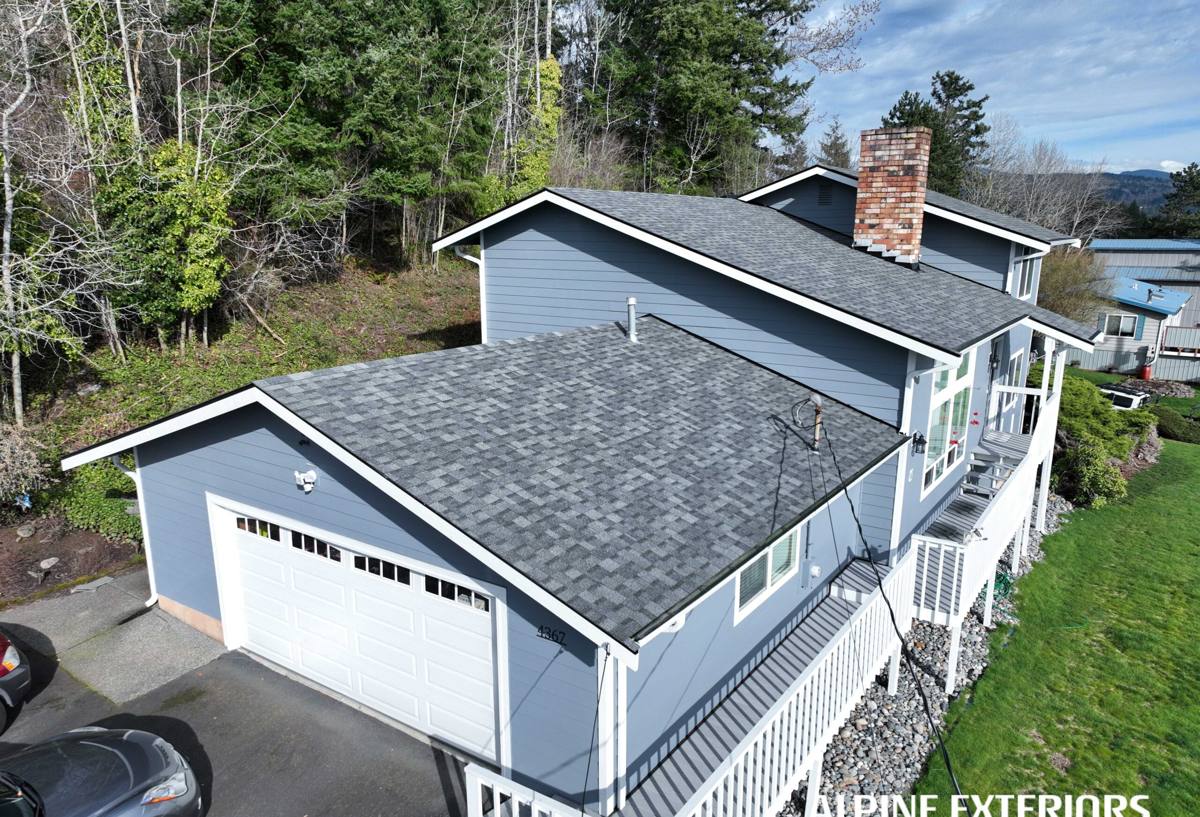
How Pinellas County Weather Wears Down a Roof
UV and Heat
Florida sun is intense almost year-round, and it doesn't just fade shingle color — it breaks down the asphalt and oils in roofing materials over time, making them brittle. Brittle shingles crack more easily in wind and lose their granule coating faster, which shortens the roof's effective lifespan well below what the manufacturer's rating suggests for a milder climate.
Wind-Driven Rain
It's rarely straight-down rain that causes leaks here — it's rain being pushed sideways under wind pressure, working its way under shingle edges, around flashing, and into any gap in the roof deck. This is why proper flashing detail and underlayment matter so much more in Pinellas County than in drier, calmer climates. A roof that looks fine from the ground can still be letting water in at the valleys, chimney flashing, or vent boots.
Salt Air
Largo isn't right on the beach, but it's close enough that salt in the air accelerates corrosion on metal roofing components — fasteners, flashing, gutters, and any exposed hardware. Over years, that corrosion can compromise the very connections that are supposed to hold a roof down in high wind.
Hurricane-Force Wind
Wind uplift is the single biggest threat to a roof in this part of Florida. Once wind gets under a single loose shingle or a section of compromised flashing, it can peel back a much larger area in a single storm. This is also why proper nailing patterns, starter strip installation, and ridge cap fastening aren't cosmetic details — they're what keeps a roof attached during the storms this county sees.
Roofing Services for Largo Homes
We handle the full range of roofing work, from small repairs to complete replacements:
- Roof inspections and leak diagnosis, including hidden leaks that show up as interior staining far from the actual entry point
- Shingle roof repair and replacement, including asphalt architectural and dimensional shingle systems
- Tile roof repair, which requires different flashing and underlayment know-how than shingle systems
- Flat and low-slope roof sections, common on additions, lanais, and garage tie-ins
- Flashing repair and replacement around chimneys, skylights, and roof-to-wall intersections
- Ventilation assessment, since poor attic airflow accelerates shingle aging from underneath
- Post-storm damage assessment and documentation for insurance purposes
We won't recommend a full replacement when a targeted repair will genuinely hold up — but we also won't patch a roof that's past the point where patching makes financial sense. Part of an honest inspection is telling a homeowner which category their roof falls into and why.
Siding, Windows, and Decks: The Rest of the Envelope
A roof doesn't work in isolation — it's one part of a home's overall exterior envelope, and in this climate the other parts take a beating too.
Siding
Fiber cement and vinyl siding both have a place depending on the home and budget, but each comes with real trade-offs in a coastal-influenced climate. Fiber cement holds up well against moisture and pests but is heavier and requires correct installation to avoid moisture intrusion at seams. Vinyl is lower-maintenance and cost-effective but can become brittle with prolonged UV exposure if it's a lower-grade product, and dark colors absorb more heat. We walk homeowners through these trade-offs honestly rather than pushing one material as a cure-all.
Windows
Impact-rated and properly sealed windows matter more here than in most of the country, both for storm protection and for keeping wind-driven rain from finding its way into wall cavities around window frames. Poorly sealed window installation is one of the more common hidden sources of water damage we find during exterior evaluations.
Decks
Outdoor living is a big part of why people love Largo, but decks take constant sun and humidity exposure. Material choice and proper fastener selection (corrosion-resistant hardware, given the salt air) make a real difference in how long a deck stays structurally sound and how much maintenance it needs.
Comparing Common Roofing Materials for This Area
| Material | Wind Performance | Maintenance | Typical Lifespan Here |
|---|---|---|---|
| Architectural asphalt shingle | Good, when properly nailed and rated for local wind zone | Low to moderate | 15-25 years, often shorter with heavy UV exposure |
| Concrete or clay tile | Very good when correctly fastened and underlayment is sound | Moderate — occasional tile replacement, underlayment is the real lifespan factor | 30-50 years for tile itself, underlayment often needs attention sooner |
| Metal roofing | Excellent uplift resistance with proper fastening | Low, watch for fastener corrosion in salt air over time | 30-50 years |
| Flat/low-slope membrane | Depends heavily on installation quality and drainage | Moderate — periodic inspection for ponding and seam integrity | 15-25 years |
None of these materials is automatically "the best" — the right choice depends on the home's structure, budget, HOA requirements in some Largo neighborhoods, and how long the homeowner plans to stay in the property.
What to Ask Before Hiring Any Contractor
Roofing and exterior work draws its share of storm-chasing outfits that show up after a hurricane and disappear once the check clears. A few basic questions separate a legitimate local contractor from a risk:
- Are they licensed to work in Florida, and can they provide that license number without hesitation?
- Do they carry current liability insurance and workers' compensation coverage?
- Do they have a permanent, physical presence in this area rather than an out-of-state address?
- Will they pull the required permits for the work, rather than asking you to skip that step?
- Do they explain what they find during an inspection in plain terms, including things that don't need immediate work?
- Is the estimate itemized, or is it a single vague lump sum?
A crew that's been doing this work in Pinellas County for years has a reputation to protect locally — that accountability tends to show up in the quality of the work and the honesty of the estimate.
Signs a Largo Home Needs an Exterior Evaluation
Some warning signs are obvious, others aren't. Worth a call if you notice:
- Granules collecting in gutters or at downspout outlets
- Curling, cracked, or missing shingles visible from the ground
- Interior ceiling stains, especially after heavy wind-driven rain
- Soft or discolored siding panels, particularly near ground level or window trim
- Windows that feel drafty or show condensation between panes
- Deck boards that feel spongy, or fasteners showing rust streaks
- Visible sagging along a roofline or gutter line
Catching these early is almost always cheaper than waiting until a small problem becomes a structural one.
Why a Local Crew Matters in Largo
Working in one region consistently means we know how local building codes and wind-zone requirements apply to actual houses here, not just what's written in a manual. It also means faster response after a storm, familiarity with the permitting process through Pinellas County, and a crew that's answerable to the same community it works in. We're not driving in from out of state for storm season — this is where we work day in and day out.
If you're in Largo and dealing with a roofing concern, aging siding, drafty windows, or a deck that's seen better days, we're happy to take a look and give you a straightforward assessment — no pressure, no scare tactics, just an honest read on what your home actually needs. Reach out for a free estimate using the form below.