 Clearwater Roofing
 Siding Installation in Largo, Florida
Largo sits in the middle of Pinellas County, close enough to the Gulf and Tampa Bay that its houses take the same climate beating as anything closer to the water — just without always getting treated that way. Homeowners here often assume that because they're not oceanfront, their siding doesn't need the same attention paid to a beachfront property. That assumption is what leads to premature failures. Hurricane-force wind events, relentless UV exposure nearly every month of the year, wind-driven rain that finds its way into anything less than a properly flashed wall assembly, and salt-laden air drifting inland all combine to shorten the life of siding that wasn't chosen or installed with this climate in mind.
This page covers what siding installation actually requires for a Largo home specifically — not siding in general, not siding in a mild climate, but siding that has to survive Pinellas County conditions year after year.
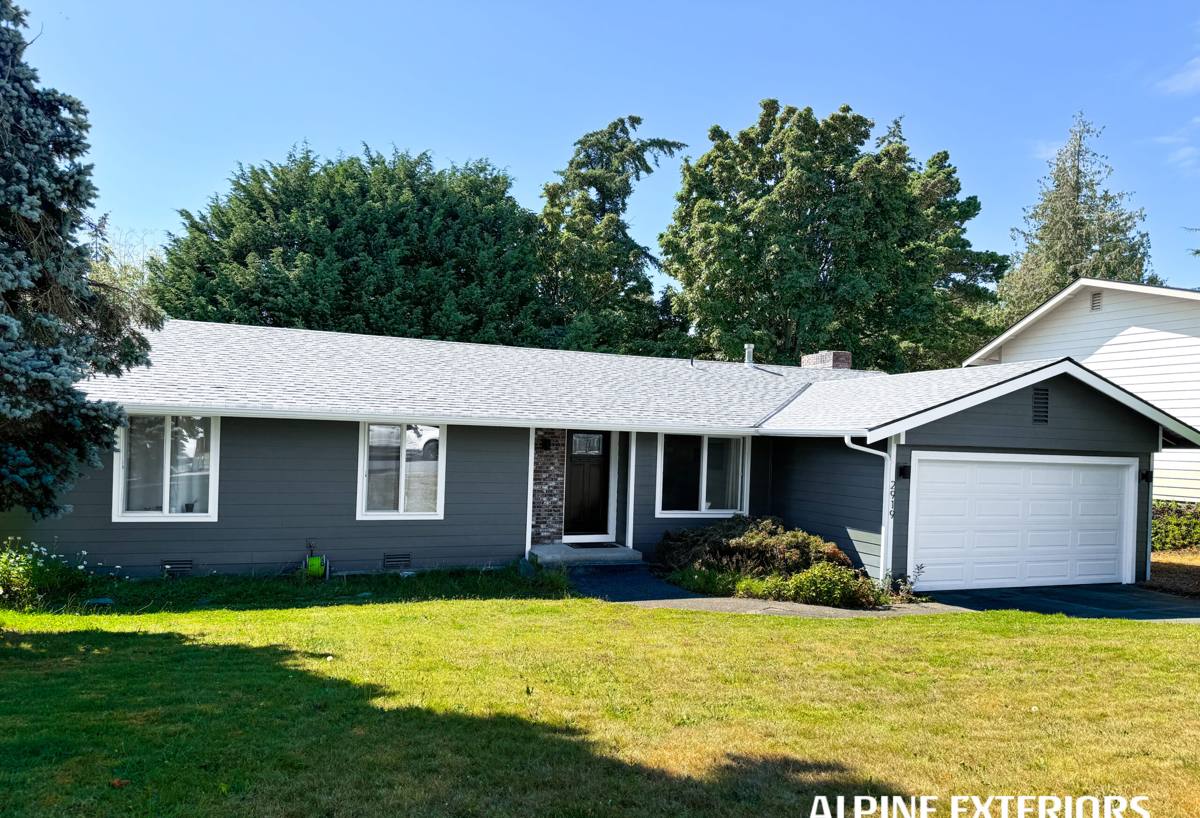
What Largo's Climate Actually Does to Siding
Wind
Largo isn't exempt from the tropical storm and hurricane risk that defines this part of Florida. Wind doesn't just push against a wall — it gets under loose panels, works fasteners back and forth until they enlarge their own holes, and turns any gap in the water-resistive barrier into an entry point. Siding that's under-fastened or fastened with the wrong pattern is the first thing to fail in a wind event, and it usually fails from the inside out, long before anyone notices from the street.
UV Exposure
Florida sun is intense for most of the year, not just in summer. Sustained UV breaks down pigments and resins in lower-grade siding products, leading to fading, chalking, and surface degradation. A factory-applied, UV-stable finish holds up considerably better over a 15- to 20-year span than field-applied paint on a lesser substrate.
Wind-Driven Rain
Rain that falls straight down is easy to shed. Rain that's being pushed sideways by 40-60 mph gusts is a different problem — it gets forced up under laps, around trim, and into any seam that isn't properly flashed and sealed. This is where installation quality matters as much as the product itself.
Salt Air
Even a few miles inland from the Gulf or the Bay, salt aerosol travels on the wind and settles on exterior surfaces. Over time it accelerates corrosion of fasteners and trim hardware and degrades finishes that weren't engineered to resist it. This is a slow, cumulative effect — it's why siding that looks fine in year three can look tired by year eight if the wrong materials or fasteners were used.
What a Correct Siding Installation Involves
Siding is a system, not just a panel. A crew that only pays attention to the visible face of the wall is setting the homeowner up for problems that won't show up for a few years. A correct installation for this climate includes:
- A properly lapped and sealed water-resistive barrier behind the siding, with all penetrations (pipes, outlets, vents) individually flashed
- Correct starter strip installation so the bottom course sits true and sheds water properly
- Manufacturer-specified fastener type, length, and spacing — not a generic fastener chosen for convenience
- Proper clearance between the bottom of the siding and grade, roofing, decks, and patios to prevent moisture wicking
- Correctly flashed and sealed window and door openings, with compatible sealants that won't degrade the siding's finish
- Butt joints and seams treated per manufacturer spec, not just caulked and hoped for
- Corner and trim details that account for expansion and contraction without cracking
Skipping any one of these doesn't usually cause an immediate, visible problem. It shows up two, five, or eight years later as a soft spot, a stain, or a section that's failing while the rest of the wall looks fine. Largo's climate has a way of finding every shortcut in an installation faster than a milder one would.
Why We Install Only James Hardie Fiber Cement
We made a decision as a company to install one siding system: James Hardie fiber cement. We don't install vinyl, LP SmartSide, or other fiber cement alternatives, and that's a deliberate standard, not a limitation in what we're capable of installing.
Fiber cement is non-combustible, which matters in a state where wildfire and ember exposure are a real, if secondary, consideration, and it holds its shape in high heat and humidity in a way vinyl simply can't — vinyl siding can warp or deform in direct, sustained Florida sun, especially on south- and west-facing walls. James Hardie's ColorPlus factory finish is baked on and warranted against fading and peeling in a way field-applied paint isn't, which matters when UV exposure is this constant. And Hardie's HZ5 product line is engineered specifically for hot, humid, high-moisture climates like ours — it's not a generic product being sold into every region regardless of conditions.
None of this means other products are without merit — vinyl is inexpensive and low-maintenance in mild climates, and engineered wood has real fans for its workability and appearance. But for what Largo's weather does to a wall over 15-20 years, we've concluded fiber cement, installed correctly, is the material that holds up best with the fewest surprises. That's the standard we hold our own installations to.
Our Installation Process
1. On-Site Assessment
We start by looking at the existing wall assembly, the condition of the sheathing underneath, and any moisture damage that needs to be addressed before new siding goes on. Covering a compromised wall with new siding just hides the problem.
2. Prep and Water Management
Old siding and damaged sheathing come off, the wall is inspected and repaired as needed, and a new water-resistive barrier is installed with proper lapping and sealed penetrations.
3. Installation to Manufacturer Spec
Starter strips, fastening pattern, joint treatment, and clearances are all installed to James Hardie's published specifications for our climate zone — not a generalized approach used regardless of region.
4. Trim, Flashing, and Sealant Detail
Windows, doors, corners, and penetrations get individually flashed and sealed with compatible materials so the whole assembly works together rather than relying on caulk alone.
5. Final Walkthrough
We walk the finished job with the homeowner, point out how maintenance-light the new system is, and answer questions about warranty coverage.
Signs a Largo Home May Need New Siding
- Visible warping, buckling, or separation at seams and corners
- Soft spots when pressed, especially near the bottom courses or below windows
- Persistent staining or discoloration that doesn't clean off
- Rising energy bills that suggest the wall assembly is no longer insulating or sealing properly
- Siding that's more than 20-25 years old, particularly if it's a lower-grade vinyl or unpainted wood product
- Visible fastener corrosion or streaking near fastener heads
Any one of these on its own may not mean full replacement is necessary — sometimes it's a section repair. But on older homes, especially ones that have been through multiple storm seasons, these signs tend to show up together.
What Drives Cost on a Siding Installation
| Factor | Why It Matters |
|---|---|
| Home size and wall complexity | More corners, gables, and dormers mean more cutting, flashing, and labor time |
| Condition of existing sheathing | Rot or moisture damage found during tear-off adds repair work before new siding can go on |
| Siding profile and texture | Lap width, shake-style panels, and board-and-batten each have different material and labor requirements |
| Trim and detail work | Window/door surrounds, corner boards, and fascia detail add time and material |
| Access and site conditions | Multi-story sections, tight lot lines, or landscaping close to the house affect staging and labor |
| Current siding removal | Tear-off and disposal of old material is a separate cost from new installation |
We won't quote a number without seeing the house, but these are the variables that move a price up or down between two homes of similar size.
Why Hiring a Crew That Already Works in Largo Matters
A siding installer who works regularly in Pinellas County has already seen how the local building department reviews permits, understands the wind-load and flashing expectations that come with Florida's building code, and has a working sense of how different Largo neighborhoods and home vintages — from older block homes with wood-frame additions to newer construction — tend to be built. That local familiarity translates into fewer surprises during the job and a finished installation that's actually built for what this specific area experiences, not a generic approach transplanted from a different climate.
It also matters for accountability. A local crew is going to be around for warranty service calls, follow-up questions, and the occasional post-storm inspection — not a phone number that stops answering once the invoice is paid.
Maintenance After Installation
One of the practical advantages of fiber cement with a factory finish is how little ongoing maintenance it asks for. A periodic rinse to clear salt residue and airborne debris, an annual look at caulking around trim and penetrations, and prompt attention to any impact damage (from storm debris, lawn equipment, etc.) is generally what's needed. There's no repainting cycle to plan around the way there is with field-finished wood siding, and there's no warping or thermal distortion to watch for the way there can be with vinyl in direct Florida sun.
Get a Free Estimate
If your Largo home's siding is showing its age, or you're planning ahead of the next storm season, we're happy to take a look and walk you through what correct installation looks like for your specific house. There's no pressure and no obligation — just a straight assessment from a crew that installs one product, does it to spec, and stands behind the work. Use the form below to request your free estimate.