 Clearwater Roofing
 Why Clearwater Beach Roofs Wear Differently Than Inland Roofs
A roof three blocks from the Gulf ages differently than one ten miles inland, even in the same county under the same building code. Clearwater Beach sits directly on the barrier island, which means every roof out here is dealing with salt-laden air, near-constant sun exposure off the water, and the full force of wind and wind-driven rain whenever a storm tracks through Tampa Bay. None of these factors are hypothetical. They show up as premature fastener rust, faded and brittle shingles, lifted flashing, and soffit damage well before a homeowner would expect based on a roof's rated lifespan.
Understanding those forces is the first step to making a good roofing decision on the beach. The second step is working with a crew that installs and maintains roofs in this exact environment on a regular basis, not one that treats a barrier island roof the same as a subdivision roof a few miles away.
Salt Air and Coastal Corrosion
Salt in the air settles on every exposed surface of a roof, and it doesn't wash off completely even with regular rain. Over time it accelerates corrosion on anything metal: roofing nails, drip edge, flashing around chimneys and vent stacks, and any exposed screws on a metal roof panel. Standard electro-galvanized fasteners that hold up fine inland can start showing rust streaks on a beachside roof within a few years. Once a fastener corrodes, it loses holding strength, and that's how flashing starts to lift and small leaks start to develop at the worst possible time, usually right before or during a storm.
This is why fastener and flashing selection matters more here than the shingle brand printed on the wrapper. We spec corrosion-resistant fasteners and flashing for barrier island homes as a standard practice, not an upgrade, because the alternative is a roof that looks fine from the ground while its hardware is quietly failing underneath.
What Salt Exposure Looks Like Up Close
- Rust streaking below nail heads or flashing seams
- Pitting or white corrosion buildup on exposed metal edges
- Faster-than-expected fading or chalking on shingle granules
- Soft or discolored soffit and fascia near the roofline
Year-Round UV and Heat Load
Clearwater's sun exposure is intense for most of the year, and a beachfront lot with little shade often takes more direct UV than a comparable inland property. UV breaks down the asphalt oils in shingles, causing granule loss, brittleness, and eventually cracking. It also drives attic temperatures up, which stresses roof decking and shortens the working life of underlayment. A roof that's technically rated for 25 or 30 years in a lab test can fall well short of that on an exposed, west-facing beach roof with poor attic ventilation.
Ventilation is the practical lever homeowners have here. A roof system that lets hot air move out of the attic instead of baking against the underside of the decking will consistently outlast one that doesn't, regardless of which shingle or metal product sits on top.
Wind-Driven Rain and Hurricane Exposure
Pinellas County sits in a wind-borne debris region, and barrier island properties like Clearwater Beach get the first and hardest exposure when a tropical system moves through. The building code here isn't a formality — it reflects the reality that wind-driven rain can force water sideways and upward under roofing material that isn't properly sealed, and that sustained gusts test every fastener, seam, and edge on a roof. The most common storm damage we see isn't a roof torn off wholesale; it's wind getting under a compromised edge or a piece of lifted flashing, and rain finding its way in from there.
Because of that, the details that don't show up in a photo — starter strip adhesion, ring-shank nailing patterns, secondary water barriers under the roofing material, proper sealing at penetrations — matter as much as the roofing material itself for a coastal home.
Roofing Materials for a Coastal Wind Zone
| Material | Wind Performance | Salt Air Durability | Typical Trade-Offs |
|---|---|---|---|
| Architectural asphalt shingle | Good with proper nailing and sealed starter strips | Moderate; UV and salt shorten lifespan versus inland use | Lower upfront cost, shorter coastal service life |
| Standing seam metal | Excellent when properly fastened and clipped | Very good with coastal-rated coatings and fasteners | Higher upfront cost, requires correct fastener spec |
| Tile (concrete or clay) | Good when properly fastened per code | Very good; material itself is inert to salt | Heavier, requires adequate roof structure, higher install cost |
| Flat/low-slope membrane | Depends heavily on edge detail and adhesion | Good with UV-stable membrane | Common on additions, lanais, and porch roofs; needs regular inspection |
Choosing a Roofing System That Fits Your Property
There's no single "best" roof for Clearwater Beach — the right choice depends on the home's structure, its exposure to direct wind and salt spray, and what the homeowner wants long-term. A concrete block home with a straightforward gable roof has different options than an older home with a more complex roofline or lighter framing. We walk through the trade-offs honestly: metal costs more up front but tends to hold up better against wind and corrosion over time; asphalt shingles cost less initially but will likely need replacement sooner in a beachfront exposure; tile performs well but adds weight that has to be accounted for structurally.
We don't push a single product line as the answer for every roof. The goal is matching the system to the house and the budget, and being upfront about what each option will realistically cost to own over 10 or 20 years on a barrier island, not just what it costs to install.
Roof Inspection and Maintenance Checklist
Coastal roofs benefit from more frequent, focused inspections than inland roofs, particularly after any named storm or period of sustained high wind. Homeowners can do a basic visual check themselves; a full inspection should go further and include the attic and flashing details.
- Check for lifted, cracked, or missing shingles or tiles after any significant wind event
- Look for rust streaks or corrosion at flashing, vents, and metal edges
- Inspect soffit and fascia for soft spots, discoloration, or gaps
- Confirm gutters and downspouts are clear so wind-driven rain has somewhere to go
- Check attic ventilation isn't blocked by insulation or debris
- Look inside for water stains on ceilings after heavy rain, which often show up before a leak is visible from outside
- Schedule a professional inspection at least once a year, and after any hurricane or tropical storm that produced sustained winds at the property
Why a Local, Licensed Crew Matters Here
Roofing work on Clearwater Beach means working with barrier island wind exposure, salt air, and code requirements specific to Pinellas County — and it also means being available and reachable if a storm causes damage. A crew based in the area understands how the wind-borne debris code applies here, knows how corrosion actually behaves on nearby homes over a few years rather than in theory, and can respond quickly after a storm instead of homeowners waiting on a company from out of the area during peak season. Licensing and insurance matter everywhere, but on a coastal property they matter more, because the work has to hold up against conditions that punish shortcuts faster than they would inland.
We're a Clearwater-based exterior contractor, which means the crew showing up at your door has worked on roofs up and down this same stretch of coastline and understands what a barrier island property actually needs, not just what a spec sheet says.
Beyond the Roof: Siding, Windows, and Decks
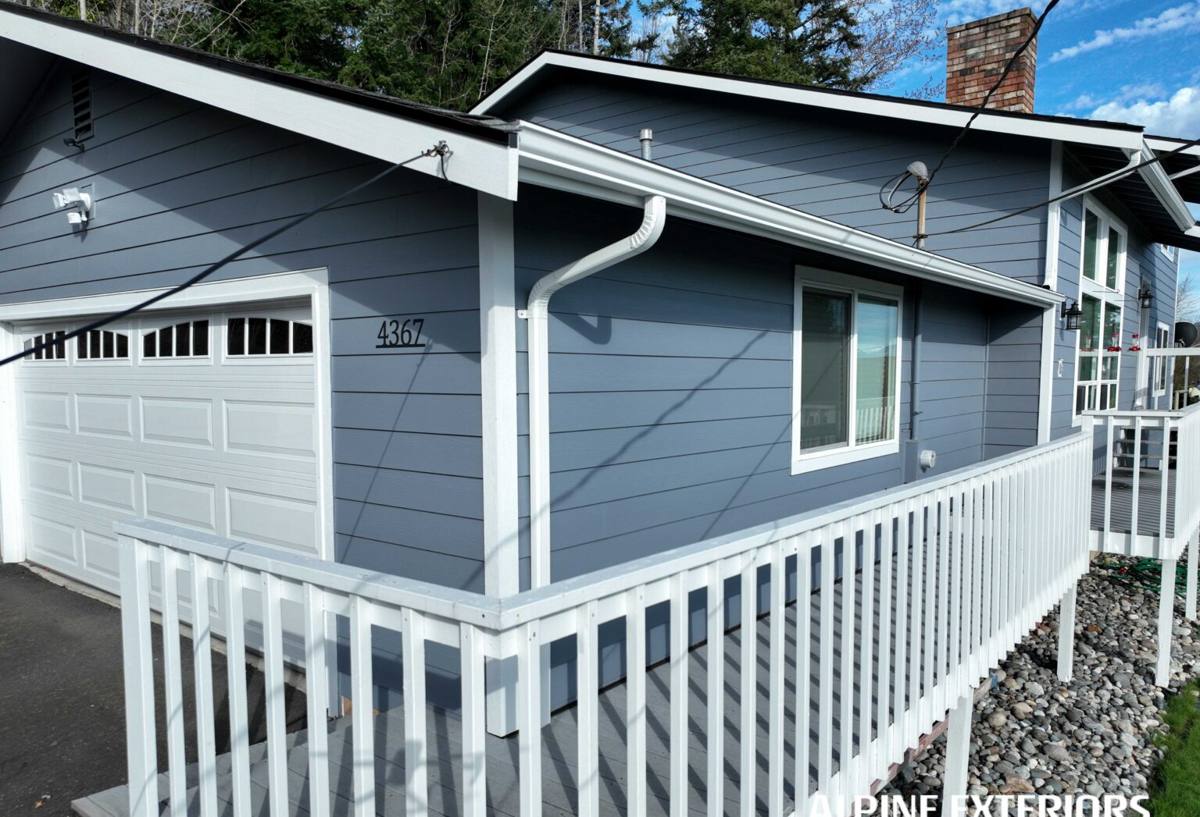
Salt air, UV, and wind-driven rain don't stop at the roofline — they affect the whole exterior of a coastal home. Siding on a beachfront property faces the same corrosion and fading pressures as roofing material, and material choice matters for the same reasons. Windows on the beach side of a home take direct salt spray and need weatherstripping and glazing that can handle both UV and moisture without breaking down early. Decks and outdoor living spaces, especially anything close to the water, need fasteners and materials chosen with the same corrosion resistance in mind as the roof, or they'll show rust and deterioration within a few seasons. We handle all four — roofing, siding, windows, and decks — as one exterior system, which lets us flag issues in one area, like a leaking roof edge affecting nearby siding, before they turn into a bigger repair.
What to Expect When You Work With Us
Every project starts with a straightforward inspection and an honest conversation about what your roof actually needs versus what would just be nice to have. We explain material options in plain terms, including the real maintenance and lifespan trade-offs for a beachfront exposure, and we give a written estimate before any work begins. If your roof is being handled through an insurance claim after storm damage, we can walk you through documentation and scope so the process is clear from the start.
If you own a home or rental property on Clearwater Beach and want a straight answer about the condition of your roof, siding, windows, or deck, we're happy to take a look. Fill out the form below for a free, no-pressure estimate — there's no obligation, and you'll get an honest assessment either way.