 Clearwater Roofing
 Why Indian Rocks Beach Puts Extra Stress on Exterior Siding
Indian Rocks Beach sits on a narrow barrier island along the Pinellas County Gulf coast, and that location changes what a home's exterior has to survive. Homes here take on a combination most inland Florida properties never see at the same intensity: direct salt spray off the Gulf, sustained onshore wind, hurricane-force gusts during storm season, and some of the most intense year-round UV exposure in the country. Add wind-driven rain that gets forced sideways into wall assemblies during summer storms, and it's easy to see why siding that performs fine forty miles inland can fail early on the island.
Salt air is the quiet one. It doesn't announce itself the way a hurricane does, but airborne salt settles on every exterior surface, works into fasteners and seams, and accelerates corrosion and material breakdown over years of steady exposure. Combine that with UV that bakes finishes and wind that tests every joint, and Indian Rocks Beach becomes one of the toughest environments in the county for exterior products. Board and batten siding — with its vertical boards and narrow cover strips — has more seams and more exposed edges than a flat lap profile, which means the material choice and the installation detail matter even more here than on a standard house a few miles inland.
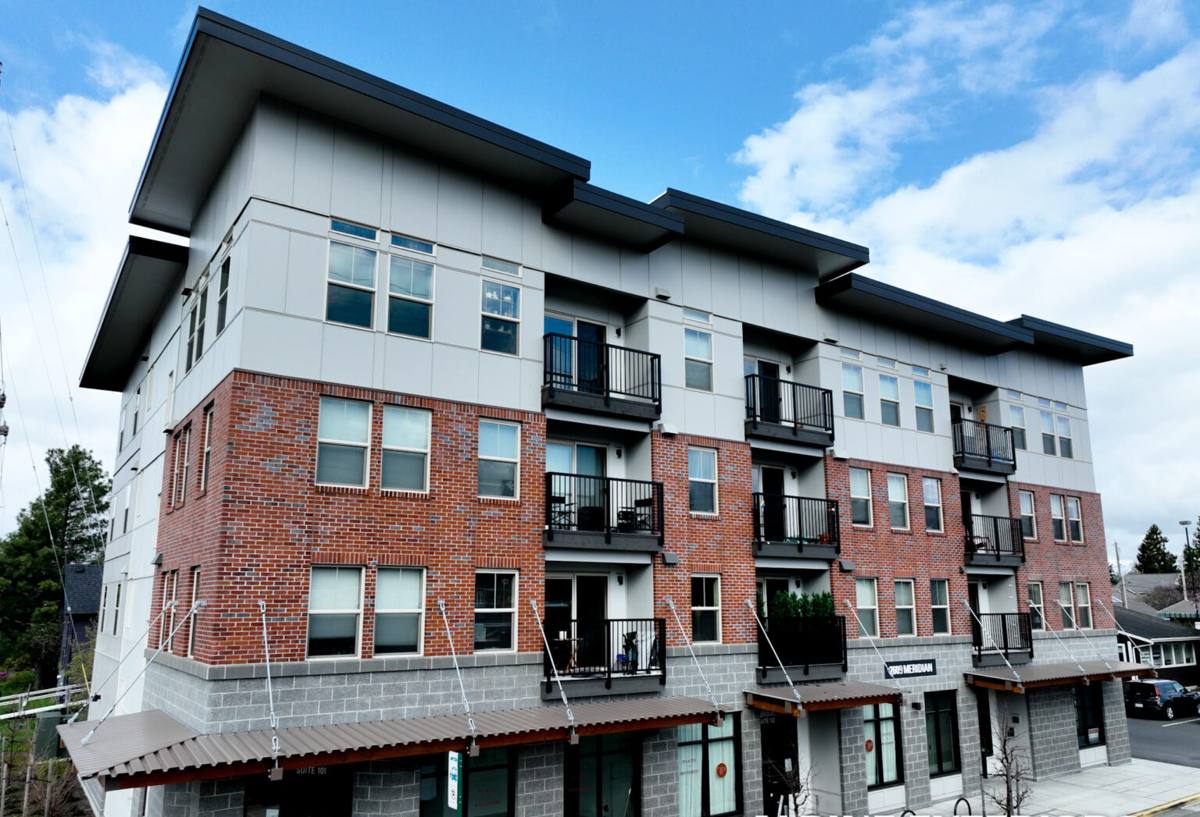
What Board & Batten Siding Is, and Why It Fits Beach Architecture
Board and batten is a vertical siding profile: wide flat panels or boards installed vertically, with narrower strips (battens) covering the seams between them. It's a classic look for coastal cottages, Florida bungalows, and beach-town homes, and it reads especially well on the kind of low-rise, breezy architecture common on the island — porches, dormers, gable accents, and mixed-material facades where board and batten is used to set off an entry, a garage, or an upper story against horizontal lap siding below.
The look is straightforward, but the physics behind it aren't. Every seam where a batten covers a board joint is a place water can find its way in if the assembly isn't built correctly. On a barrier island home taking wind-driven rain from multiple directions over the course of a storm, that seam count is exactly why board and batten deserves a contractor who treats it as a system, not just a decorative pattern nailed to the wall.
Where We See It Used Most in This Area
- Full exteriors on beach cottages and elevated coastal homes
- Accent gables, dormers, and second-story call-outs above horizontal lap siding
- Porch and entry surrounds where a distinct texture separates the entrance from the main facade
- Garage faces and street-facing elevations where curb appeal matters most
Why We Install James Hardie Board & Batten — and Nothing Else
We install James Hardie fiber cement exclusively. We don't install vinyl board and batten, LP SmartSide, Cemplank, Allura, or primed wood species like spruce or cedar. That's a deliberate standard, not a sales preference, and on a barrier island the reasoning is easy to explain in plain terms.
Vinyl board and batten is affordable and low-maintenance in mild climates, but it's a thin plastic product that softens and can deform in sustained high heat, and it becomes brittle with age under intense UV — both conditions Indian Rocks Beach delivers in volume. Wind performance is also a real concern: vinyl panels rely on loose-nail installation to allow for expansion, which limits how well they resist high wind pressure compared to a rigid, mechanically fastened material.
Wood-based products — whether traditional cedar or engineered wood siding like LP SmartSide — perform well when protected, but they're organic materials in a coastal climate that combines constant moisture exposure, salt, and heat. That combination is exactly what accelerates rot, swelling, and edge deterioration in wood siding, and vertical board and batten profiles have more raw seams and cut edges exposed to that moisture than a lap profile does. Other fiber cement brands make a reasonable product, but we standardized on James Hardie specifically because of its ColorPlus factory-applied finish, its HZ5 product engineering for high-humidity, high-UV climates like ours, and a transferable warranty structure we're comfortable standing behind on every home we touch — including the ones exposed to Gulf salt air every day of the year.
Fiber cement is non-combustible, doesn't support pest activity, and holds its shape and finish under UV and moisture cycling far better than vinyl or wood over a service life measured in decades, not years. On an island where the exterior takes a beating from three directions at once, that durability is the whole point.
What a Correct Board & Batten Installation Involves
Board and batten looks simple from the street, but the installation detail underneath determines whether it lasts. A handful of things separate a job that holds up on Indian Rocks Beach from one that starts failing at the seams within a few storm seasons.
Weather-Resistive Barrier and Drainage Plane
Every Hardie installation starts with a continuous weather-resistive barrier behind the panels, with a drainage plane that lets any moisture that does get past the siding find its way back out instead of sitting against the sheathing. On a coastal home taking wind-driven rain regularly, this layer is doing as much work as the siding itself.
Panel and Batten Fastening
James Hardie specifies fastener type, spacing, and embedment for coastal and high-wind applications, and those specs exist for a reason — under-fastened or incorrectly spaced panels are one of the most common causes of siding failure in a hurricane. Battens need to be fastened independently into framing, not just decoratively applied over the board joint, so the covering strip actually protects the seam under wind pressure.
Flush Seams and Flashing
Every horizontal butt joint, every window and door transition, and every inside and outside corner needs proper flashing and correct clearances — Hardie's install guides specify minimum gaps from roofing, decking, and grade for good reason. Skipping these details is invisible on install day and shows up as water intrusion two or three years later.
Caulking and Finish Details
Board and batten depends on quality sealant at the right joints — not everywhere, since over-caulking can trap moisture rather than shed it. Knowing which seams get sealed and which are designed to drain is a detail that separates an experienced fiber cement crew from a general contractor doing it occasionally.
| Install Element | Why It Matters on Indian Rocks Beach |
|---|---|
| Weather-resistive barrier | Manages wind-driven rain that gets forced past the outer surface during storms |
| Fastener spec and embedment | Directly affects wind uplift resistance during tropical storms and hurricanes |
| Corrosion-resistant fasteners | Salt air accelerates corrosion of standard fasteners over time |
| Correct clearances from grade/roofing | Reduces standing moisture exposure at the most vulnerable panel edges |
| ColorPlus factory finish | Holds color and surface integrity under sustained, high-intensity UV |
Our Process for Indian Rocks Beach Projects
We start with an on-site assessment of the existing siding or sheathing, checking for any hidden moisture damage before we ever talk product or price — on an older beach home, what's under the current siding matters as much as what goes on top of it. From there we walk through where board and batten makes sense on the house, whether that's a full exterior or an accent application paired with horizontal lap siding, and we spec the James Hardie panel size, batten reveal, and ColorPlus color that fits the home.
Installation follows Hardie's coastal and high-wind fastening requirements as a baseline, not an upgrade — that's simply the standard we build to on every barrier island home, whether the storm season is active or not. We handle tear-off, barrier and flashing work, panel and batten installation, and final detailing as one coordinated job, and we walk the finished exterior with the homeowner before we consider the project done.
Maintenance in a Salt-Air Environment
James Hardie siding is low-maintenance compared to wood or vinyl, but "low-maintenance" isn't "no-maintenance" on a barrier island. A simple annual rinse to clear accumulated salt residue off the surface goes a long way toward protecting the ColorPlus finish and keeping fastener heads and trim details from becoming a problem later. Homeowners should also do a quick visual check after major storms — looking for any lifted battens, cracked caulk joints, or panel damage from wind-blown debris — and have anything unusual looked at before the next rain event rather than after.
What to Check Before Hiring a Board & Batten Contractor Here
- Do they install to James Hardie's published fastening and clearance specs for coastal/high-wind zones, not just "standard" spec?
- Will they show you the weather-resistive barrier and flashing details before panels go up, not just the finished exterior?
- Do they have experience with vertical board and batten specifically, not just horizontal lap siding?
- Are they using corrosion-resistant fasteners appropriate for salt-air exposure?
- Can they explain which seams get caulked and which are designed to drain, rather than sealing everything by default?
- Do they pull the required local permits for exterior siding work rather than skipping the paperwork?
Cost Factors for Board & Batten on the Island
Every home is different, but a few factors consistently move the price on Indian Rocks Beach projects: how much of the exterior gets board and batten versus an accent application, whether tear-off reveals sheathing damage that needs repair before new siding goes on, panel and batten configuration, and site access on narrow island lots. We give a firm, itemized number after the on-site assessment rather than guessing over the phone, since the condition behind the existing siding is often the biggest swing factor on an older coastal home.
Ready for an Honest Look at Your Home
If you're weighing board and batten for a home in Indian Rocks Beach, we're glad to come take a look, walk you through what James Hardie's coastal-rated products involve, and give you a straight answer on what your specific house needs. Request a free, no-pressure estimate below and we'll schedule a time to assess your exterior in person.