 Clearwater Roofing
 Why Siding Repair Looks Different in Belleair Bluffs
Belleair Bluffs sits on one of the higher, older residential stretches of Pinellas County, close enough to Clearwater Harbor and the Intracoastal Waterway that salt-laden air is a constant, low-grade stressor on every exterior surface in the neighborhood. Add in the rest of the West Central Florida climate package — hurricane-force wind events, sustained wind-driven rain, and some of the most intense year-round UV exposure in the continental United States — and siding here ages on a faster, harsher timeline than the same product would inland. That combination is exactly why "siding repair" in this part of Clearwater is rarely as simple as swapping a cracked board. The damage is usually a symptom, and the cause is almost always weather.
A repair done without accounting for that context tends to fail again within a few seasons. A repair done correctly accounts for how wind, water, sun, and salt actually move across a Belleair Bluffs home and addresses the underlying exposure, not just the visible crack or gap.
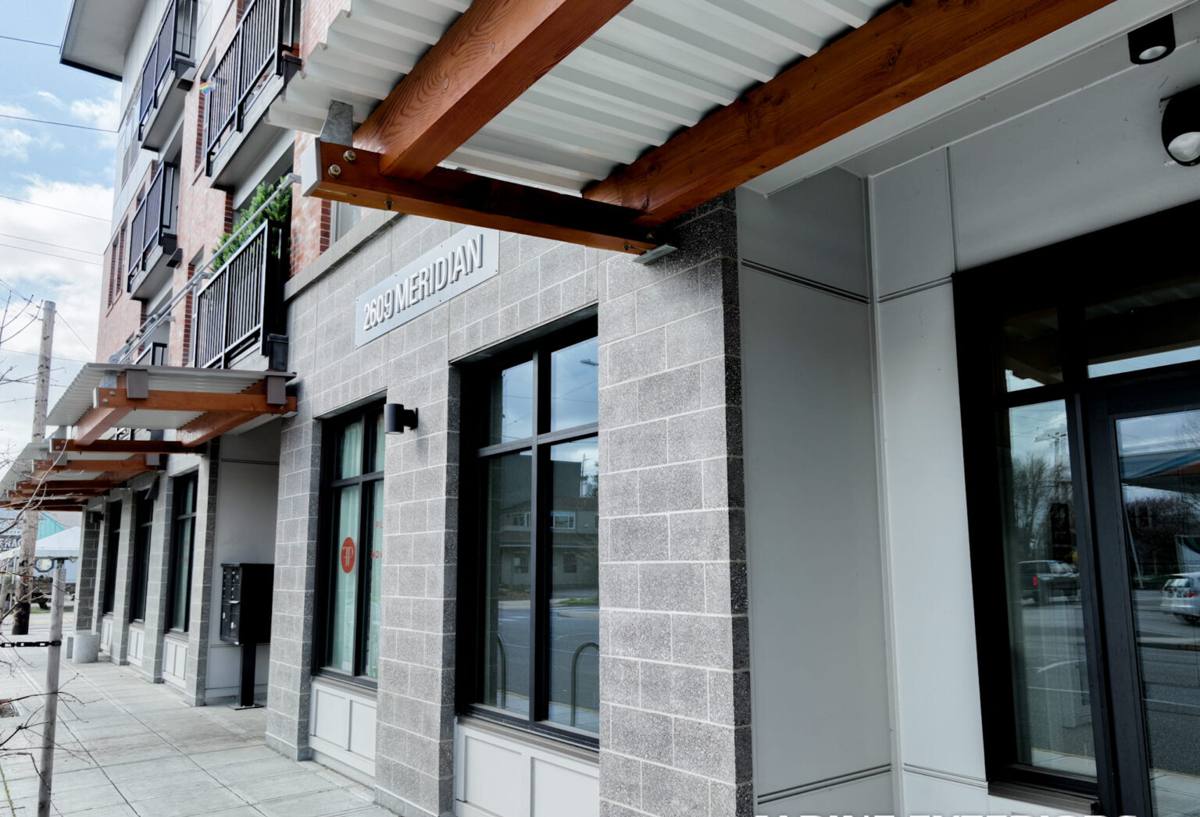
Common Siding Damage We See in This Area
Every coastal Pinellas neighborhood has its own damage signature based on tree cover, elevation, and prevailing wind exposure. In Belleair Bluffs, the patterns we run into most often include:
- Cracking and splitting at butt joints and panel edges, usually from repeated wet-dry cycling driven by wind-driven rain followed by intense sun.
- Buckling or warping on older siding materials that were never rated for this level of humidity and heat swing.
- Impact damage from wind-borne debris during named storms and seasonal thunderstorm squalls — dings, punctures, and knocked-loose panels.
- Chalking and color fade on sun-facing elevations from cumulative UV exposure.
- Soft or spongy spots around trim, corners, and penetrations (hose bibs, vents, light fixtures) where water has been finding its way behind the siding rather than shedding off it.
- Corrosion staining near fasteners and metal trim, a side effect of salt air accelerating oxidation on anything not properly rated for coastal exposure.
The last two items on that list are the ones that matter most, because they usually mean the problem isn't the siding itself — it's what's happening behind it.
What a Correct Siding Repair Actually Involves
It starts behind the siding, not on top of it
Anyone can screw a replacement panel over a damaged section and call it done. A correct repair starts with pulling back the damaged area and looking at the water-resistive barrier, flashing, and sheathing underneath. If moisture has been getting behind the siding — which is common in wind-driven rain events common to this part of the Gulf coast — patching over it just seals the problem in and lets it keep working on the framing.
Matching material and method, not just color
A repair also has to match the performance characteristics of what's already on the wall, not just the paint color. Mixing incompatible materials, fastener types, or installation methods at a repair seam creates a new weak point — often right where the old one was.
Proper water management, every time
Correct flashing and drainage detailing at every seam, corner, and penetration is non-negotiable in a climate that delivers both intense UV and heavy wind-driven rain in the same week. A repair that looks clean but skips proper house-wrap integration and flashing laps is a repair that will need to be redone.
Repair vs. Replace: How We Make the Call
Not every damaged section needs full replacement, but not every repair is worth doing either. Here's how we generally think through it:
| Situation | Usual Recommendation | Why |
|---|---|---|
| Isolated impact damage, sound material elsewhere | Targeted repair | The rest of the siding is performing fine; no reason to replace what isn't failing |
| Moisture intrusion found behind more than one area | Broader repair or partial replacement | Isolated patches won't address a systemic water-management problem |
| Widespread buckling, chalking, or fastener corrosion across most elevations | Full replacement | The material has reached the end of its usable life; repairs would be short-term fixes on a failing system |
| Older non-fiber-cement product (vinyl, LP SmartSide, primed wood) with recurring issues | Case-by-case, often replacement | Some legacy materials are difficult to repair invisibly or durably; replacement with a better-suited product is often the more honest long-term answer |
Why We Repair and Replace With James Hardie Fiber Cement
When we do repair work, we use James Hardie fiber cement products — the same material line we install on every full siding replacement we do. That's a deliberate standard, not a default. We don't install vinyl, LP SmartSide, Cemplank, Allura, or primed spruce or cedar siding, and we're upfront about why: those products each carry real trade-offs in moisture behavior, installation sensitivity, or long-term maintenance that we've decided aren't worth putting on a home in this climate.
Hardie fiber cement is non-combustible, dimensionally stable in heat and humidity swings, and available in HZ5 formulations engineered specifically for high-humidity, storm-prone climates like ours. The factory-applied ColorPlus finish resists the UV fading and chalking that plagues field-painted siding in Florida sun, and Hardie backs the product with a strong, transferable warranty when it's installed to spec. When we repair a section of existing Hardie siding, we can match it cleanly because it's the same manufacturer and product line we already know inside and out. When we're asked to patch a different material, we'll tell you honestly what we think that repair will and won't hold up to — and where full replacement with Hardie is the better long-term move.
Our Siding Repair Process in Belleair Bluffs
- Inspection. We look at the damaged area and the surrounding siding, plus trim, flashing, and any penetrations nearby — not just the spot you called about.
- Diagnosis. If there's any sign of moisture intrusion, we open up the area enough to confirm what's happening behind the siding before quoting a fix.
- Written scope. You get a clear explanation of what's damaged, why, and what we recommend — repair, partial replacement, or full replacement — with the reasoning laid out plainly.
- Repair or replacement. Matching Hardie material, correct fastening, and proper flashing and water-resistive barrier detailing at every seam.
- Cleanup and walkthrough. We walk the finished work with you before we consider the job done.
Why Hiring a Crew That Already Works This Area Matters
A contractor who regularly works Belleair Bluffs and the surrounding Clearwater and Pinellas County neighborhoods already understands the wind-load and building code requirements that apply to homes this close to the coast, and doesn't need a learning curve to get the permitting and inspection process right. Just as important, they've already seen how salt air, sun exposure, and storm wind patterns specific to this stretch of coastline actually affect siding over years, not just in a showroom brochure. That local pattern-recognition is what separates a repair that's diagnosed correctly from one that's just patched and hoped for the best.
Maintenance Checklist to Protect Your Siding After Repair
Once a repair is done right, a little routine attention goes a long way toward keeping it that way in this climate:
- Rinse salt residue and grime off siding a few times a year, especially on elevations facing open water or prevailing wind.
- Walk the exterior after any significant storm and look for loose panels, new cracks, or displaced trim.
- Keep an eye on caulking and sealant at trim joints and penetrations — it's usually the first thing to fail under UV exposure.
- Trim back vegetation and irrigation spray that keeps siding damp longer than it should be.
- Address small cracks or soft spots promptly rather than waiting for the next storm season to make them worse.
- Have your siding looked at periodically by someone who knows what moisture intrusion looks like before it shows up as visible damage.
Cost Factors in Siding Repair
Every repair is different, but the main variables that drive cost are consistent across most Belleair Bluffs projects:
| Factor | Why It Matters |
|---|---|
| Extent of moisture damage behind the siding | Hidden rot or sheathing damage adds scope beyond the visible repair area |
| Accessibility | Second-story or hard-to-reach elevations take more time and equipment |
| Material match | Matching an existing Hardie profile and color is more efficient than sourcing an unfamiliar legacy product |
| Number of affected areas | Isolated damage costs less than repairs spread across multiple elevations |
| Trim and flashing scope | Correct water management sometimes requires more than the siding panels themselves |
We don't quote broad, made-up price ranges over the phone — every Belleair Bluffs home and every repair scope is different, and an accurate number requires an actual inspection.
If you're seeing cracked, buckled, or water-stained siding on your Belleair Bluffs home, we're happy to take a look and give you an honest read on what's going on and what it'll take to fix it right. Reach out below for a free, no-pressure estimate.