 Clearwater Roofing
 Why Belleair Bluffs Homes Put Extra Demands on a Roof
Belleair Bluffs sits on one of the higher points along the Pinellas County coastline, with a mix of older mid-century homes and newer renovations packed into a small, tightly built community close to the Intracoastal. That elevation and proximity to open water is part of what makes the area desirable, but it also means roofs here take a harder hit from wind and salt-laden air than homes further inland. A roof that performs fine in a landlocked suburb can wear out years early once it's exposed to what Belleair Bluffs sees on a regular basis.
Metal roofing has become a popular answer for homeowners in this part of Clearwater and Pinellas County who are tired of replacing shingles every decade or patching wind damage after every named storm. It isn't the right fit for every house or every budget, but when it's installed correctly, it's one of the more durable options available for coastal Florida.
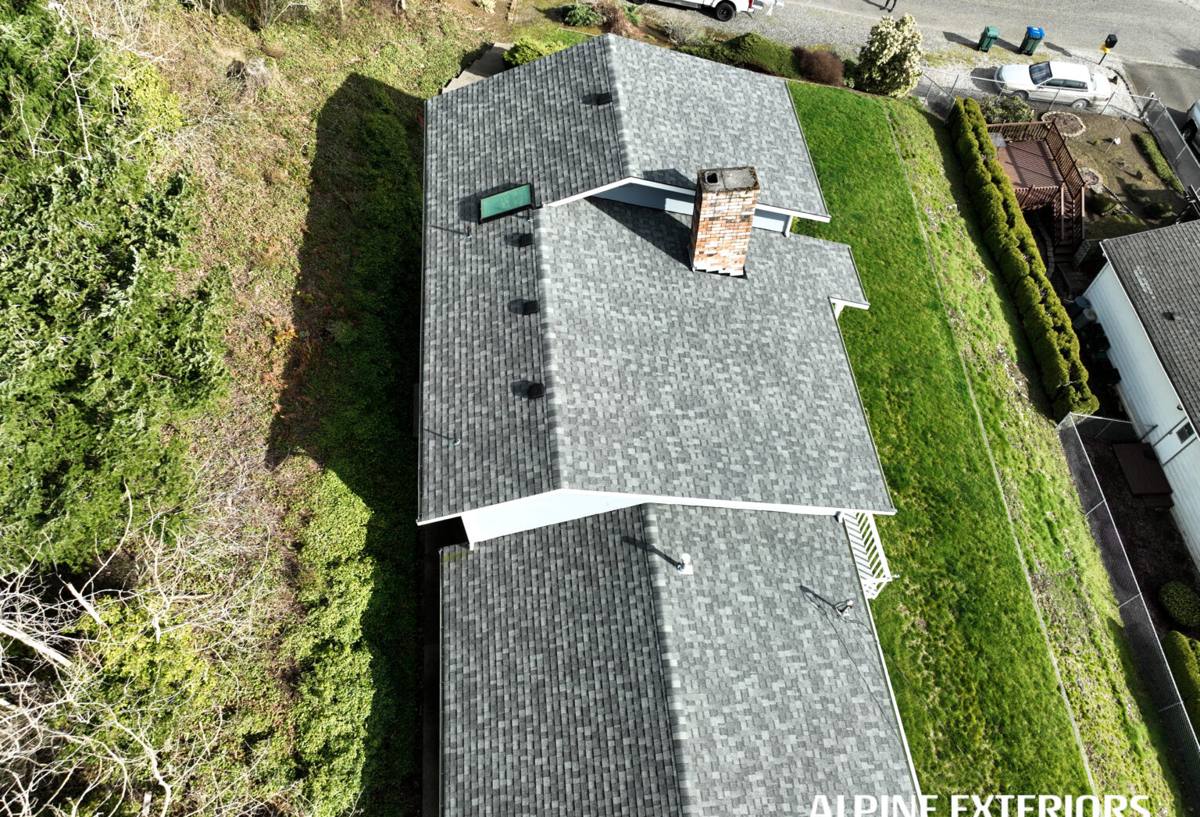
What Year-Round Sun, Salt Air, and Wind Actually Do to a Roof
It helps to understand the specific stresses a roof faces here, because they shape almost every decision in a metal roofing project.
- UV exposure: Florida's sun is intense for most of the year, and constant UV breaks down asphalt shingles' oils and granules faster than in most other regions, leading to cracking and premature aging.
- Wind-driven rain: During tropical storms and hurricanes, rain doesn't just fall — it's pushed sideways and upward under roof edges and fasteners, finding any weak seam or gap.
- Salt air corrosion: Being close to the water means airborne salt settles on roofing materials and metal components continuously, which accelerates corrosion on fasteners, flashing, and lower-grade metals if they aren't rated for coastal exposure.
- Sustained hurricane-force wind: Uplift at eaves, ridges, and rakes is the number one cause of roof failure in storms, and it's a function of how the roofing material is fastened, not just how heavy or thick it is.
None of these factors act alone — they compound. A roof with marginal fastening might survive UV aging fine and hold up in a normal thunderstorm, but fail during a wind event specifically because salt air had already weakened its fasteners over several years.
Choosing the Right Metal Panel for a Coastal Home
"Metal roofing" covers a range of products, and the right choice depends on the home's roof pitch, budget, and how much the owner wants to spend on long-term upkeep. We walk Belleair Bluffs homeowners through the trade-offs honestly rather than pushing whatever is easiest to install.
Standing Seam vs. Exposed Fastener vs. Metal Shingle
| Panel Type | Appearance | Wind & Water Performance | Maintenance | Best For |
|---|---|---|---|---|
| Standing Seam | Clean vertical lines, concealed fasteners | Strongest — fasteners are hidden and protected from direct weather | Low; occasional inspection of seams and flashing | Homes wanting the highest wind and leak resistance |
| Exposed Fastener Panel | Ribbed, more traditional metal look | Good, but fastener washers can degrade over time and need rechecking | Moderate; fasteners should be inspected periodically | Budget-conscious projects, outbuildings, some roof styles |
| Metal Shingle/Tile Profile | Mimics shingle or tile appearance | Solid performance, interlocking design resists uplift | Low to moderate | Homeowners wanting a traditional look with metal durability |
For most homes this close to the water, we lean toward standing seam because the fasteners are never exposed to direct sun, rain, or salt spray — they're tucked under the seam itself, which matters a great deal over a 30-plus-year service life. Exposed fastener panels can still be a sound, more affordable option, but they require more diligence in maintenance because that's exactly where corrosion and leaks tend to start first.
What a Correct Metal Roof Installation Involves
The panels themselves get most of the attention, but the parts homeowners can't see are what actually determine whether a metal roof performs the way it's supposed to.
Deck Prep and Underlayment
Before any metal goes down, the existing roof deck gets inspected for soft spots, rot, or delamination — especially important on older Belleair Bluffs homes where decking may not have been touched in decades. A high-temperature synthetic or self-adhered underlayment is installed as a secondary water barrier, which matters enormously during wind-driven rain events when water can get pushed under panel seams.
Fastening and Flashing
Every fastener, clip, and flashing detail needs to be rated for coastal use — stainless steel or coated fasteners designed to resist salt corrosion, not generic hardware. Flashing around penetrations (vents, chimneys, skylights) and at valleys, eaves, and rakes is where the vast majority of roof leaks originate, so this is not an area to rush or shortcut.
Ventilation
Metal roofs need proper attic ventilation to perform well and to protect the manufacturer's warranty. Without it, heat and moisture can build up in the attic space, which shortens the life of the decking and undermines the very durability the metal roof is supposed to provide.
Our Process for a Belleair Bluffs Metal Roof
We keep the process straightforward and communicate at each stage, since a roof replacement is disruptive enough without surprises.
- On-site inspection: We assess the current roof, deck condition, ventilation, and any problem areas specific to the home before recommending a system.
- Material and panel selection: We go over panel types, finishes, and wind ratings so the homeowner understands the trade-offs, not just the price tag.
- Permitting: We handle the permit process through the building department with jurisdiction over Belleair Bluffs before any work begins.
- Tear-off and deck repair: Old roofing is removed and the deck is repaired or replaced where needed — this step gets skipped by corner-cutting crews and it shouldn't be.
- Underlayment, panel, and flashing installation: Installed to manufacturer specifications and current Florida Building Code wind requirements.
- Final walkthrough: We inspect the completed roof with the homeowner and clean the property of debris and fasteners before we consider the job done.
Wind Ratings, Permits, and Florida Building Code
Pinellas County falls within a high-velocity wind zone under the Florida Building Code, which sets minimum wind uplift and fastening standards for roofing materials — these requirements exist because of exactly the kind of hurricane exposure this stretch of coastline sees. A correctly installed metal roof should meet or exceed those requirements, and the permitting and inspection process is there to verify that fastening, underlayment, and flashing were done to code, not just that panels were installed.
Because Belleair Bluffs is a small, densely built community, roofing work here also tends to involve closer coordination with neighbors, tighter setbacks, and sometimes limited staging space compared to larger subdivisions further inland. A crew unfamiliar with these conditions can slow a project down considerably.
Living With a Metal Roof in Pinellas County
One of the appeals of metal roofing in this climate is how little routine maintenance it needs compared to shingles, but "low maintenance" doesn't mean "no maintenance," especially this close to the Gulf.
- Rinse accumulated salt residue and debris off the roof periodically, particularly after dry spells followed by storms.
- Have fasteners and sealant points on exposed-fastener systems checked every few years.
- Clear overhanging tree debris and organic buildup in valleys to prevent moisture retention.
- Schedule a post-storm inspection after any major wind event, even if there's no visible damage from the ground.
Done consistently, this kind of upkeep is minor compared to what asphalt shingle roofs typically require in the same environment, and it goes a long way toward protecting the manufacturer's warranty on the panels and coatings.
Why Local Experience in Belleair Bluffs Matters
Roofing crews who haven't worked this specific pocket of the Clearwater coastline often underestimate how much the wind exposure, salt air, and tight lot layouts change the job. A contractor who regularly works in Belleair Bluffs already knows which fastening details hold up here, how to stage material and equipment on narrow streets and smaller lots, and what the local permitting process actually requires — instead of learning it for the first time on your roof. That familiarity translates into fewer surprises, fewer callbacks, and a roof system that's actually built for the conditions it will face, not a generic installation dropped into a coastal environment.
Is Metal Roofing Right for Your Belleair Bluffs Home?
Metal roofing isn't automatically the right choice for every home or every homeowner. Before deciding, it's worth thinking through the following:
- How long do you plan to stay in the home — metal's upfront cost pays off most clearly over a longer ownership horizon.
- What's your roof's current pitch and structure — some profiles suit certain panel types better than others.
- Are you replacing an aging shingle roof reactively, or planning ahead of storm season?
- Do you want the lowest possible long-term maintenance, or are you comfortable with periodic upkeep in exchange for a lower upfront cost?
- Has your current roof shown signs of wind or water damage after past storms that a metal system would address?
If you're weighing metal roofing for a home in Belleair Bluffs or elsewhere in the Clearwater area, we're happy to walk the roof with you, answer questions honestly, and put together a free, no-pressure estimate using the form below.