 Clearwater Roofing
 Siding in Belleair Bluffs Has to Work Harder Than It Does Almost Anywhere Else
Belleair Bluffs is a small community tucked into the Pinellas County coastal corridor, close enough to open water that its homes take a steady beating from conditions most of the country never has to design around. Between hurricane-force wind events, near-constant UV exposure, wind-driven rain that gets pushed sideways into wall assemblies, and salt-laden air drifting in off the Gulf, exterior siding here ages faster and fails differently than siding installed fifty miles inland. A product and installation approach that's perfectly fine in a drier, calmer climate can start showing problems in Belleair Bluffs within a few years.
That's the reason we treat siding replacement in this neighborhood as a climate-engineering decision, not just a cosmetic upgrade. The material has to resist moisture intrusion, the fasteners and flashing details have to hold up under repeated wind loading, and the finish has to survive UV breakdown without chalking, fading, or letting moisture behind it. Get any one of those wrong and the siding becomes a maintenance headache instead of a twenty- or thirty-year investment.
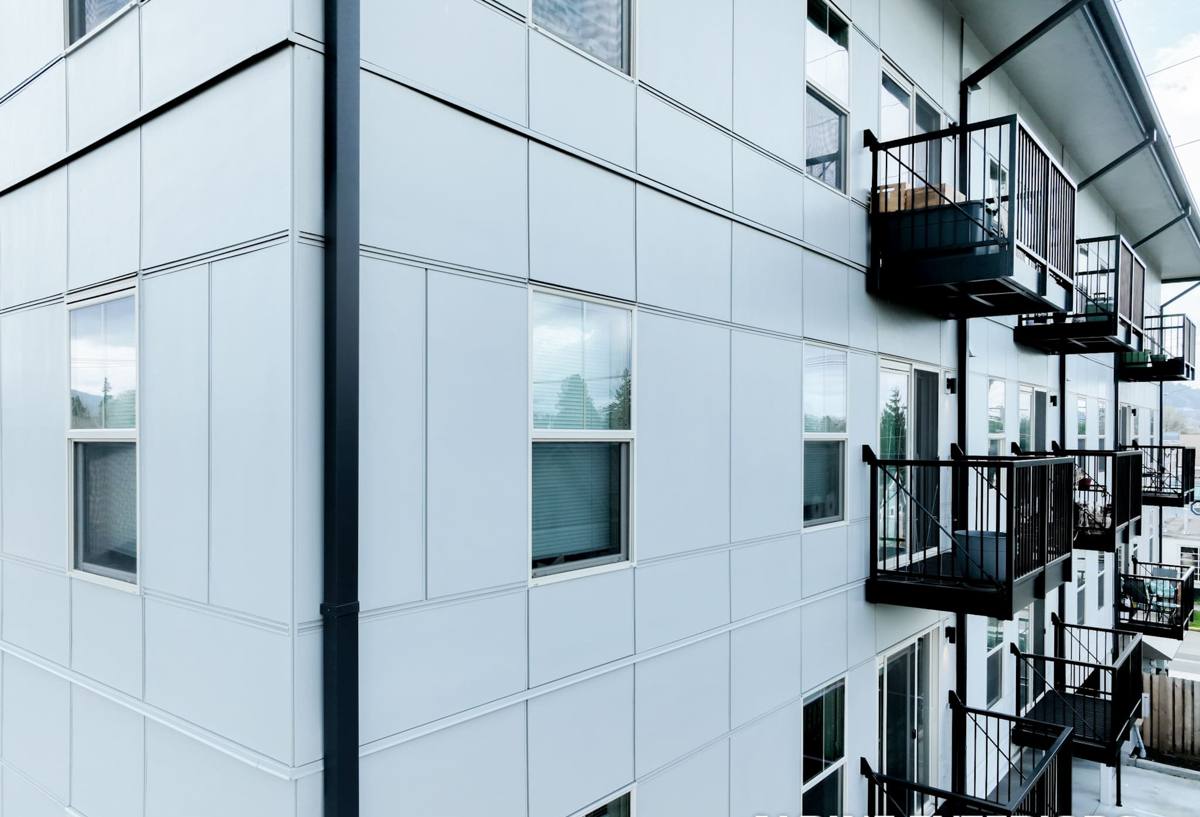
What Belleair Bluffs Homes Specifically Need From Their Siding
Wind Resistance That Doesn't Rely on the Siding Alone
Hurricane and tropical-storm wind events don't just push against siding — they create pressure differentials that try to pull panels and boards away from the wall. Correct installation means fastening patterns, panel overlap, and starter strip details that are matched to the wind exposure category for this part of Pinellas County, not just whatever the manufacturer's minimum spec allows.
Moisture Management Behind the Cladding
Wind-driven rain in this area doesn't fall straight down — it gets driven horizontally into wall assemblies during storms, which means the water-resistive barrier, flashing at windows and doors, and drainage plane behind the siding matter as much as the siding itself. A house can have attractive new siding on the outside and still develop rot and mold behind it if that drainage layer was rushed or skipped.
UV and Salt Air Durability
Florida sun is intense and relentless year-round, and salt air accelerates corrosion of fasteners and degrades lesser finishes faster than in inland climates. Siding here needs a finish that's factory-cured to resist UV fading and chalking, and hardware that's rated for coastal exposure rather than standard interior-grade fasteners.
Why We Only Install James Hardie Fiber Cement Siding
We made a deliberate decision years ago to standardize on James Hardie fiber cement and stop installing vinyl, LP SmartSide, Cemplank, Allura, or unfinished wood products like primed spruce or cedar. That's not a marketing position — it's a reflection of what actually holds up under the specific combination of wind, sun, rain, and salt air that Belleair Bluffs and the rest of coastal Pinellas County deal with every year.
James Hardie's fiber cement is non-combustible, dimensionally stable in humidity swings, and available in HZ product lines engineered for exactly this kind of climate. The ColorPlus factory finish is baked on and warrantied against fading and peeling in a way that field-applied paint on wood or lesser composites can't match. We're not saying every alternative product is unusable everywhere — we're saying that for what this coastline throws at a house, we no longer think the trade-offs of those other materials are worth it, and we'd rather stand behind one system we trust completely.
How Siding Materials Compare for This Climate
| Factor | Vinyl Siding | Wood / LP SmartSide | James Hardie Fiber Cement |
|---|---|---|---|
| Wind resistance | Can crack, warp, or blow off in high wind events | Holds up structurally but fasteners and seams need vigilant maintenance | Engineered HZ lines rated for high-wind coastal exposure |
| Moisture behavior | Doesn't absorb water but seams can trap it against the wall | Wood-based core is vulnerable to swelling and rot if moisture gets in | Fiber cement resists moisture-driven swelling and rot |
| UV / fade resistance | Can chalk and fade, especially darker colors | Field-applied paint needs recoating on a regular cycle | Factory ColorPlus finish resists fading and chalking for years |
| Fire resistance | Combustible, can melt or deform near heat sources | Combustible wood-based material | Non-combustible fiber cement |
| Salt air / corrosion | Panel material is fine, but standard fasteners can corrode | Vulnerable to rot acceleration near salt air | Installed with coastal-rated fasteners for corrosion resistance |
| Long-term maintenance | Low but limited lifespan in harsh sun and wind | Higher — repainting, caulking, and moisture checks needed regularly | Low — periodic caulk and paint touch-up, no structural repainting |
What a Correct Fiber Cement Siding Job Actually Involves
Tear-Off and Substrate Inspection
Before any new siding goes up, the old cladding comes off and the wall sheathing gets inspected for hidden rot, moisture damage, or prior repairs that were never done correctly. Skipping this step is one of the most common ways a siding job fails early — new siding over a compromised substrate just hides the problem for a while longer.
Water-Resistive Barrier and Flashing
A new weather-resistive barrier is installed with proper overlap and sealed penetrations, and flashing is integrated at every window, door, and roof-to-wall transition. This is the layer that actually keeps wind-driven rain out of the wall assembly — the siding on top of it is the second line of defense, not the only one.
Fastening and Panel Installation
James Hardie panels and boards are installed following the fastening schedule appropriate for the wind exposure at this address, with corrosion-resistant fasteners driven to the correct depth. Overdriven or underdriven fasteners are one of the most common installation defects we see on prior siding jobs, and both cause long-term problems.
Caulking, Trim, and Finish Details
Joints, trim intersections, and penetrations are sealed with a caulk rated for exterior movement and UV exposure, and factory-finished panels are handled and cut according to manufacturer specifications to preserve the warranty. Field-cut edges get properly sealed rather than left exposed to moisture.
Our Process for Belleair Bluffs Projects
- On-site assessment of the existing siding, substrate condition, and wind exposure for the specific property
- Written scope and material plan specifying the correct James Hardie product line and profile for the home
- Tear-off and substrate repair where needed, documented before new materials go on
- Installation of the water-resistive barrier, flashing, and fiber cement siding per manufacturer and wind-zone specifications
- Final walk-through inspection covering fastening, sealing, and finish quality before the job is considered complete
What to Look for in a Properly Installed Job
- Consistent, correctly spaced fastener lines with no visible overdriving or popped nails
- Tight, uniform caulk lines at joints and trim with no gaps
- Flashing visible and properly lapped at windows, doors, and roof intersections
- No exposed, unsealed cut edges on factory-finished panels
- Consistent color and sheen across all panels, with no mismatched batches
- Clear documentation of the product line, warranty terms, and installer certification
Why Hiring a Crew That Already Works in Belleair Bluffs Matters
Siding installation isn't just about the product — it's about whether the crew understands the specific wind exposure, permitting expectations, and inspection standards that apply in this part of Pinellas County. A crew that primarily works inland, or in a different climate zone altogether, may default to installation practices that meet minimum code elsewhere but fall short of what a Gulf-adjacent property in Clearwater and the surrounding coastal communities actually needs.
Local experience also means fewer surprises during permitting and inspection, because the crew already understands what inspectors in this area are looking for on a wind-rated exterior job. That familiarity translates directly into fewer callbacks and a tighter, more weather-resistant result the first time.
Maintenance and Longevity in a Coastal Climate
Even the best siding installation benefits from periodic attention in a climate like this. Caulk joints should be checked every couple of years for cracking or separation, and the exterior should be rinsed periodically to clear salt residue and organic buildup that can dull the finish over time. James Hardie's ColorPlus finish is designed to minimize repainting, but it's not maintenance-free — an occasional inspection after major storms catches small issues, like a lifted trim piece or a compromised seal, before they turn into moisture problems behind the wall.
If you're weighing a siding replacement for a home in Belleair Bluffs, we're happy to walk the property, look at what's there now, and talk through what correct installation looks like for your specific exposure. There's no pressure and no obligation — just a straightforward look at what your home actually needs. Use the form below to request a free estimate.