 Clearwater Roofing
 New-Construction Windows: A Different Job Than a Simple Window Swap
"New-construction window" is a specific term, not just a marketing phrase. These units have a nailing fin (also called a flange) built around the perimeter of the frame, which gets fastened directly to the wall sheathing and integrated into the house wrap and flashing before stucco, siding, or trim goes back on. That's different from a pocket or "replacement" window, which slides into an existing frame that stays in the wall. New-construction windows are the right call for true new builds, additions, and any remodel where the old frame is being cut out down to the studs — which is common when a homeowner in Belleair Bluffs is dealing with old, water-damaged, or undersized window openings that need to be corrected rather than covered up.
Because the frame comes out entirely, this approach gives us access to the rough opening itself. That matters more here than in most parts of the country, because the opening is where hidden water intrusion and structural problems usually start — and where they're cheapest to fix, if you catch them while the wall is open.
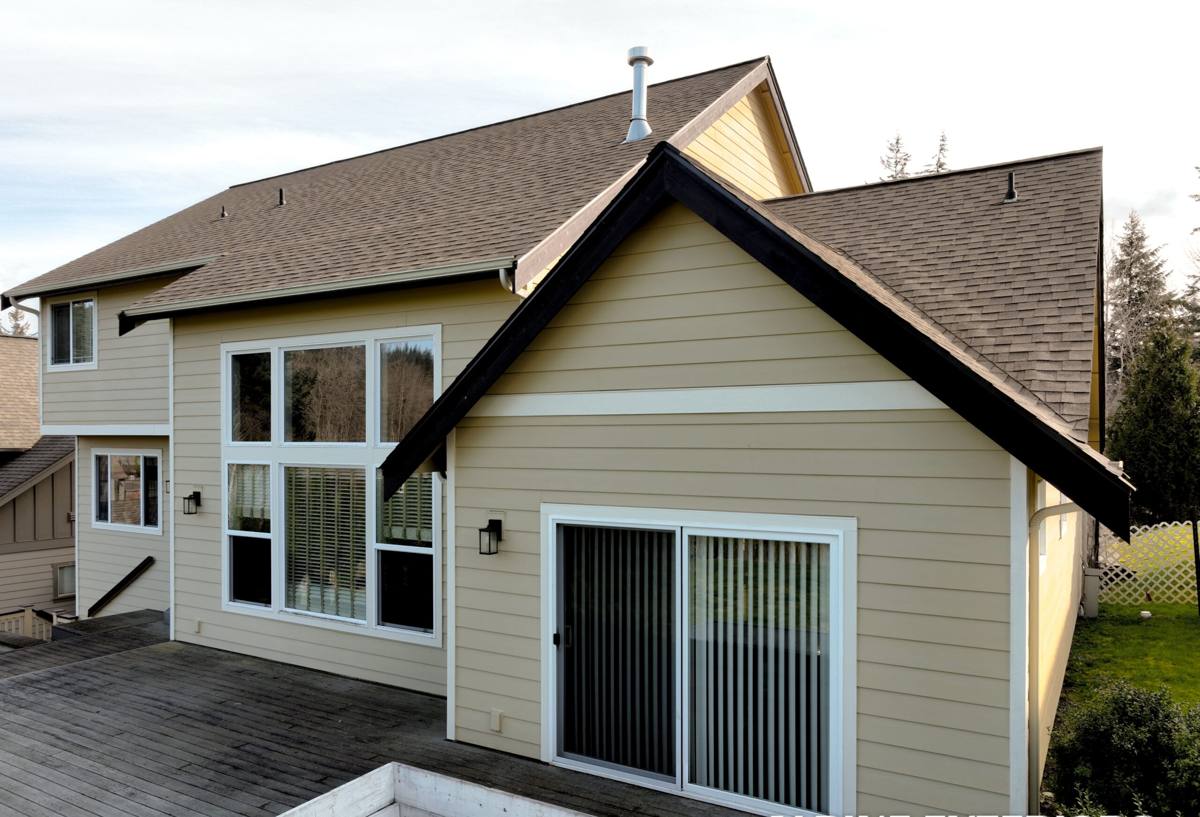
What Belleair Bluffs' Climate Actually Demands from a Window
Belleair Bluffs sits on elevated ground above Boca Ciega Bay in Pinellas County, which gives homes here some of the more exposed sightlines and wind exposure in the immediate Clearwater area. That exposure comes with real trade-offs for windows:
- Hurricane-force wind and windborne debris: Pinellas County sits within Florida's wind-borne debris region, so new windows need to meet specific design pressure and impact requirements, not just "look sturdy."
- Wind-driven rain: Tropical storms here rarely come straight down — rain gets pushed sideways into the wall assembly, which means flashing and sealant details matter as much as the window unit itself.
- Intense, near year-round UV: Florida sun degrades cheap vinyl, dries out lesser sealants, and fades interior finishes faster than in most of the country.
- Salt air: Being close to Boca Ciega Bay and the Gulf means airborne salt accelerates corrosion on hardware, screws, and lower-grade metal components.
A window that isn't rated and installed for these conditions doesn't just underperform — it becomes the weak point in the whole building envelope during the next serious storm.
Why This Matters More in a Bluff-Top or Waterview Setting
Homes with more open exposure toward the water tend to see higher sustained wind loads and more direct salt-laden air than homes tucked further inland. That's not a reason to over-spec every window on the house, but it is a reason to have an honest, opening-by-opening conversation about which elevations need the highest wind and impact rating and where a standard-rated unit is genuinely sufficient.
Florida Building Code and Pinellas County Requirements
Every new-construction window installed in this area has to meet the Florida Building Code's wind load and impact provisions for the wind-borne debris region, which covers Pinellas County. In practice, that means:
- The window itself must carry a valid Florida product approval (or Miami-Dade Notice of Acceptance) rated for the specific design pressure of that wall opening — not just a generic "hurricane-rated" label.
- The installation has to be permitted and inspected by the local building department, which will check anchoring, flashing, and fastening against the manufacturer's approved installation instructions.
- Design pressures aren't uniform across a house — corner openings and upper floors typically see higher wind loads than a sheltered ground-floor opening, so the correct-rated product can vary window to window.
Skipping or fudging any of this doesn't just risk a failed inspection. It can affect your homeowner's insurance eligibility for wind mitigation credits and create real problems if you ever sell the house and a buyer's inspector or the county pulls the permit history.
What a Correct Installation Actually Involves
The window product only does its job if the installation around it is done in the right sequence. For a new-construction window, that generally looks like:
- Removing the old window and frame completely, exposing the rough opening and studs.
- Inspecting the opening for rot, moisture damage, or out-of-square framing and correcting it before anything new goes in.
- Installing sill pan flashing so any water that gets past the window has a path back outside instead of into the wall.
- Setting the window plumb, level, and square, then fastening through the nailing fin per the manufacturer's approved pattern — this is what the design pressure rating actually depends on.
- Integrating the fin with the house wrap or building paper in the correct shingle-style overlap (top piece over the sides, sides over the sill) so water always sheds outward.
- Sealing and back-caulking per the manufacturer's instructions, using sealants rated for exterior UV exposure.
- Insulating the gap between the frame and rough opening without over-packing it, which can bow the frame and cause it to bind or leak.
- Finishing exterior trim or stucco return and reinstalling interior casing.
Every one of those steps is inspectable, and a licensed contractor pulling a proper permit means a third party — the county inspector — is checking the work, not just taking our word for it.
Common Mistakes We See From Rushed or Unpermitted Work
- Fastening only at the corners of the nailing fin instead of the full pattern required for the rated design pressure
- Skipping sill pan flashing and relying on caulk alone to keep water out
- Reusing old, corroded fasteners or using the wrong fastener type for the sheathing
- Installing a window rated for a lower design pressure than the opening actually requires
- Foam-sealing the entire perimeter gap, which restricts the frame and can crack corners over time
Comparing Frame Materials for This Climate
Frame material affects how a window handles heat, UV, and salt air over the long run. There's no single "best" choice — it depends on budget, the home's style, and how exposed that particular wall is.
| Frame Material | Heat & UV Behavior | Salt Air / Corrosion | General Notes |
|---|---|---|---|
| Vinyl | Can expand/contract with heat; quality varies widely by manufacturer | Won't corrode; hardware quality still matters | Cost-effective; look for UV-stabilized formulations for Florida sun |
| Aluminum | Handles heat well; conducts more energy than other frames | Needs a good marine-grade or powder-coat finish near the water | Common in impact-rated systems; strong for large openings |
| Fiberglass | Very stable in heat and UV; minimal expansion | Naturally corrosion-resistant | Higher upfront cost, longer service life in coastal exposure |
Glass makes just as much difference as the frame. For new-construction openings in this area, homeowners are generally choosing between laminated impact glass (which stays intact when struck and meets code without shutters) and standard glass paired with code-compliant shutters or panels. Impact glass costs more up front but means one less system to store, install, and maintain before every storm.
Our Process, Start to Finish
We keep the process straightforward and don't push products a home doesn't need:
- On-site assessment: we walk the exterior, check each rough opening, and note wind exposure differences around the house.
- Product and design pressure recommendation: we match window ratings to what each opening actually requires under Florida Building Code, not a one-size-fits-all spec.
- Written estimate: clear pricing, product specifics, and a realistic timeline.
- Permitting: we handle the permit application and coordinate inspections with Pinellas County so you don't have to chase paperwork.
- Installation: removal, flashing, setting, sealing, and finishing, done in the sequence above.
- Final inspection and walkthrough: we confirm the county sign-off and go over care and warranty details with you directly.
Why It Matters to Hire a Crew That Already Works in Belleair Bluffs
A crew that regularly works in and around Belleair Bluffs already knows the Pinellas County permitting process, the inspectors' expectations, and the practical realities of building near the water — things like how much salt exposure a given elevation typically sees, or how older homes in this area were commonly framed. That familiarity shows up in fewer surprises: fewer failed inspections, fewer change orders mid-project, and a more accurate estimate from the start. It also means someone is answering the phone locally if a question comes up after the job is done, rather than a call center for a company that was in town for one project and moved on.
Maintenance and Longevity in a Salt-Air Environment
Even a correctly installed, properly rated window needs a small amount of upkeep to hold up long-term this close to the Gulf. A simple routine goes a long way:
- Rinse frames and hardware periodically to clear salt residue, especially after dry spells with no rain to wash it off naturally
- Check exterior sealant lines annually for cracking or separation, particularly after hurricane season
- Operate locks and hardware a few times a year so mechanisms don't seize from corrosion or paint buildup
- Have a professional check flashing and caulking if you notice any interior staining near a window frame
None of this replaces a correct installation — it just protects the investment you've already made in one.
If you're planning new construction, an addition, or a full window replacement down to the studs in Belleair Bluffs, we're happy to walk the property, look at each opening, and put together a straightforward, no-pressure estimate. Use the form below to get started.