 Clearwater Roofing
 Windows Built for What Oldsmar Weather Actually Does
Oldsmar sits along Old Tampa Bay in Pinellas County, close enough to the Gulf that its homes deal with the same weather stress as the rest of the Clearwater area: hurricane-force wind gusts during tropical systems, wind-driven rain that finds every gap in a poorly sealed frame, near-constant UV exposure, and salt-laden air that speeds up corrosion on hardware and fasteners. Windows that aren't specified and installed for this climate don't just look tired sooner — they fail sooner, in ways that show up as drafts, leaks, fogged glass, and higher cooling bills.
Window installation done right in Oldsmar isn't just about picking a good window. It's about how that window is anchored into the wall, how water is managed around the opening, and whether the whole assembly is rated to hold up when wind is pushing hard against one side of the house and pulling debris toward it at the same time. That's the standard we hold every installation to.
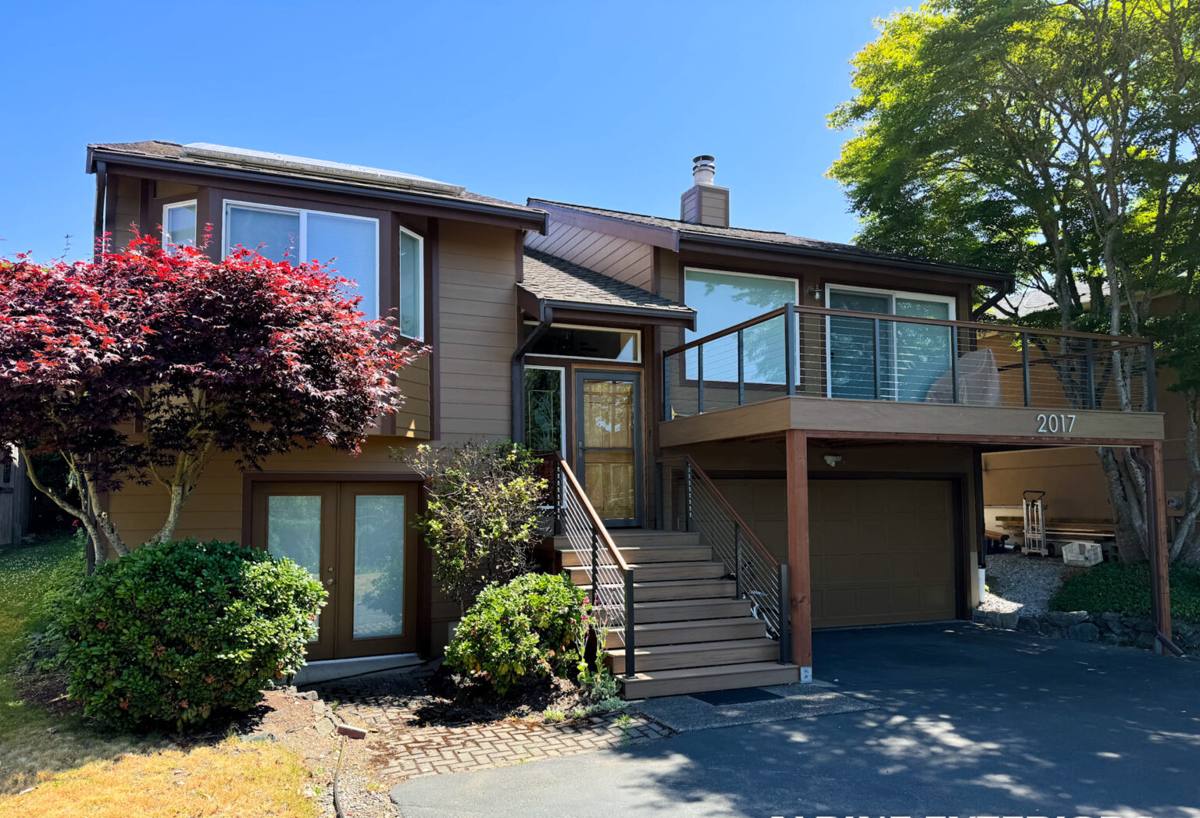
What Correct Window Installation Actually Involves
A window installation is only as good as the parts nobody sees once the trim goes back on. Here's what has to happen, in order, for a window to actually perform the way it's rated to.
Opening Prep and Removal
The old window comes out carefully so we can inspect the rough opening — the framing, the sill, and the sheathing around it — for rot, soft wood, or prior water intrusion. In a humid coastal climate like ours, this step catches problems early instead of sealing them behind a brand-new window. Any damaged framing gets addressed before a new unit ever goes in; installing a good window into a compromised opening just guarantees a repeat problem.
Flashing and Water Management
Water management is the part of the job that determines whether a window leaks during a Florida downpour. That means properly lapped flashing at the sill and jambs, a sill pan to direct any water that does get past the glass back outside instead of into the wall cavity, and integration with the home's existing weather-resistive barrier. Wind-driven rain during a tropical storm doesn't fall straight down — it gets pushed sideways into the wall, which is exactly the condition this flashing sequence is built to handle.
Fastening and Anchoring
The window has to be anchored to the framing with fasteners and spacing that match its wind-load rating, not just "enough screws to hold it in place." This is where a window's official pressure rating either holds up in real wind or doesn't, regardless of how good the glass itself is.
Sealing and Finish Work
Proper backer rod and sealant at the exterior joint, correct low-expansion foam or insulation at the interior gap, and finish trim that sheds water rather than trapping it against the frame. Skipping or rushing this step is one of the most common causes of the slow, hidden leaks that show up as stained drywall or musty smells months later.
Impact-Rated Windows vs. Standard Windows in a Coastal Wind Zone
Homeowners in the Clearwater area often ask whether impact-rated windows are really necessary this far north of Miami-Dade's stricter wind zones. The honest answer: Pinellas County still sees real hurricane wind exposure and wind-borne debris risk, and the Florida Building Code sets wind-borne-debris requirements for this region accordingly. Here's how the two options actually compare.
| Factor | Standard (Non-Impact) Window | Impact-Rated Window |
|---|---|---|
| Storm protection | Requires separate shutters or panels installed before every storm | Built-in protection; no separate shutter routine needed |
| Glass construction | Single or standard dual-pane | Laminated glass bonded to an interlayer that resists penetration |
| Everyday security | Standard glass can be broken through relatively easily | Laminated glass is far harder to breach even outside storm season |
| UV and noise reduction | Varies by glass package | Laminated interlayer typically improves both UV blocking and sound dampening |
| Upfront cost | Generally lower | Generally higher, offset over time by not needing separate shutters |
| Insurance | May not qualify for opening-protection credits | Often qualifies for wind-mitigation credits — confirm specifics with your insurer |
We install both, and which one makes sense depends on your home's exposure, your budget, and whether you'd rather deal with shutters before every storm or have the protection built into the window itself. We'll walk through that trade-off honestly rather than upselling one option across the board.
Signs Your Oldsmar Home's Windows Are Due for Replacement
Not every window problem means a full replacement, but these are the signs worth having a professional look at:
- Fogging or a cloudy haze between panes — a sign the seal has failed and the insulating gas has escaped
- Windows that feel drafty even when fully latched, especially during windy weather
- Visible warping, soft spots, or discoloration in the frame
- Difficulty opening, closing, or locking the window smoothly
- Condensation forming on interior glass or the surrounding wall on a regular basis
- Noticeably higher cooling bills without another clear cause
- Chalky, sun-damaged frame finish that no longer cleans up
- Rust or corrosion on hinges, cranks, or locking hardware from salt air exposure
If you're seeing more than one of these, it's usually a sign the window's seals and structure have run their course, not just a cosmetic issue.
Frame and Glass Options Worth Considering for This Area
Frame Materials
Vinyl and fiberglass frames are the most common choices we recommend for coastal Florida homes because they don't corrode from salt air the way some metal frames can, and they handle repeated heat-and-humidity cycles without warping. Aluminum frames remain a solid, budget-conscious option when properly finished and maintained, but they conduct heat more readily and need attention to corrosion resistance over time. We'll talk through which fits your home's style and your maintenance preferences rather than pushing one material for every job.
Glass Packages
Beyond impact resistance, glass selection affects how much heat and UV your home lets in. Low-E coatings reduce solar heat gain without darkening the room, which matters when your windows face west or south and take the brunt of Florida afternoon sun. Argon- or krypton-filled dual-pane units add insulating value on top of that. We size and specify glass based on each elevation's actual sun exposure rather than using one spec for the whole house.
Permits and Wind-Load Requirements
Window replacement in Oldsmar and the surrounding Clearwater area requires a permit, and the installed window has to meet the wind-load and impact requirements that apply to your specific property under the Florida Building Code. That's not paperwork for its own sake — it's what confirms the window and its installation were actually rated and anchored for the wind pressures this area sees. We handle the permitting and inspection process as part of the job, and we won't install a window that isn't rated for your home's wind exposure just to save a step.
How Our Installation Process Works
- On-site assessment: We measure openings, check framing condition, and talk through your priorities — storm protection, energy performance, noise, or a mix of all three.
- Product and glass selection: We recommend frame material and glass package based on your home's exposure and budget, not a one-size answer.
- Permitting: We pull the required permit and confirm the specified product meets the wind-load rating for your address.
- Removal and opening inspection: Old windows come out, and we check the framing and sill for hidden damage before anything new goes in.
- Installation: Proper flashing, sill pan, code-compliant anchoring, and sealing at every opening.
- Finish and cleanup: Interior and exterior trim work, sealant cleanup, and a final check that every window opens, closes, and locks correctly.
- Inspection: We coordinate the final inspection so your permit closes out properly and the work is documented.
Why a Crew That Already Works Oldsmar Matters
Window installation is local work in a very literal sense. A crew that already works in Oldsmar and across the greater Clearwater area knows the wind exposure differences between a home a few blocks from the bay and one further inland, has an established relationship with the local permitting process, and has seen firsthand what salt air and afternoon storms do to installations that were rushed or under-flashed. That local track record matters more than a low bid from a crew unfamiliar with Pinellas County's requirements and climate demands.
It also means we're not disappearing after the install. If a question comes up six months or six years later — a settling frame, a hardware issue, a warranty question — you're calling a company that's still working in your neighborhood, not chasing down someone who did one job and left the area.
Get a Free, No-Pressure Estimate
If your Oldsmar home has windows that are drafty, fogged, hard to operate, or just old enough that you're wondering whether it's time, we're glad to take a look and give you a straightforward assessment — no pressure, no hard sell. Use the form below to request a free estimate and we'll walk you through your options.