 Clearwater Roofing
 Dunedin Sits Right in the Path of What Wears Siding Out
Dunedin is a coastal Pinellas County community, tucked between Clearwater Harbor and the Gulf, and that location cuts both ways. It's part of what makes the area a nice place to own a home, and it's also exactly the kind of exposure that shortens the life of exterior siding. Salt-laden air moves in off the water and settles on siding, trim, and fasteners day after day. Add Florida's intense, nearly year-round UV load, wind-driven rain during summer storms, and the occasional hurricane-force wind event, and you have a climate that tests every seam, joint, and fastener in a home's exterior. Siding that would coast along quietly for decades in a drier, inland climate can start showing real problems in Dunedin within half that time if it isn't the right material, installed correctly, or maintained.
This page is about one job, done right, in one area we already work: repairing siding on Dunedin homes. Not a full site replacement pitch, not a generic "why siding matters" overview — the specific things a Dunedin homeowner needs to know before they call anyone about a section of damaged or failing siding.
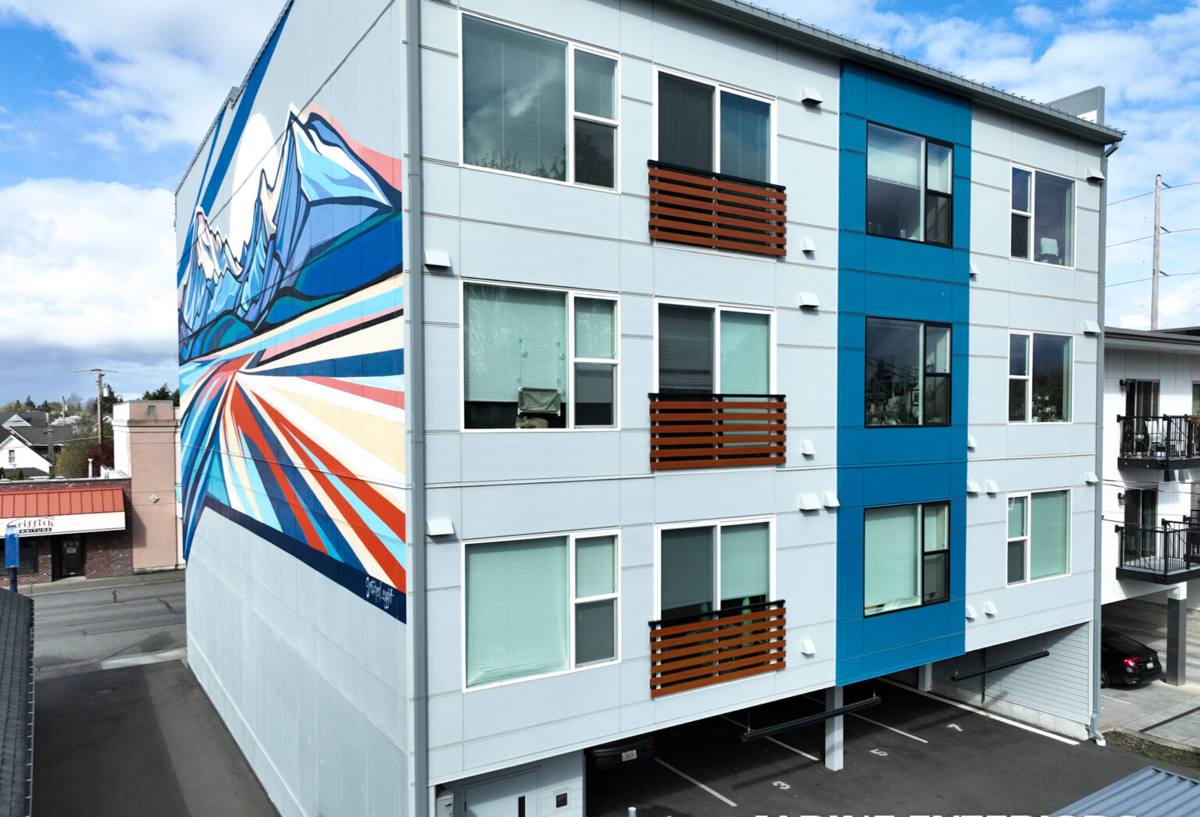
How to Tell Your Siding Needs Repair, Not Replacement
Signs of Localized Damage
Most siding problems we see in this area start small and stay small — if they're caught early and repaired correctly. Typical signs worth a call include:
- A section of boards that's visibly buckled, cracked, or separated from the wall
- Soft or spongy spots when you press on the siding near the bottom of the wall or under windows
- Paint or finish that's peeling, chalking heavily, or fading unevenly compared to the rest of the house
- Gaps opening up at seams, corners, or where siding meets trim, doors, and windows
- Staining or discoloration that keeps coming back after cleaning, which often points to moisture getting behind the siding rather than just surface dirt
- Visible impact damage from a storm — cracked boards, dented panels, or pieces knocked loose
When Repair No Longer Makes Sense
Repair is the right call when the damage is contained — a few boards, one wall, one storm event, one area where flashing failed. It stops being the right call when the underlying material has failed broadly: widespread rot in an old wood or engineered wood product, siding that's delaminating across multiple walls, or a house where the siding is simply at the end of its service life. An honest contractor will tell you which situation you're in rather than selling you a repair that won't hold, or a full replacement you don't yet need.
Common Siding Problems We See in Dunedin Homes
Wind and Storm Damage
Sustained coastal winds and the occasional hurricane put direct pressure on siding and pull at fasteners and seams. The damage isn't always dramatic — sometimes it's a corner piece that's worked loose, or a few boards where the nailing pattern has started to fail after years of flexing in the wind. Left alone, a small gap becomes an entry point for wind-driven rain.
Moisture and Rot
Florida's humidity, combined with heavy summer rain that often comes in sideways, means siding has to shed water fast and keep it out of the wall assembly. Wood-based and engineered wood siding products are the most vulnerable here — once moisture gets past the surface, rot can spread inside the wall before it's ever visible from outside. This is one of the most common reasons we get called out to older Dunedin homes.
Sun, Salt, and Fading
UV exposure breaks down paint film and some composite finishes over time, and salt air accelerates corrosion on fasteners and metal trim. The result is siding that looks tired years before it's actually failed structurally — chalky, faded, or blistering in a way that plain repainting won't fully fix if the underlying material is degrading.
What a Correct Siding Repair Involves
Diagnosing the Cause, Not Just the Symptom
Replacing a cracked board without figuring out why it cracked is a temporary fix. A proper repair starts with finding out whether the damage is isolated impact damage, a flashing or sealant failure letting water in, a fastening problem, or a sign of broader moisture intrusion behind the siding. That diagnosis determines whether the repair is a simple board swap or needs to include work on the water-resistive barrier, flashing, or framing underneath.
Matching Material, Profile, and Finish
On a repair, blending in matters as much as structural soundness. That means matching board width, exposure, texture, and — where we're working with James Hardie's factory-finished ColorPlus products — matching the actual finish rather than field-painting a patch that will weather differently than the surrounding siding within a year or two.
Getting the Details Right
Most siding failures in this climate trace back to details, not the field of the wall: flashing above windows and doors, sealant at butt joints, the gap left at the bottom of the wall for drainage, and fastener placement. A repair that doesn't address those details is a repair that fails again in the next storm season.
Why We Repair With James Hardie — and Only Hardie
We install and repair one siding system: James Hardie fiber cement. We don't work in vinyl, LP SmartSide, Cemplank, Allura, or primed wood siding like spruce or cedar, and that's a deliberate standard, not an oversight. Each of those products has real strengths, but they also carry trade-offs — moisture sensitivity, installation tolerances, finish durability, or warranty structure — that show up faster in a climate like ours, with heat, humidity, salt air, and storm wind all working against the material at once.
James Hardie's HZ5 product line is engineered specifically for high-humidity, storm-prone climates like Florida's Gulf coast. It's non-combustible fiber cement, it doesn't rot or attract termites the way wood-based products can, and the ColorPlus factory finish is baked on under controlled conditions rather than applied on site — which means better fade and chip resistance than field-applied paint. That matters as much for repairs as it does for new installs: when we patch in a section, we want it to perform and age the same way as the rest of the wall, not become the next weak point.
If your home currently has a different siding material and it's failing, we'll say so plainly rather than trying to patch something we don't think is worth patching. In some cases a repair using a matched Hardie board section is possible even on a non-Hardie home; in others, the honest answer is that the material itself is the problem, not just the section that's damaged.
Our Siding Repair Process for Dunedin Homeowners
The process is straightforward, and we keep it that way on purpose:
- On-site inspection. We look at the damaged area and the surrounding siding, and check for signs the problem extends further than what's visible — soft spots, staining, or gaps nearby.
- Diagnosis and honest scope. We tell you whether it's a contained repair, a slightly larger repair to address a flashing or moisture issue, or a case where replacement is the more sensible long-term move.
- Written estimate. Clear on what's being repaired, what material and finish will be used, and what the work will cost — no vague allowances.
- The repair itself. Removal of damaged material, correction of the underlying cause where one exists, and installation of matched James Hardie siding with proper flashing, fastening, and sealant detail.
- Final check. A walk-through so you can see the finished work and ask questions before we consider the job done.
Repair vs. Replacement: What Actually Drives the Decision
Homeowners often want a straight answer on cost before anything else, but the real driver is scope — how much of the wall is affected and why. This table lays out the general factors that push a job toward repair versus full replacement.
| Factor | Points Toward Repair | Points Toward Replacement |
|---|---|---|
| Extent of damage | Isolated to one section or wall | Present across multiple walls or elevations |
| Cause | Single storm event or isolated flashing failure | Ongoing, widespread moisture intrusion |
| Material condition | Surrounding siding is sound and matchable | Surrounding siding is aged, brittle, or discontinued |
| Underlying material | Existing Hardie fiber cement in good condition | Wood-based or degraded composite siding with rot risk |
| Age of siding | Well within expected service life | At or past the end of its practical lifespan |
None of these factors work in isolation — a small area of damage on siding that's otherwise near the end of its life is a different conversation than the same damage on a wall that still has decades of service ahead of it. That's why the inspection comes before the estimate, not the other way around.
Why a Crew That Already Works Dunedin Matters
Repair work depends on getting the details right for this specific climate, and that comes from doing the work here repeatedly, not from a general contractor's playbook written for a different region. A crew that regularly works Dunedin and the surrounding Clearwater area already knows how salt exposure near the water tends to affect fasteners and trim, how the local storm season stresses siding on homes at different elevations and exposures, and what permitting and inspection expectations look like in Pinellas County. That local pattern recognition is what keeps a repair from becoming a repeat call twelve months later.
It also means faster response. When a storm comes through and a homeowner needs someone to look at wind or impact damage, a crew already working in the area can typically get out to assess the damage sooner than one that has to travel in from further away.
A Quick Checklist Before You Call Anyone
- Note which side of the house the damage is on — wind and sun exposure often explain the pattern
- Check nearby areas for soft spots or staining, not just the obviously damaged spot
- Take photos of the damage, especially right after a storm, for your own records
- Ask any contractor you're considering whether they'll diagnose the cause, not just patch the visible damage
- Ask what material and finish will be used for the repair and how closely it will match your existing siding
- Get the scope and cost in writing before work starts
Get a Straight Answer on Your Siding
If you've got a section of damaged, aging, or storm-affected siding on a Dunedin home, we're happy to take a look and tell you plainly what it needs — a targeted repair, a larger fix to address a root cause, or a longer-term conversation about replacement. There's no pressure and no cost to get our honest read. Use the form below to request a free estimate.