 Clearwater Roofing
 Belleair's Coastal Climate Is Hard on Windows
Belleair sits on a narrow strip of land between the Gulf of Mexico and Clearwater Harbor, and that location comes with a trade-off. The same water views that make the town desirable also mean every window in every home here is fighting salt air, intense UV exposure, wind-driven rain, and the threat of hurricane-force winds for much of the year. None of that is unique to one house — it's the baseline condition for anything installed in Pinellas County's coastal zone, and it changes what "correct" window installation actually means.
A window that would hold up fine forty miles inland can fail early here. Salt-laden air corrodes hardware and aluminum framing faster than clean inland air does. UV breaks down vinyl, seals, and glazing compounds over time, which is why older windows in Belleair often show cloudy glass, brittle weatherstripping, or frames that have gone chalky and stiff. Add in wind-driven rain that gets pushed sideways during storms, and you have a climate that punishes any shortcuts in flashing, sealant, or attachment. Window installation in Belleair has to be built for this environment from the start, not treated like a generic swap-out job.
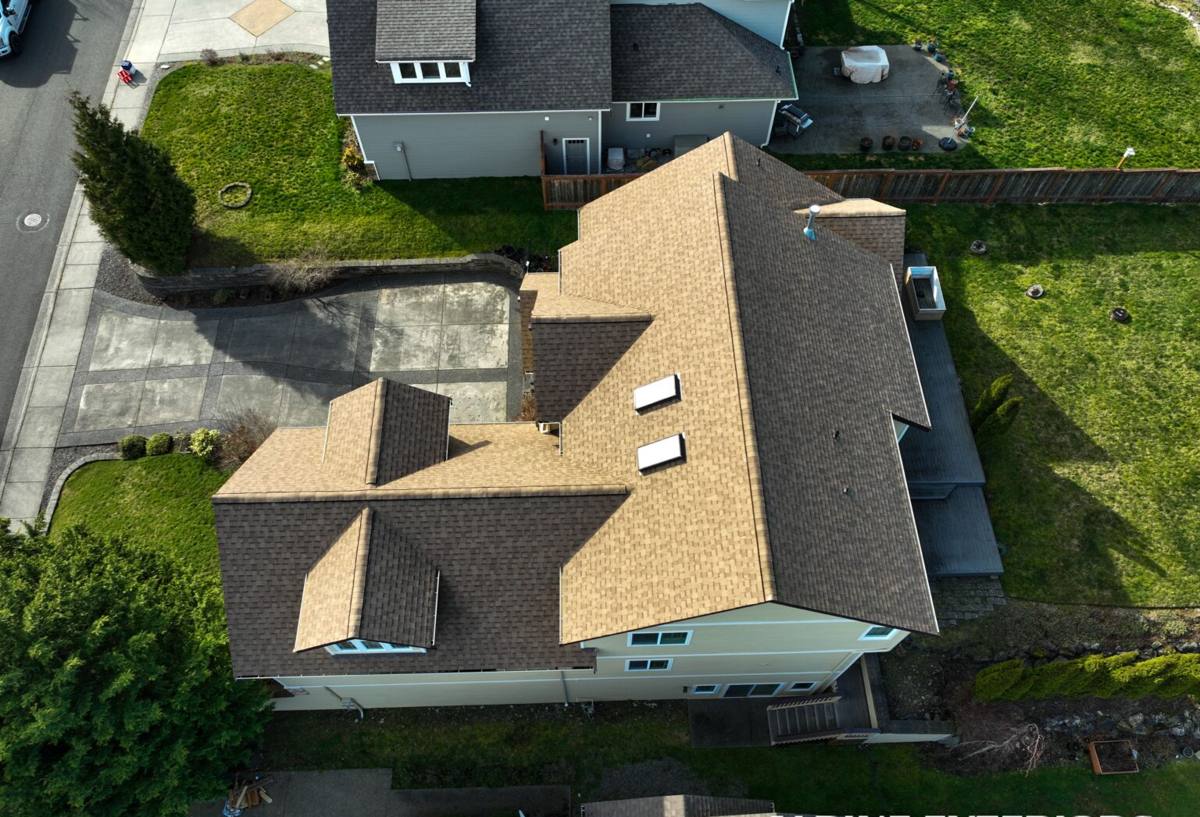
What Belleair Homes Actually Need From a Window Installation
A Mix of Older and Newer Construction
Belleair's housing stock spans decades, from older homes built with single-pane aluminum-frame windows to newer construction built to more current wind and energy codes. Older openings are frequently out of square after decades of settling and humidity cycling, and the rough openings often need more correction work than a homeowner expects before a new window will seat and seal properly.
Wind and Impact Protection
Pinellas County falls within Florida's wind-borne debris region, which means replacement windows generally need to either be impact-rated or paired with approved shutters that protect every opening on the home. This isn't a preference — it's a Florida Building Code requirement in coastal counties like this one, and it applies whether you're replacing one window or the whole house. Any contractor quoting Belleair window work should be talking to you about this up front, not treating it as an afterthought.
Moisture Management, Not Just a New Pane
Because wind-driven rain is a real and recurring event here, not a rare storm, the flashing and sealing details around a window matter as much as the window itself. A well-built window installed with poor flashing will leak in Belleair a lot sooner than the same window installed correctly in a drier, calmer climate.
What a Correct Window Installation Involves
Matching the Product to the Opening
Not every window on a house faces the same conditions. A west-facing window catching afternoon sun and prevailing wind needs the same structural performance as any other opening, but the glazing package that manages heat and glare best may differ from what makes sense on a shaded, sheltered wall. Sizing, orientation, and exposure should all factor into product selection, not just picking one style and installing it everywhere.
Checking the Rough Opening Before Anything Goes In
Once the old window is out, the framing and sill underneath need to be inspected for rot, moisture damage, or old caulk-over-gap repairs. Installing a new window over a damaged sill just seals a problem behind new trim — it doesn't fix it. Any wood rot or water damage found at this stage needs to be repaired before the new unit goes in.
Flashing and Sealant Details
This is where a lot of installation quality is won or lost in a climate like ours. Proper flashing directs water away from the framing rather than trusting caulk alone to keep it out. Sealant is a backup layer, not the primary defense, and it needs to be the right product for exterior, UV-exposed, coastal use.
Anchoring for Wind Load
Windows in a wind-borne debris region need to be fastened according to the manufacturer's tested installation instructions and the applicable Florida Building Code wind-load requirements for the home's specific location and exposure. That means the right fastener type, spacing, and shimming, not just enough screws to hold the frame still while the trim goes on.
Permitting and Inspection
Window replacement in Pinellas County typically requires a permit, and impact-rated or code-compliant products need to carry the appropriate Florida product approval documentation. Skipping the permit might save a little time up front, but it can create real problems at resale when a buyer's inspector or insurer asks for permit history that doesn't exist.
Cost and Performance Factors to Weigh
| Factor | What It Affects | Why It Matters in Belleair |
|---|---|---|
| Frame material (vinyl, aluminum, fiberglass) | Durability, maintenance, insulation | Salt air and UV wear down materials at different rates near the water |
| Glass package (impact-rated vs. standard plus shutters) | Storm protection, upfront cost, daily convenience | Impact glass stays in place year-round; shutters need to be deployed before a storm |
| Opening size and configuration | Structural requirements, labor time | Larger openings need more robust anchoring to meet wind-load requirements |
| Condition of existing framing | Whether rot or water damage repair is needed first | Older coastal homes often have hidden moisture damage around openings |
| Number of openings replaced at once | Overall project cost and permitting | Whole-house jobs can streamline permitting versus one-off replacements |
These factors interact. A smaller vinyl-frame impact window on a sheltered wall is a very different project, in cost and complexity, than a large aluminum-frame unit facing open water. A straightforward quote should walk through each of these factors rather than reducing the job to a single per-window price.
How Our Window Installation Process Works
- On-site assessment. We look at every opening being replaced, check existing framing condition, and note sun and wind exposure for each one.
- Product recommendation and proposal. We walk through frame material, glass package, and impact-versus-shutter options based on what the home actually needs, with a clear written scope.
- Permitting. We handle the permit application and make sure the products specified carry the required Florida product approval for the county's wind-borne debris requirements.
- Removal and prep. Old units come out carefully, and any rot or damage in the rough opening is repaired before the new window goes in.
- Installation. Windows are set, shimmed, and anchored to manufacturer and code specifications, with flashing installed to manage water before sealant ever touches the joint.
- Inspection and walkthrough. We schedule the required inspection and walk the finished work with you, covering operation, hardware, and basic care.
Problems We Commonly Find With Prior Window Installations
A fair amount of the window work we get called out for in the Clearwater area is repair or correction work behind someone else's installation. The patterns repeat often enough to be worth mentioning:
- Caulk used as the primary water barrier instead of proper flashing, which works for a while and then fails during the first serious wind-driven rain event
- Foam-only installation with little or no mechanical fastening, which doesn't meet wind-load requirements even if the window looks fine from inside
- No permit on file, discovered years later during a home sale or insurance review
- Standard glass installed where impact protection or shutters were required, leaving the home out of compliance
- Rot or moisture damage in the framing that was covered over rather than repaired
None of these show up immediately. They show up during the next hurricane season, the next home inspection, or the next insurance renewal, which is exactly why doing it right the first time matters more here than in a milder climate.
Why Local Experience in Belleair Matters
A crew that regularly works in Belleair and the wider Clearwater area already knows the county's permitting requirements, the wind-borne debris rules that apply to this stretch of coastline, and how salt air affects hardware and fasteners over time. That familiarity shows up in small decisions, like which fastener finish holds up near the water, how to sequence a job around a barrier island's traffic and access, and what an inspector will want to see, that a crew unfamiliar with the area has to learn on your project instead of before it.
Some Belleair neighborhoods also have their own architectural or aesthetic guidelines for exterior changes. A local installer is more likely to flag that early, before ordering product, rather than after.
Questions to Ask Before You Hire
- Are you licensed and insured to do window installation in Pinellas County?
- Will you pull the permit, and does the product carry Florida product approval for this county's wind requirements?
- How do you handle rot or water damage found once the old window is removed?
- What does your installation warranty cover, separate from the manufacturer's product warranty?
- Can you explain, in plain terms, how the flashing and sealing will work on my specific openings?
If a contractor can't answer these clearly before you sign anything, that's worth noticing.
Caring for New Windows in a Coastal Climate
Even a correctly installed window benefits from a little upkeep in this environment. Rinsing accumulated salt residue off frames and glass periodically helps slow corrosion and buildup, especially on homes closer to the water. It's also worth a yearly look at exterior sealant for cracking or gaps, since UV exposure breaks down sealants faster here than inland, and a quick check that hardware still operates smoothly, since salt air can stiffen mechanisms that go unused. Catching these small things early is a lot cheaper than dealing with a leak or a stuck window later.
If you're weighing window replacement for a Belleair home, we're happy to take a look and walk you through the options honestly, no pressure, no hard sell. Fill out the form below and we'll set up a free estimate.