 Clearwater Roofing
 Countryside's Roofs Face Florida's Toughest Conditions Head-On
Countryside is a well-established residential area on the west side of Clearwater, and like the rest of Pinellas County, it sits in one of the most demanding climates in the country for a roof. Homes here deal with sustained hurricane-force winds during storm season, intense year-round UV exposure that most of the country never sees, wind-driven rain that finds its way into any gap in the roofing system, and a steady dose of salt air carried in off the Gulf. None of these are occasional stressors — they're daily and seasonal facts of life for every roof in this neighborhood.
Asphalt shingle roofing remains one of the most practical choices for Countryside homes when it's specified and installed correctly for this climate. The problem isn't usually the shingle itself — it's roofs that were built to a generic national standard instead of a Gulf Coast one. A shingle roof designed and installed for Pinellas County conditions looks at wind uplift resistance, underlayment quality, flashing detail, and attic ventilation as one connected system, not a checklist of separate parts.
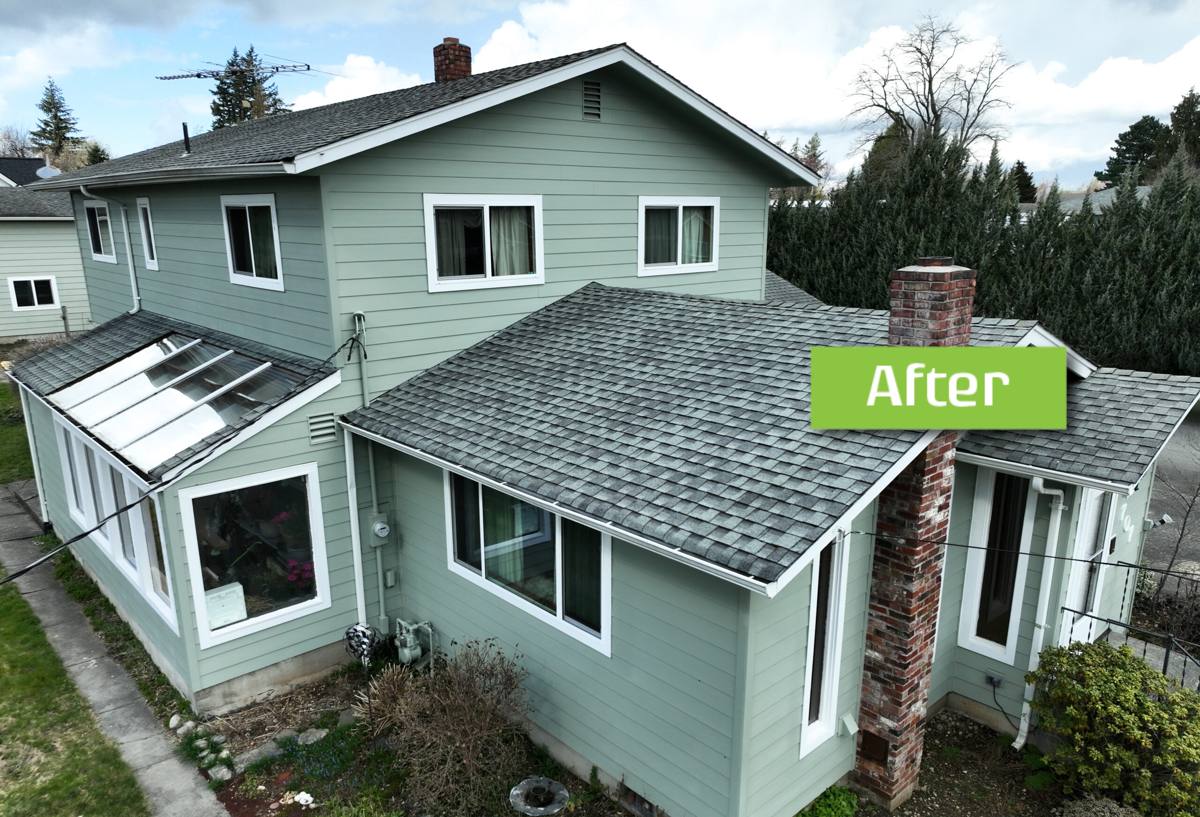
What a Correct Asphalt Shingle Roof Actually Involves
A shingle roof is only as good as everything underneath it. Most leaks and wind failures we get called out for don't start with the shingles — they start with a weak link somewhere in the layers homeowners never see. Here's what actually makes up a correctly built system.
The Roof Deck
The plywood or OSB deck is the structural base everything else attaches to. If it's delaminated, soft, or under-fastened, no shingle on the market will hold up in a wind event, because the shingle nails have nothing solid to bite into. A proper roofing job always includes a deck inspection, not just a shingle swap.
Underlayment
This is the roof's real waterproofing layer — the shingles are the first line of defense against wind and sun, but the underlayment is what keeps water out if wind-driven rain gets past them, which it will during a tropical system. In our climate, a synthetic underlayment or a self-adhering membrane in vulnerable areas (valleys, eaves, around penetrations) matters more here than it does in drier climates.
Flashing and Drip Edge
Flashing around chimneys, walls, skylights, and roof-to-wall transitions, plus drip edge along the eaves and rakes, are where the majority of leaks actually originate. Reused or improperly lapped flashing is one of the most common corners cut in cheap re-roofs, and it's usually invisible until water shows up on a ceiling.
The Shingles Themselves
Shingles handle UV degradation, shed water, and provide the wind resistance rating that matters most in a storm. Fastening pattern, nail placement, and matching the shingle's wind rating to the local wind zone all affect how the roof performs — two roofs with identical shingles can perform very differently based on how they were installed.
Ventilation
An intake and exhaust system (soffit vents paired with ridge or other exhaust vents) that lets hot, moist attic air escape. Skip this step and even premium shingles age faster from the inside out.
Choosing a Shingle System Built for Wind and Heat
Not every asphalt shingle is built the same, and the right choice depends on your roof's exposure, your budget, and how much wind and impact protection you want built in. We walk every Countryside homeowner through these trade-offs honestly rather than defaulting to whatever is cheapest to install.
| Shingle Type | Typical Wind Rating | Impact Resistance | Best Fit For |
|---|---|---|---|
| 3-Tab | Lower end of manufacturer ratings, generally the least wind-resistant option | Standard, no Class 4 rating | Budget-conscious re-roofs on less exposed sections |
| Architectural (Laminate) | Mid-to-high, varies by manufacturer and installation | Standard unless specified as impact-rated | Most Countryside homes — balance of cost, appearance, and durability |
| Impact-Resistant (Class 4) | High, built for storm-prone regions | UL 2218 Class 4 rated | Homes prioritizing storm resilience and possible insurance credits |
We don't push impact-resistant shingles on every job — for some roof shapes and budgets, a well-installed architectural shingle with correct fastening is the smarter dollar-for-dollar choice. What we won't do is install a wind rating that doesn't match what your roof's exposure actually calls for, just to save a line item on the estimate.
How We Install a Countryside Roof, Step by Step
Homeowners deserve to know what's actually happening on their roof, not just a line item that says "install shingles." Our process for a full replacement generally looks like this:
- Inspection and scope. We assess the existing roof, deck condition, flashing points, and ventilation before writing a single number on an estimate.
- Tear-off. Old shingles and underlayment come off completely — we don't layer new shingles over old, since that traps heat and moisture and hides deck problems.
- Deck inspection and repair. Any soft, delaminated, or damaged decking is replaced before anything goes back down.
- Underlayment installation. Synthetic underlayment across the field, with self-adhering membrane in valleys, around penetrations, and along eaves where wind-driven rain concentrates.
- Drip edge and flashing. New drip edge at eaves and rakes, and new or properly re-flashed details at every wall, chimney, and penetration.
- Shingle installation. Shingles go down with a fastening pattern matched to the product's wind rating and our local wind zone requirements — this is where a lot of the real wind performance is won or lost.
- Ventilation tie-in. Ridge and soffit ventilation are installed or corrected so the finished attic has real airflow, not just vents for show.
- Cleanup and final walkthrough. Magnetic sweep for nails, full site cleanup, and a walkthrough so you know exactly what was done and where.
Ventilation: The Difference Between a Roof That Lasts and One That Cooks
Pinellas County attics regularly hit extreme temperatures under direct sun for most of the year. Without a balanced intake-and-exhaust system, that heat has nowhere to go, which does two things: it bakes the underside of the shingles and accelerates aging from below, and it drives up cooling costs because the attic acts like an oven sitting directly above your living space. Add in humidity, and poor ventilation also sets the stage for trapped moisture and mold growth in the attic structure.
A correctly vented roof pulls cooler air in low (through soffit vents) and pushes hot, humid air out high (through ridge or other exhaust vents), creating continuous airflow. On many older Countryside homes, ventilation was adequate when the house was built but has since been blocked by insulation, painted-over soffit vents, or additions that changed the roofline. Part of a proper re-roof is checking that the intake and exhaust are still balanced, not just replacing what's already there.
Warning Signs Your Countryside Roof Needs Attention
Florida's climate doesn't give roofs a slow, gentle decline — sun and storms accelerate problems. These are the signs worth acting on before they turn into interior damage:
- Granules collecting in gutters or at downspout outlets, a sign shingles are losing their protective surface
- Curling, cupping, or cracking shingles, especially on south- and west-facing slopes that take the most UV exposure
- Shingles that are missing, lifted, or creased after a windstorm, even if no leak has shown up yet
- Dark streaking or staining, which often indicates algae or moisture retention rather than just dirt
- Soft spots underfoot or visible sagging along the roofline
- Rust or separation at flashing points around chimneys, vents, or wall transitions
- Water stains on interior ceilings or in the attic, which usually mean flashing or underlayment has already failed
- Daylight visible through the roof deck from inside the attic
Catching these early is almost always cheaper than waiting for a leak to show up inside the house, since interior water damage, insulation replacement, and potential mold remediation add cost well beyond the roof itself.
Maintenance That Actually Extends a Florida Roof's Life
Asphalt shingle roofs in this climate benefit from a bit of regular attention rather than a "install and forget" approach:
| Maintenance Item | Why It Matters Here | Recommended Frequency |
|---|---|---|
| Visual roof inspection | Catches storm damage, lifted shingles, or flashing wear early | Annually, and after any major storm |
| Gutter and downspout cleaning | Prevents water backup at the eaves, a common leak point in heavy rain | 2-3 times per year |
| Attic ventilation check | Confirms soffit and exhaust vents remain unblocked | Every 1-2 years |
| Flashing and sealant check | UV and salt air degrade sealants faster here than in most climates | Annually |
| Post-hurricane inspection | Wind can lift or crease shingles without an obvious leak forming right away | After any named storm or high-wind event |
None of this requires climbing on the roof yourself — a quick professional check catches most issues while they're still a repair, not a replacement.
Why Hiring a Crew That Already Works Countryside Matters
Roofing in Countryside isn't identical to roofing everywhere else in the state, and it isn't identical to roofing in a low-wind, low-humidity climate either. A crew that regularly works this specific part of Clearwater knows the roofline styles and roof ages common to the area, understands the current Florida Building Code requirements for wind resistance and re-roof permitting in Pinellas County, and has already worked through the local permitting and inspection process enough times to keep a job moving instead of stalling on paperwork.
That local familiarity also matters after a storm. When wind or rain damage hits a neighborhood, having a contractor who already knows the area — rather than out-of-town storm crews who show up after a hurricane and disappear once the rush is over — means someone accountable is still around if a warranty issue or follow-up question comes up down the road.
Get a Straightforward Estimate for Your Countryside Roof
Every roof and every budget is different, and the right shingle system for your home depends on its exposure, age, and how long you plan to stay in it. If you're weighing a repair against a full replacement, or just want an honest read on where your roof stands, we're happy to take a look. Use the form below to request a free, no-pressure estimate, and we'll walk you through exactly what your roof needs and why.