 Clearwater Roofing
 Metal Roofing Built for Countryside's Climate
Countryside sits inland from the Gulf but still takes the full brunt of what Pinellas County weather delivers. Hurricane-force winds during storm season, intense UV exposure nearly every day of the year, wind-driven rain that gets forced sideways into roof edges and penetrations, and salt-laden air drifting in off the coast all work on a roof continuously, not just during the occasional bad storm. Metal roofing has become one of the strongest long-term answers to that combination for Countryside homeowners, but only when the system is specified and installed correctly for this exact climate rather than treated as a generic upgrade.
This page covers what a correct metal roofing installation looks like for a home in the Countryside area specifically — the panel and fastener choices that actually matter here, the installation details that separate a metal roof that performs for decades from one that develops problems early, and how our process works from first inspection to final walkthrough.
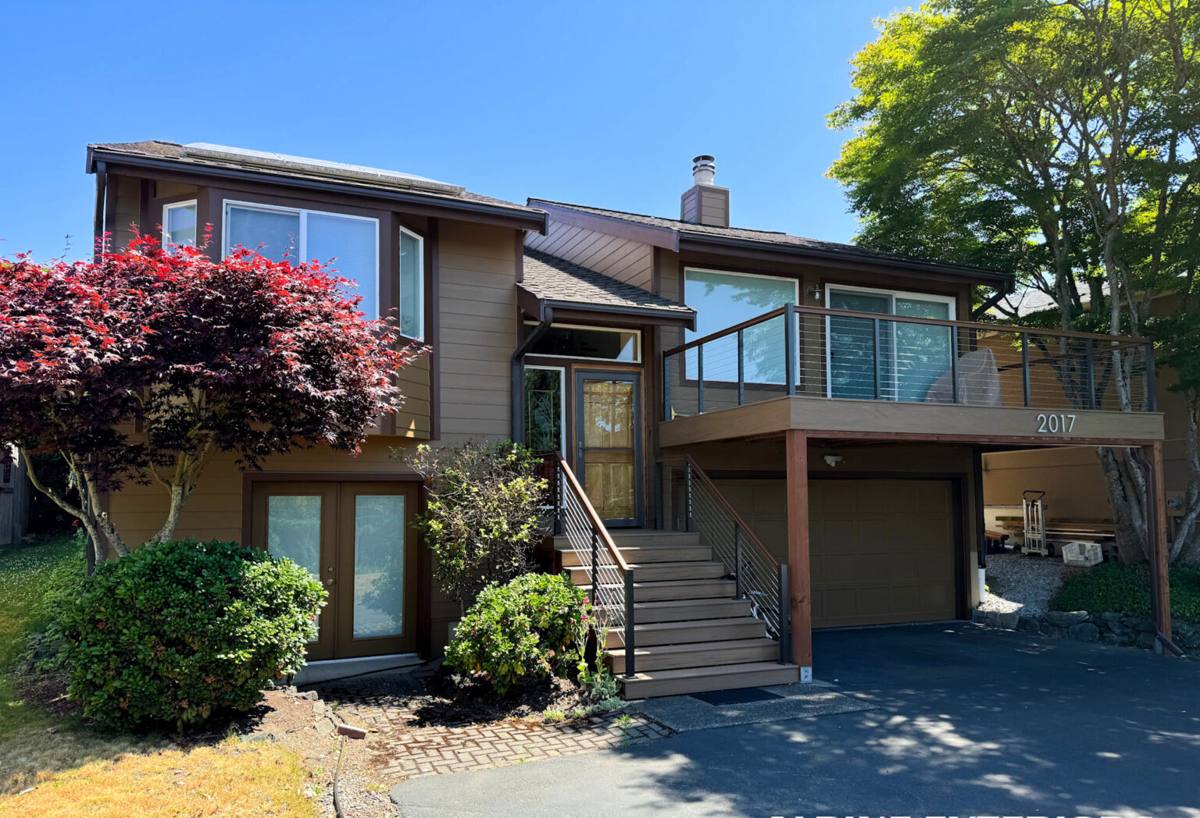
Why Metal Roofing Makes Sense for Countryside Homes
Metal roofing appeals to Clearwater-area homeowners for practical reasons: strong wind performance when installed to spec, a service life that can run 40 to 60 years with the right coating and maintenance, high solar reflectivity that helps with attic heat and cooling costs, and a low-maintenance surface that doesn't shed granules or crack the way aging asphalt does. None of that happens automatically just because the material is metal. A metal roof is a system of panels, fasteners, underlayment, and flashing working together, and the gap between a well-installed system and a rushed one shows up fastest under exactly the stresses Countryside sees regularly — sustained wind uplift and long-term UV and salt exposure.
What Local Weather Actually Demands
- Wind uplift resistance engineered to Florida Building Code requirements: Panel profile, fastening pattern, and clip spacing all affect how a metal roof performs when hurricane-force gusts try to lift it at the edges and corners first.
- Corrosion-resistant fasteners and flashing: Salt-laden air moving inland from the Gulf accelerates corrosion on underspecified metal, and a corroded fastener or flashing seam is one of the more common places a metal roof starts to fail.
- UV-stable factory finishes: Year-round Florida sun breaks down cheap paint systems faster than most homeowners expect, leading to chalking, fading, and eventual coating failure well before the panel itself wears out.
- Properly detailed underlayment and flashing at every penetration: Wind-driven rain during a Gulf storm doesn't fall straight down — it gets pushed under panel edges, around vent stacks, and into wall transitions where a lazier installation never expected water to reach.
What a Correct Metal Roof Install Involves
A metal roof installation isn't just fastening panels to the existing deck. A correct job treats the roof as a full system, addressed from the deck up.
Deck Inspection and Prep
Before any panel goes on, the existing deck needs a real inspection for soft spots, rot, or moisture damage that's developed under the old roofing, often invisible until the surface is exposed. Metal roofing can be installed over some existing roof systems in certain situations, but skipping a proper deck check to save time buries problems under a roof meant to last decades.
Underlayment
A high-temperature-rated synthetic or self-adhered underlayment matters more under metal than under most other roofing materials, since metal panels can run hotter in direct Florida sun than the underlayment beneath them was ever designed to handle if the wrong product is used. This layer is also the roof's real water barrier — the panels shed the bulk of the rain, but the underlayment is what protects the deck if wind-driven rain finds its way past a seam.
Panel and Fastening System
Panel profile and fastening method are chosen based on the specific roof geometry, pitch, and wind exposure of the home — not applied as a one-size-fits-all default. Fastener spacing, clip type, and screw quality all directly affect wind uplift performance, and this is one of the areas where a rushed installer cuts corners that don't show up until the next major storm.
Flashing at Valleys, Penetrations, and Walls
Most metal roof leaks trace back to flashing details, not the open panel field. Valleys, vent stack penetrations, skylights, and wall-to-roof transitions all need flashing that's properly formed, lapped in the correct direction, and integrated with the underlayment rather than sealed over with caulk as a shortcut.
Ventilation
Balanced attic ventilation keeps heat and moisture from building up under the panels, which protects the underlayment and helps the roof deliver on the energy-efficiency benefits metal is known for. A metal roof installed over a poorly ventilated attic loses much of that advantage.
Comparing Metal Roofing Systems for a Countryside Home
| System Type | Typical Lifespan | Fit for Countryside Conditions |
|---|---|---|
| Exposed-Fastener Panels | 25-40 years | Lower upfront cost; fastener gaskets wear over time and need periodic inspection in this climate's UV and heat |
| Standing Seam Panels | 40-60 years | Concealed fasteners and interlocking seams handle wind-driven rain and wind uplift better; the strongest long-term fit for most Countryside roofs |
| Stone-Coated Steel | 30-50 years | Combines steel's wind and impact performance with a shingle- or tile-like appearance; a good option where architectural style matters |
For most homes in the Countryside area, standing seam is the system we recommend when the budget allows, given how directly its concealed-fastener design addresses the wind-driven rain and hurricane-force gusts this part of Pinellas County deals with. Exposed-fastener panels remain a reasonable choice on a tighter budget as long as the fastener gaskets are inspected and maintained on a regular schedule.
Cost Factors Worth Understanding
Metal roofing bids can vary significantly for what looks like the same job on paper, and the difference usually comes down to real scope differences rather than one contractor padding the price.
| Factor | What It Affects |
|---|---|
| Panel system (exposed-fastener vs. standing seam) | Material cost, wind performance, and expected lifespan |
| Gauge and coating quality | Resistance to denting, corrosion, and UV-related finish failure over time |
| Underlayment grade | How well the roof resists heat buildup and wind-driven rain intrusion |
| Flashing and penetration detailing | How thoroughly valleys, vents, and wall transitions are addressed |
| Roof pitch and complexity | Labor time, staging, and the number of custom-formed pieces required |
| Ventilation upgrades | Attic performance and long-term protection of the underlayment |
An itemized written estimate that breaks these components out separately tells you far more than a single lump-sum figure, and it's worth asking any contractor to walk through exactly what's included before comparing numbers side by side.
How Our Process Works
We keep the process straightforward because a roof this size deserves a homeowner who knows exactly what's happening at every stage.
- In-person inspection: We walk the roof and attic in person, not from a photo or a drive-by estimate, and document the actual condition of the deck and existing roofing.
- Written estimate: You get a clear, itemized bid covering panel system, underlayment, flashing, ventilation, and cleanup — no vague single-line pricing.
- Scheduling around Florida weather: We build reasonable flexibility into the timeline, since afternoon storms and hurricane-season disruptions are a normal part of working in this region rather than an excuse after the fact.
- Deck prep and repair: Any soft spots or moisture damage found during tear-off get addressed before any new material goes down.
- Underlayment, flashing, and panel installation: Each layer goes on to manufacturer and code specification, with particular attention at valleys, penetrations, and wall transitions.
- Final walkthrough and cleanup: We review the completed roof with you and do a full site sweep before calling the job done.
Why Hiring a Crew That Already Works in Countryside Matters
A roofing crew that regularly works on homes in and around Countryside has already seen how salt-laden air corrodes underspecified fasteners over a handful of years, how sustained coastal wind loads expose weak fastening patterns that pass inspection but fail under real hurricane conditions, and how relentless Florida UV shortens the service life of a cheap panel finish. That's practical knowledge that shapes the small decisions made throughout a job — decisions a crew without regular experience in this specific climate might not think to make at all.
It also matters for accountability after the work is done. A workmanship warranty is only as good as the company standing behind it, and a contractor with an established, ongoing presence in the Clearwater area is the one you can actually reach years down the road if a question or an issue comes up.
A Practical Checklist Before You Choose a Roofer
- Do they specify panel gauge, coating type, and fastening system in writing, not just "metal roof"?
- Is the wind uplift rating tied to Florida Building Code requirements for this specific roof, not a generic number?
- Does the estimate explicitly include flashing detail at valleys, penetrations, and wall transitions?
- Do they carry current Florida contractor licensing, liability insurance, and workers' compensation?
- Can they point to recent, real work performed in or near Countryside or the greater Clearwater area?
- Does the bid clearly separate manufacturer material warranty from their own workmanship warranty?
Signs Your Countryside Roof May Need Attention
Metal roofs give warning signs before they fail outright, and catching them early is usually the difference between a straightforward repair and a full replacement.
- Streaking or rust spots forming around fasteners, screws, or panel seams
- Chalking or noticeable fading in the panel finish beyond normal weathering
- Loose, lifted, or vibrating panels along roof edges after windy weather
- Water staining on interior ceilings or in the attic near valleys or penetrations
- Visible gaps or deteriorated sealant at flashing points and roof penetrations
If any of this sounds familiar, it's worth having the roof looked at before the next tropical system rather than waiting for a leak to force the decision.
If you'd like an honest, no-pressure look at your Countryside home's roof and a written estimate to compare against anything else you've received, we're glad to come take a look. Use the form below to request a free estimate.