 Clearwater Roofing
 Why Safety Harbor Homes Rarely Take a Stock Window
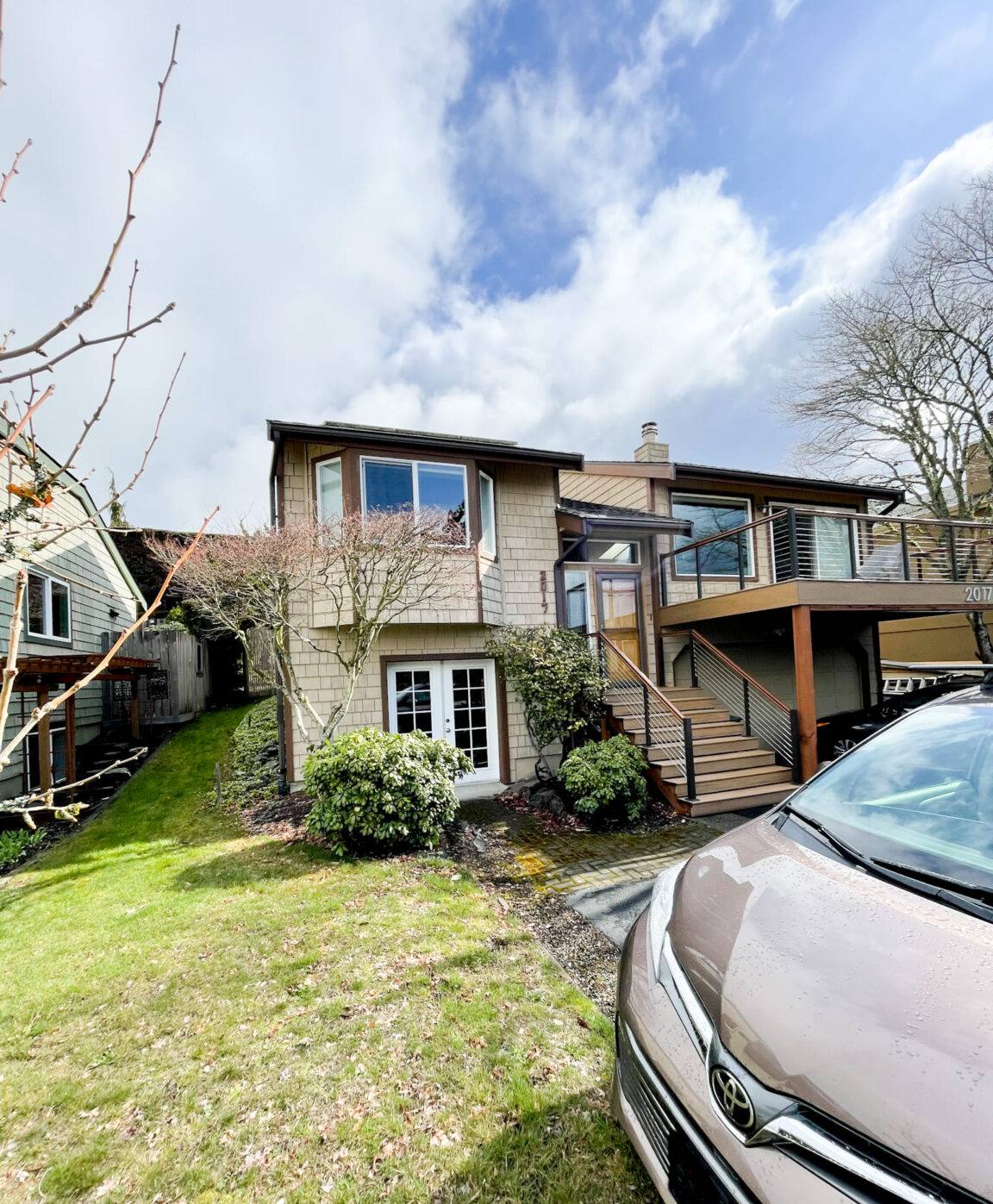
Safety Harbor sits right on Old Tampa Bay, and the housing stock reflects decades of different building eras — older bungalows and cottages close to the water, mid-century block homes, and newer construction further from the bayfront. That mix means window openings vary a lot from house to house. A window that drops in cleanly next door may not fit the same wall three streets over. When a home's openings are out of square, undersized, oversized, or built to a spec no manufacturer still stocks, "custom" isn't a marketing word — it's the only way to get a window that actually seals and performs.
For homeowners in this part of Pinellas County, the window isn't just about looks or energy bills. It's one of the main things standing between the inside of the house and a climate that doesn't let up — wind, sun, moisture, and salt, all year, every year.
What Coastal Pinellas Weather Does to a Window Over Time
Being near the bay rather than directly on the Gulf doesn't spare Safety Harbor from the wear that comes with a coastal climate. Four things do most of the damage over the life of a window:
UV Exposure
Florida sun is intense and constant. Over years, UV breaks down vinyl frames, fades interior finishes, and degrades the seals and gaskets that keep a window airtight. A window rated for a milder climate will show this wear faster here than almost anywhere else in the country.
Wind-Driven Rain
Even outside of a named storm, Tampa Bay's regular thunderstorms push rain sideways against west- and south-facing walls. A window with a marginal installation — thin sealant bead, no proper flashing, weep holes that were never cleared — will let water in long before anyone notices a hurricane-level problem.
Salt Air
Salt in the air corrodes hardware, fasteners, and unprotected metal components, even a few miles inland from open water. Cranks, locks, and screws that aren't rated for coastal exposure tend to seize up or corrode within a handful of years.
Hurricane-Force Wind
Pinellas County sits in a wind-borne debris region under the Florida Building Code, which is the whole reason impact-rated glazing and reinforced framing exist as a category. A window that isn't built and installed to hold up under sudden pressure changes and flying debris is a liability during storm season, not just an inconvenience.
None of these forces act alone — they compound. A window that's already stressed by UV-degraded seals is far more likely to fail when wind-driven rain and pressure hit it during a storm.
What "Custom" Actually Means for This Kind of Housing Stock
Custom windows aren't a upgrade tier — they're a response to a real measurement problem. In practice, that covers:
- Out-of-square or settled openings, common in older homes where the structure has shifted slightly over decades.
- Non-standard sizes left over from additions, renovations, or original construction that predates today's standard window dimensions.
- Architectural shapes — arched tops, angled bays, or transom combinations that a stock catalog simply doesn't carry.
- Matching sightlines across a home where some windows have already been replaced and new ones need to line up visually with what's staying.
Ordering custom means every opening gets measured on-site, not estimated from a floor plan. That extra step is what prevents the shim-and-caulk workarounds that shorten a window's service life.
Frame Material: What Actually Holds Up Near the Bay
There's no single "best" frame material — each comes with trade-offs worth understanding before you commit, especially in a climate this demanding.
| Frame Material | Coastal Durability | Maintenance | Notes |
|---|---|---|---|
| Vinyl | Good, if UV-stabilized | Low | Budget-friendly; lower-grade vinyl can warp or chalk under constant sun over time |
| Aluminum | Strong structurally, but prone to corrosion without proper coating | Moderate | Common in older Florida construction; needs marine-grade hardware near the water |
| Fiberglass | Excellent | Low | Resists warping and corrosion; higher upfront cost, longest service life in this climate |
| Wood-clad | Fair, if maintained | High | Best suited to sheltered exposures; requires ongoing sealant and finish upkeep |
Our standard is to steer homeowners toward materials and hardware grades that are built for sustained coastal exposure, not just a mild-climate spec sheet. A frame that performs fine in a drier or cooler region can underperform here within a few storm seasons — that's a maintenance and moisture reality, not a knock on any one product line.
Impact Protection and Local Code
Pinellas County, including Safety Harbor, falls within Florida's wind-borne debris region under the Florida Building Code. That means new and replacement windows generally need either impact-rated glazing or an approved protective system rated for the applicable design wind pressures for the site. Impact glass — typically two panes laminated around an interlayer — is designed to stay intact in its frame even if the outer pane cracks, keeping wind and water out and reducing the risk of a pressurized building envelope during a storm.
Permits for window replacement in Safety Harbor go through the local building department for the property's jurisdiction, and inspections confirm that the installed product and anchoring match what was permitted. This isn't paperwork for its own sake — it's the mechanism that keeps a homeowner's insurance, resale value, and storm protection all lined up with what's actually in the wall.
What a Correct Installation Involves
The window itself only does half the job. The other half is installation, and this is where most long-term failures actually start. A correct job includes:
- Removing the old unit and inspecting the rough opening for rot, moisture damage, or structural issues before anything new goes in
- Proper flashing sequencing so water is directed out and away from the wall assembly, not trapped behind the new frame
- Correct shimming and anchoring to the manufacturer's specified fastening schedule — not just "enough screws to hold it"
- A continuous, compatible sealant bead on both the exterior and interior, matched to the substrate
- Confirming weep holes and drainage paths are clear and functioning
- Verifying the finished unit operates smoothly and locks fully before calling the job done
Skipping any one of these steps is how a good window ends up with a bad reputation — the failure usually traces back to installation, not the product.
Our Process, Start to Finish
- On-site assessment. We look at every opening, note existing damage, and talk through what the home actually needs given its exposure and age.
- Precise measurement and product selection. Openings are measured individually; frame material, glazing package, and hardware are chosen for the specific wall and sun exposure, not applied as a blanket spec.
- Permitting. We handle the paperwork with the local building department so the installed product and anchoring are documented and inspected correctly.
- Removal and opening prep. Old units come out, and we address anything we find in the rough opening before new windows go in.
- Installation. Flashing, anchoring, and sealing are done to the manufacturer's specification, not a shortcut version.
- Final walkthrough and inspection. We test operation and locking on every window and coordinate the final building inspection.
Signs Your Current Windows Are Already Behind
Homeowners often wait longer than they should because window failure tends to be gradual rather than sudden. Watch for:
- Fogging or moisture between panes (a failed seal, not a cleaning issue)
- Frames that feel soft, discolored, or chalky to the touch
- Difficulty opening, closing, or locking that's gotten worse over the past year or two
- Visible daylight or a draft around the frame when the window is closed
- Water staining on the interior wall or sill after heavy rain
- Hardware that's corroded, stiff, or no longer catches properly
Any one of these is worth a look before the next storm season, not after.
Why a Crew That Already Works Safety Harbor Matters
Working regularly in this specific area means we already understand the range of construction found here — from older bayfront-adjacent homes to newer builds further inland — and what each type of opening tends to need. It also means we're familiar with the permitting process through the relevant local building department, so there's no learning curve or guesswork slowing the job down. A crew that treats every Pinellas County home the same, regardless of its age or exposure, is more likely to miss the details that matter here — the details that separate a window that lasts fifteen years from one that starts failing in five.
If you're weighing a window replacement or repair on a home in Safety Harbor, we're happy to take a look and give you a straight answer about what your home actually needs. Reach out for a free, no-pressure estimate using the form below.