 Clearwater Roofing
 Building Decks for Dunedin's Gulf Coast Conditions
Dunedin sits right on the Pinellas County coastline, and that location is exactly what makes deck building here different from a generic outdoor carpentry job. Homes in this area deal with salt-laden air rolling off the Gulf, long stretches of intense UV exposure nearly every month of the year, wind-driven rain that finds its way into any gap in the wrong flashing detail, and the real possibility of hurricane-force winds during storm season. A deck that isn't built with those specific stresses in mind will show it early — soft spots, corroded fasteners, cupped boards, or a structure that starts to feel less solid underfoot within a few years instead of a couple of decades.
We build decks for homeowners throughout Dunedin and the surrounding Clearwater area, and our approach is shaped by what actually holds up in this climate, not by what looks good on a spec sheet from somewhere inland.
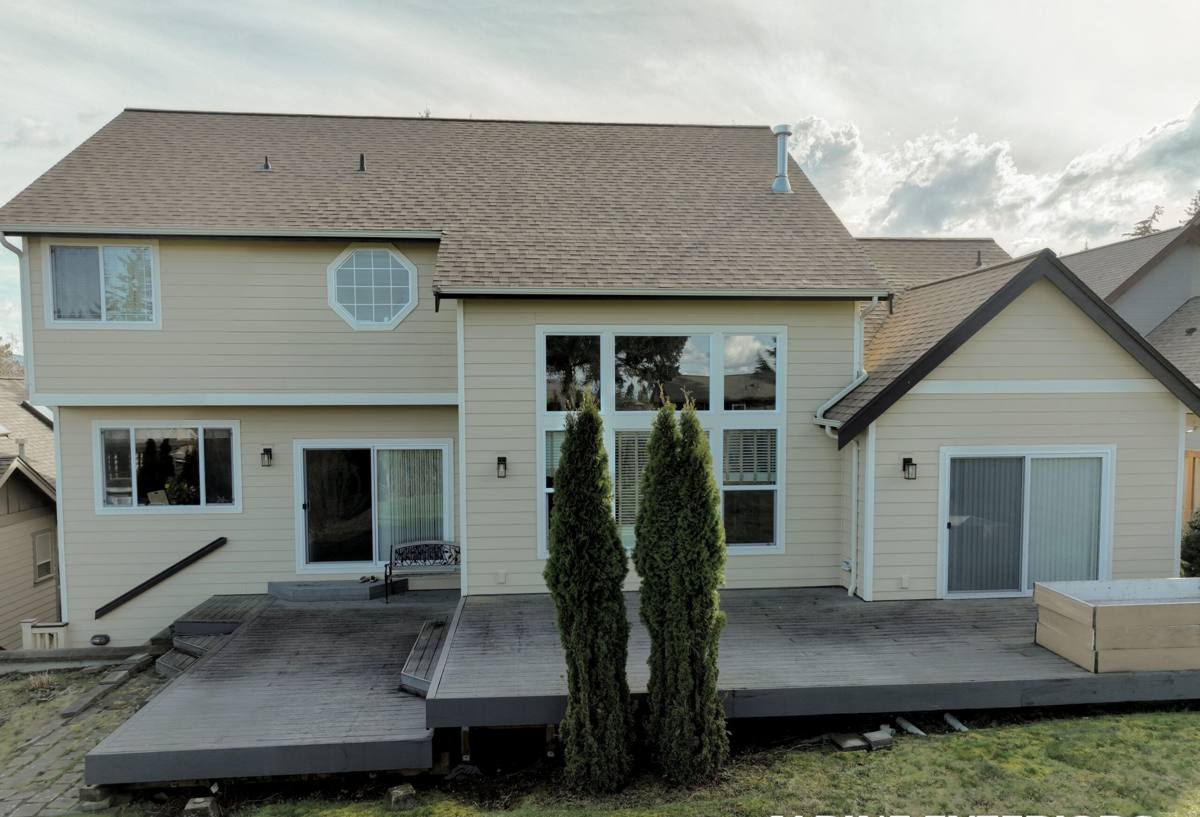
What Dunedin's Climate Actually Does to a Deck
Salt Air and Corrosion
Even homes that aren't directly waterfront in Dunedin get regular exposure to salt-carrying air, especially on the western and southern sides of a property. Salt accelerates corrosion in any fastener, bracket, or connector that isn't rated for coastal use. A deck built with standard interior-grade hardware can start showing rust streaks and weakened connections well before the decking material itself shows any wear.
UV Exposure
Central Florida sun is intense and consistent, not seasonal. Wood decking that isn't properly finished and maintained will gray, dry out, and develop surface checking faster here than in most of the country. Composite and PVC products are more UV-stable, but even those vary a lot in how well they hold color and resist surface degradation over a Florida-length summer.
Wind-Driven Rain and Moisture Cycling
Florida storms don't just drop rain straight down — wind pushes it sideways, into ledger connections, under railing posts, and into any joint that isn't properly flashed or sealed. Add in the daily humidity swings, and any deck structure has to handle constant wet-dry cycling, not just occasional exposure to moisture.
Hurricane and High-Wind Loads
Elevated decks and railing systems take real wind load during tropical storms and hurricanes. Post spacing, railing attachment, and ledger connections that would pass in a low-wind region aren't necessarily adequate here, and Florida's building code reflects that with wind-load requirements tied to the property's specific wind zone.
Choosing a Decking Material for a Dunedin Home
There's no single "best" decking material — the right choice depends on how close the home is to the water, how much upkeep the homeowner wants to do, and budget. Here's how the common options actually compare under Pinellas County conditions:
| Material | How it handles salt air & UV | Maintenance | Typical lifespan here |
|---|---|---|---|
| Pressure-treated pine | Needs sealing/staining regularly or it grays and checks fast | High — annual inspection, periodic re-sealing | 10-15 years with upkeep |
| Tropical hardwoods (e.g. ipe-type species) | Naturally dense and durable, but still needs oiling to hold color | Moderate — periodic oiling | 20-25+ years |
| Capped composite | Strong UV and moisture resistance; cap layer resists staining | Low — occasional cleaning | 25-30 years |
| Cellular PVC | Fully synthetic, doesn't absorb moisture, very stable in salt air | Low — occasional cleaning | 25-30+ years |
We install a range of these depending on what the homeowner wants, but we're upfront about trade-offs. Uncapped or budget composite products can be more prone to moisture wicking at cut ends and color fade in intense sun than fully capped composite or PVC — that's a maintenance and warranty consideration worth weighing before committing, not a reason to rule the category out entirely.
What Actually Goes Into a Correctly Built Deck
The decking boards are the part homeowners see, but the structure underneath is what determines whether the deck is still safe and solid in ten or twenty years. In a coastal climate like Dunedin's, several details matter more than they would inland:
- Ledger attachment: properly flashed and bolted where the deck ties into the house, with a moisture barrier that keeps wind-driven rain from reaching the rim joist
- Fasteners and hardware: stainless steel or coastal-rated coated fasteners and connectors, not standard interior-grade hardware
- Footings: sized and set to local soil conditions and frost-free depth requirements, engineered for the wind and load requirements of the property's zone
- Joist spacing and beam sizing: matched to the decking material's span rating, not just "what's always been done"
- Airflow underneath: enough clearance and ventilation to let the structure dry out between rain events instead of trapping moisture
- Railing and post attachment: built to current wind-load requirements, not just old convention
- Stair and guard details: rise, run, and guard height built to code, which also matters for insurance and resale
Skipping any one of these doesn't usually show up on day one. It shows up two, five, or ten years later as a soft board, a wobbly railing, or a ledger connection that's quietly failing behind the siding.
Permits and Local Code in Pinellas County
Deck construction in Dunedin generally requires a building permit, and elevated decks or any structure attached to the home almost always do. Pinellas County and the City of Dunedin apply Florida Building Code wind-load and coastal construction standards, which is part of why a deck built to a generic national standard can fall short here. We handle the permitting and inspection process as part of the job — pulling the permit, scheduling required inspections, and making sure the finished structure is documented correctly. That paperwork matters later too: an unpermitted deck can complicate a home sale or an insurance claim.
Our Deck Building Process
1. On-Site Assessment
We walk the property, look at sun and wind exposure, drainage, and how the deck will tie into the existing structure, and talk through what the homeowner actually wants to use the space for.
2. Design and Material Selection
We go over decking and railing options honestly, including cost, maintenance, and expected lifespan for that specific location — a shaded, less-exposed backyard doesn't need the same spec as a spot that takes full sun and salt air all day.
3. Permitting
We prepare and submit the permit application and engineering documentation required for the scope of the project.
4. Construction
Footings, framing, ledger work, decking, and railing — built in that order, with coastal-rated hardware throughout and attention to the drainage and flashing details that matter most in this climate.
5. Inspection and Walkthrough
We schedule required inspections and walk the finished deck with the homeowner, covering how to care for the specific material installed.
Waterfront and Near-Waterfront Considerations
A meaningful number of Dunedin properties sit on the water or close enough to it that salt exposure and elevation requirements come into play. For homes near the water, we pay extra attention to fastener and hardware selection, and to how the deck structure handles both salt exposure and, where relevant, flood zone elevation requirements. These aren't extra upsells — they're the difference between a deck that needs major hardware replacement in five years and one that doesn't.
Maintenance That Actually Matters in This Climate
Every decking material benefits from some upkeep in Pinellas County's climate, but what that upkeep looks like depends on the material:
- Rinse salt residue and debris off the deck surface periodically, especially after storms
- Check railing posts and stair connections for looseness once or twice a year
- For wood, plan on re-sealing or oiling on a regular schedule rather than waiting until it looks worn
- For composite or PVC, keep drainage gaps between boards clear of debris so water doesn't pool
- Have the substructure checked periodically, since the framing underneath is harder to inspect casually than the visible decking
Why Hire a Crew That Already Works in Dunedin
Deck building isn't uniform across the country, and it isn't even uniform across Florida. A crew that mostly works inland won't have the same instinct for hardware selection, flashing details, and wind-load framing that a crew working Pinellas County's coastline day in and day out develops. We already know what the local permitting process requires, what tends to fail first on a deck exposed to Gulf air, and which materials are worth the added cost for a specific property's exposure. That local familiarity shows up in fewer surprises during the build and a deck that's actually built for the conditions it has to survive, not just the conditions on a generic set of plans.
If you're planning a new deck or replacing one that didn't hold up the way it should have, we're glad to take a look at your property and talk through honest options. Request a free, no-pressure estimate using the form below.