 Clearwater Roofing
 Why Del Oro Homes Ask About Energy-Efficient Windows
Del Oro homeowners tend to come to us with the same short list of complaints: a west-facing room that never cools down, an air conditioner that runs constantly from May through September, window frames that feel warm to the touch by mid-afternoon, and glass that's starting to fog or crack at the seals. None of that is surprising once you look at what windows in this part of Clearwater actually deal with every year. Intense, direct sun for most of the daylight hours. Long stretches of high humidity that push moisture into any gap in a window's seal. Wind-driven rain during summer storms and the occasional tropical system. And salt-laden air drifting in off the Gulf that quietly corrodes hardware, fasteners, and untreated metal over time.
Windows are one of the biggest weak points in a home's building envelope. A window that's doing its job blocks solar heat gain, keeps conditioned air inside, resists wind and water intrusion, and shrugs off salt air without corroding or clouding. A window that isn't doing its job quietly drives up cooling costs, lets moisture creep into the wall cavity, and becomes a liability the next time a storm rolls through Pinellas County. Energy-efficient windows, installed correctly, address all of that at once — they're not just about a lower electric bill.
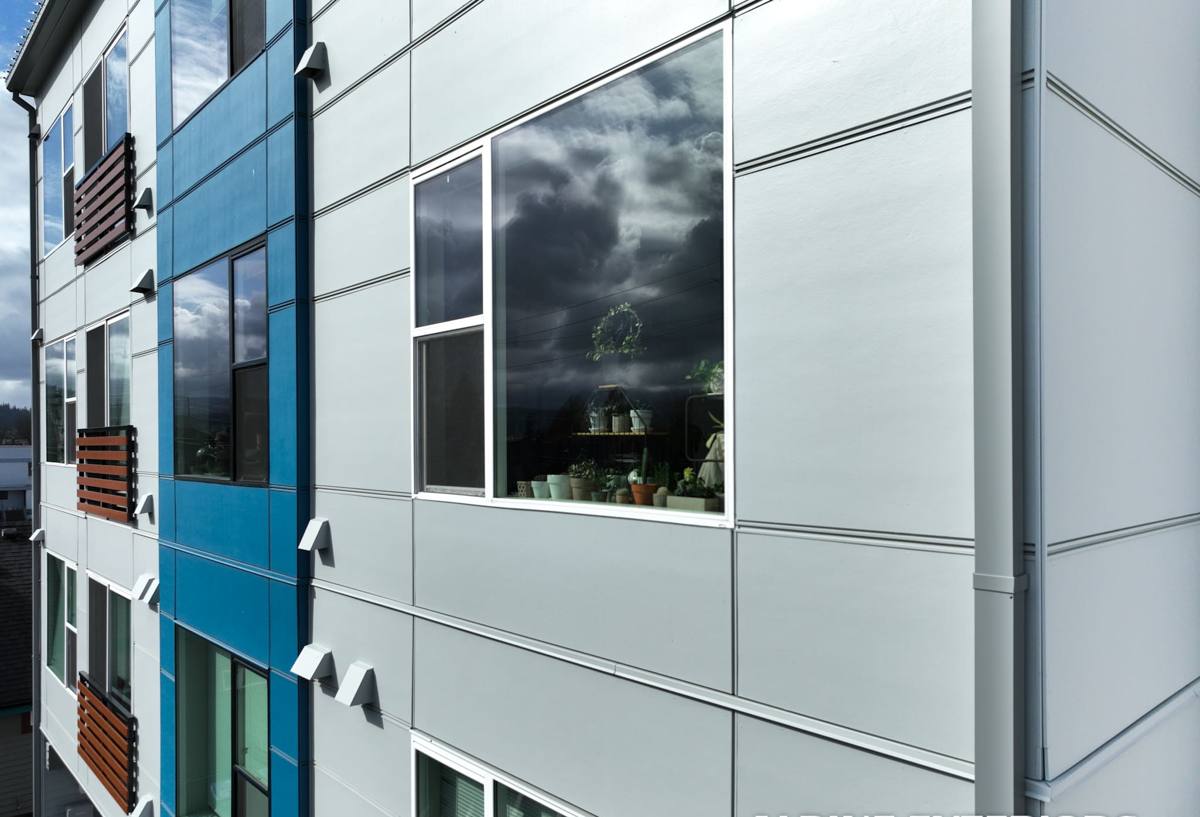
What "Energy-Efficient" Actually Means Here
The term gets used loosely in sales pitches, so it's worth being specific about what actually matters for a home in this climate. Three ratings tell you most of what you need to know:
- U-factor — how well the window resists heat transfer. Lower is better for keeping conditioned air where you want it.
- SHGC (Solar Heat Gain Coefficient) — how much solar heat passes through the glass. In a climate like Clearwater's, where the cooling season dominates the year, a lower SHGC generally matters more than it would in a heating-dominated climate up north.
- Air infiltration rating — how much air leaks through the assembly under pressure. A tight, well-installed window keeps humid outside air from sneaking past the frame.
Beyond the glass itself, frame material, spacer design, and — critically — installation quality determine whether those ratings hold up in real conditions. A high-performance window installed with a poor seal or the wrong flashing detail will underperform a mid-grade window installed correctly. We treat the installation as half the product, not an afterthought.
Impact Considerations for This Area
Clearwater and the rest of Pinellas County fall within Florida's coastal wind-borne debris region, which means window replacements here are typically required to meet a wind-load and impact standard, or be paired with approved shutter protection, depending on the specific project and permitting requirements. This isn't a Del Oro-specific rule — it applies broadly along this stretch of the Gulf Coast — but it's an important factor to plan around before you fall in love with a particular window style. We handle the permitting and code research as part of the job rather than leaving it for the homeowner to sort out.
Energy-Efficient vs. Impact-Rated: How They Compare
Homeowners often ask whether they need to choose between "energy-efficient" and "impact-rated" windows. In practice, most quality impact-rated windows sold today are also built with energy-efficient glass packages — the two aren't mutually exclusive. The table below breaks down the practical differences homeowners actually notice.
| Factor | Standard Energy-Efficient Window | Impact-Rated Energy-Efficient Window |
|---|---|---|
| Storm protection | Needs separate shutters or panels | Built-in laminated glass resists wind-borne debris |
| Noise reduction | Moderate | Noticeably better due to laminated glass layers |
| Upfront cost | Lower | Higher, but may reduce or replace shutter costs |
| Insurance considerations | Varies by policy | Can factor into windstorm mitigation credits |
| Typical use case | Interior or non-exposed elevations where local code allows | Street-facing and storm-exposed elevations |
Which combination makes sense depends on the elevation of each window, your insurance situation, and your budget. We walk through this room by room rather than quoting a one-size-fits-all package.
Frame Materials That Hold Up to Gulf Coast Conditions
Frame choice matters as much as the glass in a climate this demanding. A few honest notes based on what we see in the field:
Vinyl
Vinyl frames are a common, cost-effective choice and modern formulations handle UV exposure reasonably well, though dark colors absorb more heat and can expand more over time in constant direct sun. Quality matters — cheaper vinyl can chalk or warp faster in this climate than a well-formulated product.
Aluminum
Aluminum is strong and holds up structurally, but it conducts heat readily unless it has a proper thermal break, and untreated or lower-grade hardware can corrode faster in salt air. We only use aluminum assemblies with a thermal break and corrosion-resistant hardware in this market.
Fiberglass and Composite
Fiberglass and composite frames tend to expand and contract at a rate closer to glass, which helps seals last longer, and they generally resist UV degradation well. They typically cost more upfront, which is a real trade-off worth weighing against a longer service life.
We don't push one material as universally "best." We'll tell you honestly which option fits your home's exposure, your budget, and how long you plan to stay in the house.
Our Installation Process
A window is only as good as its installation, so we run every job through the same sequence:
- On-site assessment — we inspect existing frames, check for water damage or rot around openings, and measure each window individually rather than assuming they're all identical.
- Product and code review — we confirm which windows meet the wind-load and impact requirements for each elevation of your Del Oro home and discuss glass package options based on sun exposure per room.
- Permitting — we handle the permit application and inspection scheduling required for window replacements in Clearwater and Pinellas County.
- Removal and prep — old frames come out carefully to avoid unnecessary damage to stucco, siding, or interior trim, and we inspect the rough opening for hidden moisture damage before anything new goes in.
- Flashing and sealing — this is the step that determines whether a window actually resists wind-driven rain. We flash openings properly and use sealants rated for sustained UV and humidity exposure, not just whatever caulk is fastest to apply.
- Installation and fastening — windows are set plumb, level, and square, and fastened to manufacturer and code specifications for wind resistance.
- Final inspection and cleanup — we test operation, check seals, and pass final inspection before considering the job done.
Signs Your Windows Need Attention
Not every window needs full replacement right away, but a few warning signs mean it's worth having a crew take a look:
- Fogging or a hazy film between panes of double-pane glass (a sign the seal has failed)
- Windows that feel drafty or let in noticeably more outside noise than they used to
- Frames that are cracked, chalking heavily, or visibly warped
- Difficulty opening, closing, or locking a window that used to operate smoothly
- Soft or discolored drywall, trim, or stucco around a window opening — a sign of past water intrusion
- A noticeable jump in cooling costs without a clear cause elsewhere in the home
- Hardware showing rust or corrosion, particularly on homes closer to the water
Why a Crew That Already Works in Del Oro Matters
Window replacement isn't just a product decision — it's a project that depends on understanding the housing stock, permitting process, and climate conditions specific to this part of Clearwater. A crew that regularly works in Del Oro already knows what typical rough openings look like in homes of this area's common construction eras, what the county's permitting and inspection process expects, and how quickly UV and salt air can degrade lower-quality materials here compared to a more inland or northern climate. That familiarity translates into fewer surprises mid-project and a more accurate estimate up front, rather than change orders once the old frames come out.
It also means we're not disappearing after the install. If a seal needs attention or a warranty question comes up two years down the road, we're still working in the neighborhood and easy to reach — not a crew that passed through once for a one-off job.
Maintenance That Extends the Life of New Windows
Energy-efficient windows are a long-term investment, and a little routine care goes a long way in this climate:
- Rinse frames and glass periodically to clear salt residue, especially on homes closer to the water
- Check and clean weep holes so water drains properly instead of pooling at the sill
- Inspect exterior caulk and sealant lines yearly for cracking or gaps, particularly after storm season
- Lubricate hardware and tracks occasionally to keep locks and rollers operating smoothly
- Have seals and frames checked after any major storm event, even if damage isn't obvious from inside
Getting an Honest Estimate
Every Del Oro home is a little different — sun exposure varies by elevation, some homes have more wind-code exposure than others, and existing frame condition affects the scope of work. Rather than quoting a flat per-window price sight unseen, we look at your specific home before putting together a recommendation. If you'd like a straightforward, no-pressure estimate on energy-efficient windows for your home, use the form below and we'll set up a time to take a look.