 Clearwater Roofing
 Storm Damage Roof Repair for Del Oro Homes
Del Oro sits inside Clearwater's reach of Tampa Bay weather, which means every roof in the neighborhood is on a collision course with wind, rain, and sun on a schedule most homeowners never think about until a storm forces the issue. When a system rolls through with sustained gusts or a squall line dumps wind-driven rain sideways across a roof deck, the damage isn't always obvious from the ground. We repair storm-damaged roofs in Del Oro on a regular basis, and the patterns we see here are shaped directly by the local climate and the housing stock common to this part of Pinellas County.
This page covers what storm damage actually looks like on a Del Oro roof, what a correct repair involves, and how our process works from first call to final inspection.
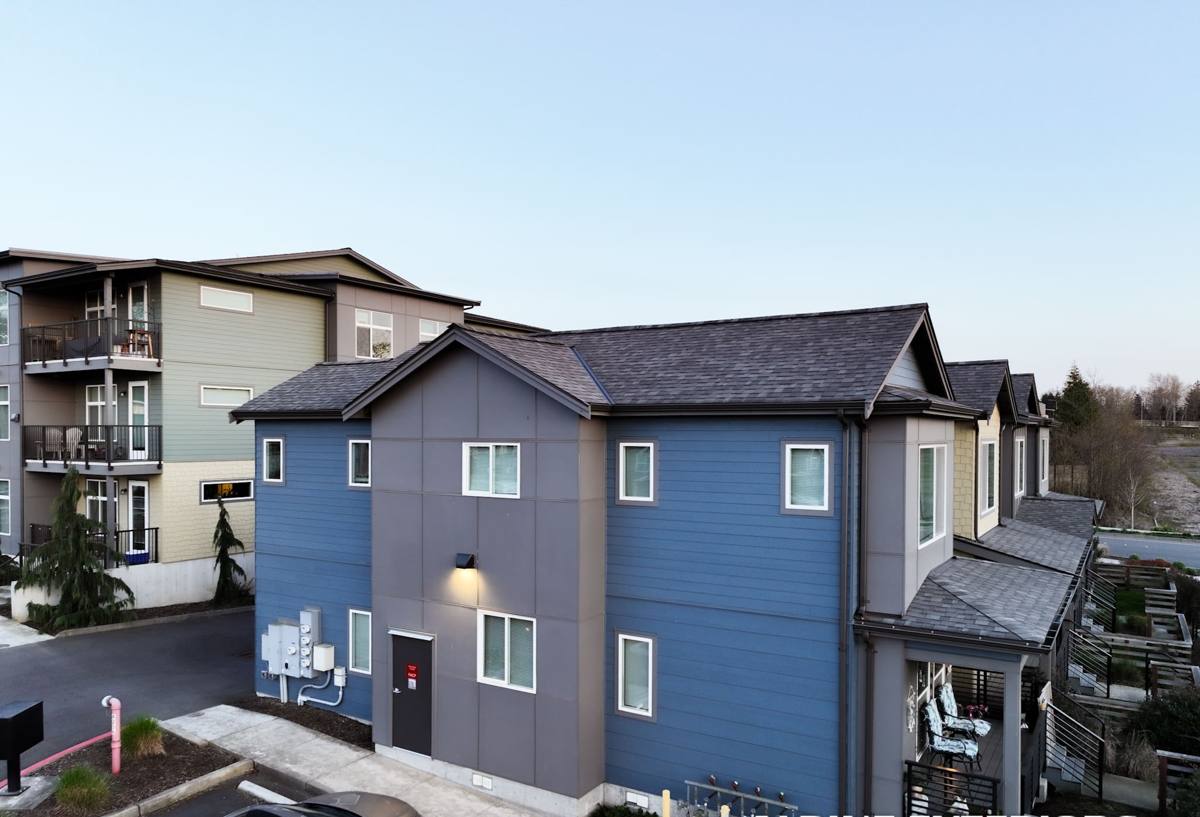
Why Del Oro Roofs Take a Beating
Clearwater's exposure to hurricane-force winds is the headline risk, but it's rarely the only factor at play. Most of the roofs we assess in Del Oro are dealing with a combination of stressors that compound over time:
- Wind uplift — sustained coastal winds and tropical system gusts work at shingle tabs, ridge caps, and flashing edges, loosening fasteners even when nothing visibly blows off.
- Wind-driven rain — rain pushed sideways at high speed finds its way under shingles and around penetrations that would shed a normal vertical rainfall without issue.
- Year-round UV exposure — Florida sun bakes asphalt shingles and dries out sealant strips faster than in most parts of the country, so roofs here are often more brittle than their age would suggest going into storm season.
- Salt air corrosion — proximity to the bay accelerates rust on exposed fasteners, flashing, and metal roof panels, weakening connections before a storm ever arrives.
None of these factors cause damage on their own most years. The problem is that they stack — a roof that's already UV-brittle and slightly corroded from salt air has far less margin left when a strong wind event hits.
What Storm Damage Actually Looks Like
Visible Damage
Missing shingles, exposed underlayment, dented or torn metal panels, and debris punctures are the damage homeowners spot immediately. These need tarping and repair fast, because an open roof deck means every subsequent rain event compounds the interior damage.
Damage That Hides
The damage that costs homeowners the most is usually invisible from the driveway. Wind can lift shingle tabs just enough to break the sealant bond without tearing the shingle off — the roof looks intact but no longer sheds water correctly. Flashing around chimneys, skylights, and wall intersections can separate slightly at the fasteners. Granule loss from wind abrasion thins a shingle's UV protection without an obvious visual sign. We check for all of these on every storm inspection, not just the parts of the roof visible from ground level.
Our Storm Damage Repair Process
1. Assessment
We inspect the full roof system — deck, underlayment, flashing, penetrations, and shingle or panel condition — not just the area a homeowner flags. Storm damage in one section often means stress in adjacent areas that hasn't failed yet.
2. Emergency Mitigation
If the deck is exposed or a leak is active, we tarp and stabilize the area first. This step matters more in our climate than most, because a delay of even a day or two between a storm and mitigation, combined with Florida humidity, can turn a roof repair into a roof-plus-interior repair.
3. Documentation
We photograph and document damage in a format that holds up for insurance review, whether or not a claim is ultimately filed. Good documentation early is far more useful than trying to reconstruct what happened weeks later.
4. Repair Scope and Estimate
We give a clear, honest scope: what needs to be repaired, what's cosmetic versus structural, and what a full replacement would look like if the roof is past the point where targeted repair makes sense. We don't pad a repair scope to justify a replacement, and we don't minimize damage to win a smaller job.
5. Repair Execution
Work is matched to manufacturer installation standards for the specific shingle, tile, or metal system on the roof, with attention to proper flashing integration and fastener patterns suited to high-wind exposure.
6. Final Walkthrough
We walk the completed repair with the homeowner and confirm the scope was fully addressed before calling the job done.
Repair or Replace: How We Make That Call
Not every storm-damaged roof needs full replacement, and not every roof that "looks fine" from the street is actually a good repair candidate. The decision comes down to a few honest factors:
| Factor | Favors Repair | Favors Replacement |
|---|---|---|
| Roof age | Under 10-12 years, still within useful life | Near or past manufacturer-rated lifespan |
| Damage extent | Localized to one section or system | Widespread across multiple roof planes |
| Deck condition | Sound, no rot or delamination found | Soft spots, moisture staining, or rot present |
| Prior repair history | First or second storm repair | Repeated patch history on the same roof |
| Insurance scope | Adjuster scope matches a repair approach | Adjuster scope indicates full-slope or full-roof loss |
We'll tell you plainly which side of this table your roof falls on, and why, rather than defaulting to whichever answer is more profitable for us.
Materials and Repair Approach Comparison
Del Oro has a mix of roofing systems, and the right repair approach depends on what's already installed. Here's how the common systems compare when it comes to storm repair:
| Roof Type | Typical Storm Vulnerability | Repair Considerations |
|---|---|---|
| Asphalt shingle | Wind uplift at tabs, granule loss, UV brittleness | Sealant re-adhesion often insufficient after wind exposure; matching shingle color/line for older roofs can be limited |
| Tile (concrete or clay) | Cracked or displaced tiles, underlayment failure beneath intact-looking tiles | Underlayment condition matters more than the tiles themselves; a tile can look fine while the layer beneath it has failed |
| Metal panel | Panel edge lift, fastener backout, seam separation | Fastener replacement and torque matter more than panel cosmetics; salt air accelerates fastener corrosion at the coast |
| Flat/low-slope | Ponding after wind-driven rain, membrane seam stress | Drainage path check is essential — repairs that ignore ponding patterns tend to fail again in the next storm |
Working With Insurance
Most storm repair jobs in this area involve an insurance claim at some point, and the process goes smoother when documentation is thorough from the start. We provide the kind of damage records adjusters expect — dated photos, measurements, and a written scope — and we're available to walk the roof with an adjuster if that's useful. We don't inflate estimates to chase a bigger payout, and we don't tell homeowners what an adjuster will approve, because that's genuinely not our call to make. Our job is to document the damage accurately and repair it correctly once a scope is agreed on.
What to Do After a Storm: A Homeowner Checklist
- Do a ground-level walk of the property looking for shingles, tile fragments, or metal debris in the yard.
- Check ceilings and upper-floor closets for new water stains, even faint ones.
- Photograph any visible roof damage from the ground if it's safe to do so — do not get on the roof yourself after a storm.
- Note the date and approximate storm event for insurance reference.
- Cover active leaks temporarily with a bucket or tarp indoors if water is entering, and call for an inspection promptly.
- Avoid signing any repair contract or insurance authorization the same day a storm-chasing crew knocks on your door — get a second opinion from a locally established contractor.
Why a Crew That Already Works Del Oro Matters
Storm repair isn't the place to gamble on an unfamiliar contractor, and after any significant weather event, Pinellas County sees an influx of out-of-town crews looking for quick work before moving on. A contractor who already works in Del Oro understands the housing stock, the typical roof ages in the area, and how local roofs tend to fail under wind and rain stress — which means a faster, more accurate assessment instead of guesswork. Local presence also matters for the part homeowners care about after the crew leaves: being reachable if a repair needs a follow-up visit, and having a track record in the community rather than a phone number that stops working once the season's demand dries up.
Clearwater and the wider Pinellas County coast get real storm seasons, and a roof here needs a contractor who treats that as normal business, not a once-a-year emergency response.
If your Del Oro roof has storm damage — visible or suspected — we're happy to take a look and give you a straight answer on what it needs. Request a free, no-pressure estimate using the form below.