 Clearwater Roofing
 New Roofs Built for Downtown Clearwater's Climate
Downtown Clearwater sits close to the Gulf, which means the roofs here work harder than roofs almost anywhere else in the country. Between hurricane-force wind events, intense year-round UV exposure, wind-driven rain that finds every weak seam, and salt-laden air that accelerates corrosion on metal components, a roof in this part of Pinellas County is under constant, compounding stress. A new roof installation here isn't just about covering the house — it's about specifying materials and installation methods that are matched to those specific conditions from day one.
We install new roofs on homes throughout Downtown Clearwater and the surrounding neighborhoods, and this page walks through what that actually involves: what local homes need, what a correct installation looks like step by step, and why the local factor matters more than most homeowners realize until something goes wrong.
What Downtown Clearwater Homes Typically Need
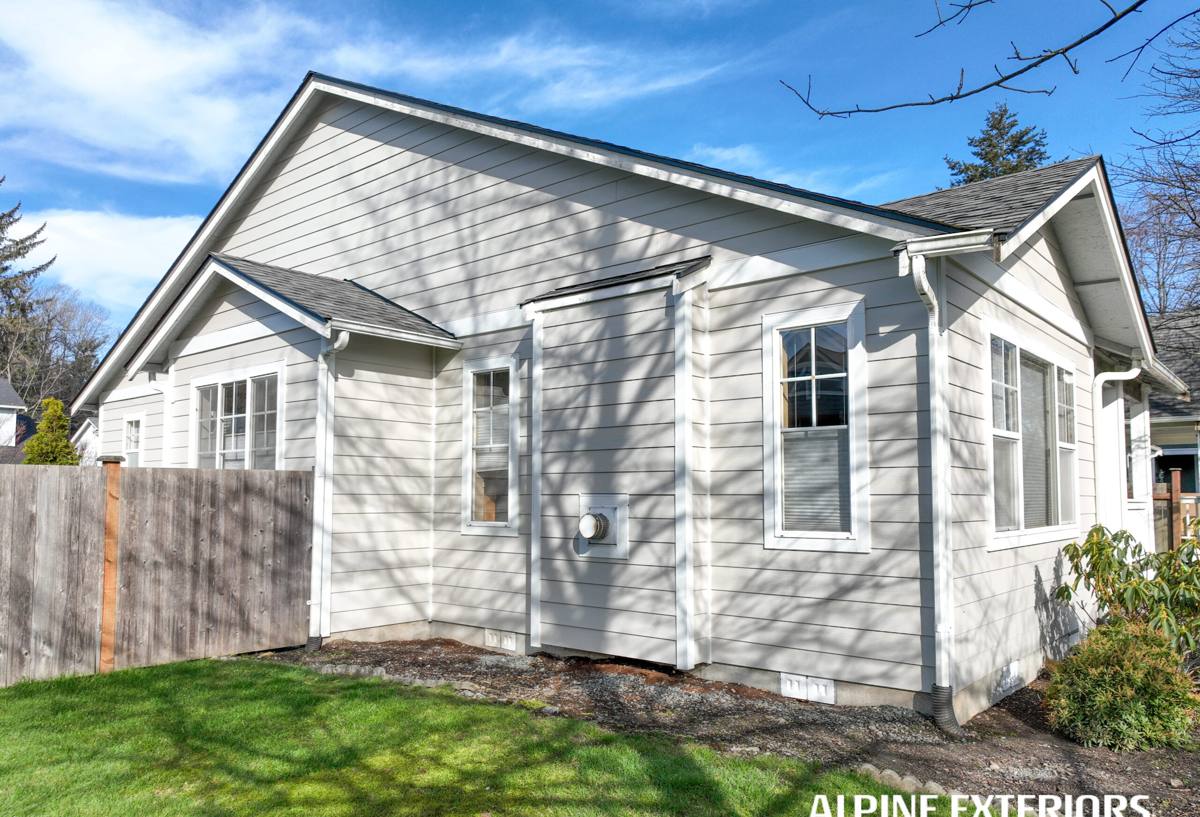
Downtown Clearwater's housing stock is a mix — older bungalow and mid-century homes alongside newer infill construction, many on smaller, closer-set lots with mature tree canopy nearby. That combination creates a few recurring realities we plan around on every installation:
- Mixed roof ages and substrates. Older homes may still have original wood decking or additions with mismatched roof lines that require careful transition work.
- Tree cover and debris. Overhanging limbs mean more granule wear, more organic debris in valleys, and a higher chance of impact damage during storms.
- Tight lot access. Staging materials and running a tear-off safely on a smaller urban lot takes more planning than a suburban acre.
- Proximity to the water. Homes closer to Clearwater Harbor and the Gulf see faster corrosion on exposed fasteners, flashing, and vents unless those components are specified correctly.
None of this makes a Downtown Clearwater roof fundamentally different in structure — but it does change which products and details we prioritize.
Roofing Materials That Actually Hold Up Here
There's no single "best" roofing material for every home — it depends on your roof's pitch, your budget, and how long you plan to stay in the house. What matters is understanding the real trade-offs for coastal Pinellas County conditions rather than picking based on looks alone.
| Material | Wind Performance | UV/Heat Handling | Salt Air Resistance | Typical Lifespan |
|---|---|---|---|---|
| Architectural asphalt shingle | Good, when rated and installed to spec | Good with reflective/cool-roof granules | Good; fasteners and flashing matter most | 20-30 years |
| Standing seam metal | Excellent | Excellent, especially light colors | Very good with coastal-grade fasteners; poor if the wrong hardware is used | 40-50+ years |
| Concrete or clay tile | Excellent when properly fastened | Excellent | Excellent for the tile itself; underlayment is the weak point | 40-50+ years |
| Modified bitumen / low-slope systems | Good on flat additions when detailed correctly | Fair to good depending on cap sheet | Good with proper edge and seam detailing | 15-20 years |
A recurring theme in that table: the base material often isn't the point of failure — the fasteners, flashing, and underlayment underneath it are. That's true for shingles, metal, and tile alike, and it's exactly where corner-cutting shows up years later as a leak.
Why We're Selective About Certain Products
Some roofing systems that perform fine in drier, calmer climates are more installation-sensitive here. Low-slope membranes with weak seam detailing, for example, can trap moisture under wind-driven rain if the laps aren't run correctly, and standard (non-coastal) fasteners on any metal component will corrode faster in salt air regardless of brand. Our standard is to spec coastal-rated hardware and proven underlayment systems on every job, even when it costs a bit more up front — it's a maintenance and longevity decision, not a brand preference.
What a Correct New Roof Installation Actually Involves
A new roof is only as good as what happens before the new material ever goes down. The steps that get skipped on rushed jobs are usually the ones that matter most in a storm.
1. Full Tear-Off and Deck Inspection
We remove the existing roofing down to the deck rather than layering over it. This is the only way to actually see the plywood or board sheathing underneath — soft spots, water staining, and rot don't show up until the old material is off. Any damaged decking gets replaced before anything else happens.
2. Underlayment and Water Barrier
A synthetic or self-adhering underlayment goes down next, with extra attention at valleys, eaves, and any low-slope transitions where wind-driven rain is most likely to be pushed uphill under the roof covering — a real risk during the tropical storms and hurricane bands that pass through this part of the Gulf coast most years.
3. Flashing at Every Penetration
Chimneys, skylights, vent stacks, and wall transitions all need new, properly lapped flashing — not caulk over old metal. Flashing failure is one of the most common causes of "mystery leaks" on roofs that are otherwise in good shape.
4. Wind-Rated Fastening
Nail or fastener pattern, type, and spacing are specified to meet the wind rating required for the product and the home's exposure — not just "enough to hold it down." This is the detail that determines whether shingles or panels stay attached in a major wind event.
5. Ventilation Balance
Intake and exhaust ventilation are checked and corrected as part of the install, not treated as an afterthought (more on this below).
6. Final Inspection and Cleanup
A completed roof gets a final walkthrough, magnetic sweep for stray fasteners, and full debris cleanup before we consider the job done.
Wind Ratings, Codes, and Permits in Pinellas County
Florida's building code sets minimum wind-resistance requirements for roofing based on your location's design wind speed, and Pinellas County enforces those requirements through its permitting and inspection process. A new roof installation requires a permit, and it should include the required inspections along the way — not just a final sign-off. If a contractor suggests skipping the permit "to save time," that's a red flag, not a favor: an unpermitted roof can complicate insurance claims and resale down the road.
It's also worth understanding the wind mitigation inspection, which is separate from the building permit. After a new roof install, a wind mitigation inspection documents features like roof shape, deck attachment, and roof-to-wall connections that can qualify you for meaningful homeowners insurance discounts. We can point you toward this after your install, and many homeowners recover part of the roofing cost over time through lower premiums.
Our Process for a Downtown Clearwater Installation
- On-site inspection and estimate. We look at the existing roof, attic, and any problem areas, and give you a straightforward written estimate — no pressure, no inflated urgency.
- Material selection. We walk through the real trade-offs for your roof pitch, budget, and how long you plan to stay in the home.
- Permitting. We handle the Pinellas County/City of Clearwater permit paperwork before work begins.
- Scheduling around weather. We watch the forecast and avoid starting a tear-off when rain or high wind is likely within the install window.
- Tear-off and installation. Full removal, deck repair as needed, underlayment, flashing, and the new roofing system installed to spec.
- Inspections. Required county inspections are scheduled and passed as part of the job, not left to you afterward.
- Final walkthrough and cleanup. We review the finished roof with you and make sure the property is left clean.
Ventilation and Moisture — Often Overlooked
Florida's heat and humidity make attic ventilation a bigger deal than most homeowners realize. An attic that can't exhaust hot, moist air properly will run shingles hotter than they need to, shorten their service life, and in some cases contribute to condensation issues on the underside of the deck. When we install a new roof, we check that intake (soffit) and exhaust (ridge or box vents) are balanced for the attic's size — adding or correcting ventilation as part of the job rather than as a separate, easily-skipped line item.
Timing and Scheduling Around Hurricane Season
Roofing work in Clearwater has to be planned around Florida's wet season and the annual hurricane season (June through November). A few practical realities:
- Tear-offs are scheduled to minimize the time your deck is exposed — ideally a same-day dry-in.
- Materials are staged and secured daily; an active job site isn't left vulnerable to a sudden afternoon storm.
- Spring and early summer tend to have more predictable weather windows than peak hurricane season, which is worth factoring in if your roof replacement isn't urgent.
- If your roof is already compromised heading into storm season, that's a reason to move sooner rather than wait for a "better" time.
Why a Local Clearwater Crew Matters
A roofing crew that regularly works in and around Downtown Clearwater brings a few concrete advantages over an out-of-area contractor: familiarity with the county permitting process and inspection expectations, faster response if a problem shows up after the install, and a working knowledge of how this specific stretch of coastline treats roofing materials over time. Salt air and Gulf humidity don't behave the same way twenty miles inland, and a crew that sees these roofs year after year knows which details actually matter here versus which are generic best practices from a different climate.
Questions Worth Asking Before You Hire
- Is the tear-off going down to bare decking, or is anything being layered over?
- What underlayment and flashing products are being used, and are they rated for coastal exposure?
- Is the fastening pattern matched to the wind rating required for this roof?
- Is a permit being pulled, and will the required inspections happen?
- Is attic ventilation being checked and corrected as part of the job?
- What does the manufacturer's warranty require, and is the contractor certified to honor it?
If a contractor can't give you clear, specific answers to these questions, that's worth noting before you sign anything.
If you're weighing a new roof for a home in Downtown Clearwater, we're happy to take a look and give you a straightforward, no-pressure estimate — just fill out the form below and we'll follow up to schedule a time.