 Clearwater Roofing
 Why Dunedin's Coastal Climate Is Hard on Windows
Dunedin sits right on the Pinellas County coastline, close enough to the Gulf of Mexico and the causeway out to Honeymoon Island that salt air is just part of daily life. That same location is what makes windows here work harder than windows almost anywhere inland. A window that would last decades in a drier, calmer climate can start failing in Dunedin in a fraction of that time if it wasn't built or installed with this environment in mind.
Four things do most of the damage. Hurricane-force winds during tropical storms and hurricanes test every seal, fastener, and frame joint, and a weak point anywhere in the assembly can turn into a leak or a failure fast. Intense, near-constant UV exposure breaks down vinyl, weatherstripping, and glazing compounds over time, making frames brittle and seals less effective years before a homeowner expects to replace them. Wind-driven rain pushes water sideways and even upward into gaps that would never leak in a normal rainstorm, which is why flashing and sealant details matter so much more here than they do in most parts of the country. And salt air corrodes hardware, pits aluminum components, and accelerates rust on screws, hinges, and locks that aren't rated for a coastal environment.
None of that means custom windows are a bad investment in Dunedin — it means the product and the installation both have to be matched to the conditions, not just picked off a shelf.
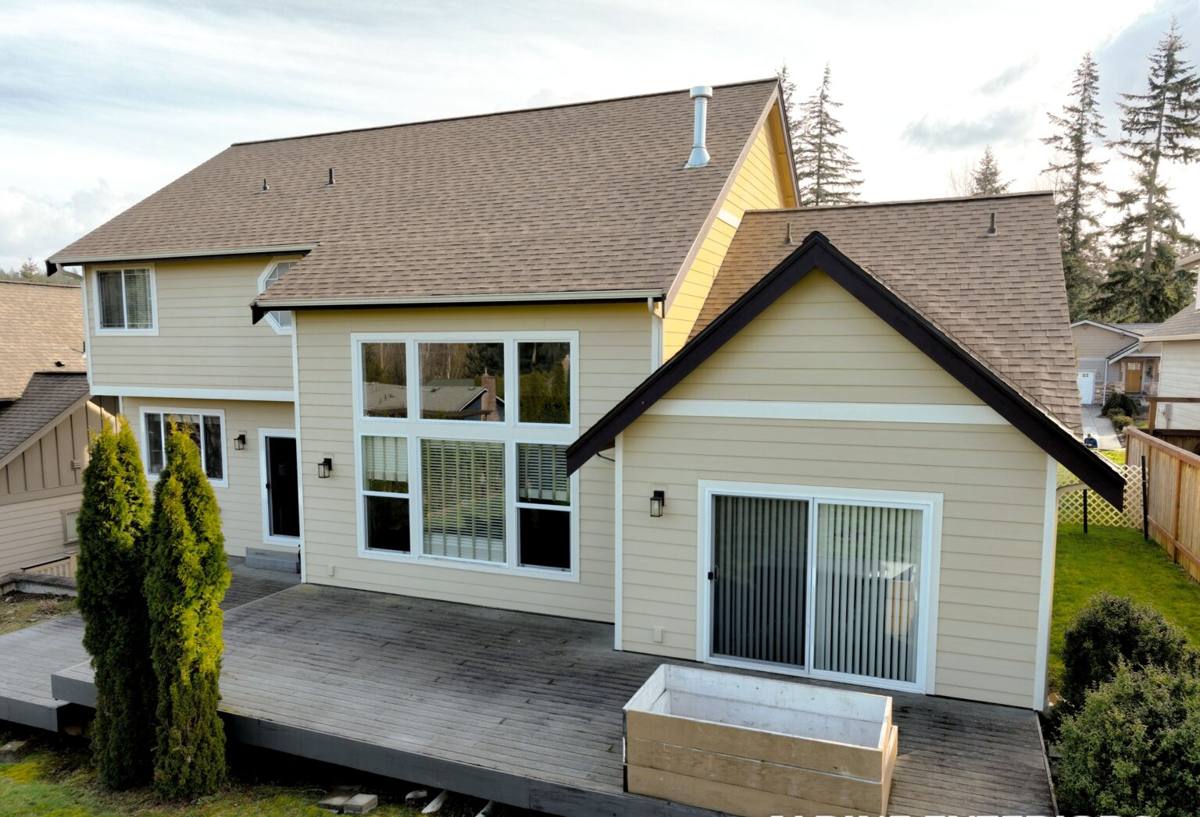
What Makes a Window Installation "Custom" in an Older Dunedin Home
Odd-Sized and Non-Standard Openings
Dunedin has a lot of older housing stock — bungalows, ranch homes, and mid-century construction with openings that were framed long before modern stock window sizes existed. Block construction, older wood framing, and additions built at different times all add up to openings that rarely match today's standard sizes exactly. A custom window is built to the actual opening, not the other way around, which avoids the shortcuts — oversized shims, cut-down frames, gaps packed with extra caulk — that cause leaks and drafts down the road.
Matching the Look of the House
Custom also means matching the character of the home. Grid patterns, sightlines, trim profiles, and even glass tint can all be selected to keep a historic or established-neighborhood look intact while upgrading everything behind the glass — the seals, the frame material, the impact rating. Homeowners in Dunedin's older neighborhoods often care as much about keeping that visual character as they do about performance, and a good custom job delivers both.
Wind, Impact, and Florida Building Code Requirements
Wind-Borne Debris and Product Approval
Pinellas County isn't in Florida's High-Velocity Hurricane Zone — that designation applies to Miami-Dade and Broward Counties — but it is still governed by the Florida Building Code's wind load and wind-borne debris requirements for our region. In practice, that means windows installed here need to carry the correct Florida Product Approval (FL#) rating for the specific design pressure and wind zone of the home's location, and either impact-rated glass or an approved protective system has to be part of the plan. Skipping this step, or installing a window rated for a calmer climate, is one of the most common — and most expensive — mistakes homeowners run into when they don't use a contractor familiar with local code.
Permits and Inspections
Window replacement and new installations in Dunedin typically require a permit and inspection through the local building department. That process exists to confirm the product approval matches the installation and that the work was done to code — it isn't a formality to work around. A contractor who pulls permits routinely in this area knows what inspectors are looking for and builds the job to pass the first time, rather than leaving the homeowner to sort out a failed inspection after the fact.
Choosing the Right Frame Material and Glass
There isn't one "best" window for every Dunedin home — the right choice depends on budget, how exposed the home is to direct salt spray, and how much maintenance the homeowner wants to do. Here's how the common frame options generally compare in this climate:
| Frame Material | Salt-Air Durability | Maintenance | Typical Use |
|---|---|---|---|
| Vinyl | Good — won't corrode, but can become brittle under years of intense UV | Low | Budget-conscious full replacements |
| Aluminum | Fair — durable but prone to pitting and corrosion near the water without proper coatings | Moderate | Impact windows, larger openings, storefront-style glazing |
| Fiberglass | Very good — stable in heat and resistant to corrosion | Low | Homeowners wanting long-term durability with less upkeep |
| Wood or wood-clad | Poor without diligent upkeep — humidity and salt air accelerate rot and finish failure | High | Historic-look homes where appearance is the priority |
Glass matters as much as the frame. Impact-rated laminated glass is the most common choice for Dunedin homeowners who want permanent hurricane protection without shutters, while low-E coatings help cut down on the UV and heat load that a west- or south-facing Florida home takes on all year.
How We Install Custom Windows the Right Way
A correct window installation is mostly about what happens before and around the window itself, not just setting it in the opening. Our process generally follows these steps:
- Precise measurement of the actual opening, not an assumed standard size, accounting for out-of-square or out-of-level conditions common in older framing.
- Careful removal of the old window down to the rough opening, with the surrounding framing and sill inspected for rot, moisture damage, or termite damage before anything new goes in.
- Repair of any damaged framing found during removal — installing a new window into a compromised opening just hides a bigger problem.
- Installation of proper flashing at the sill and sides, set up to shed water outward and downward, ahead of any sealant being applied.
- Shimming and fastening the frame per the manufacturer's and product approval's specifications, so the unit performs at its rated wind and impact resistance.
- Sealing with the correct exterior-grade sealant, matched to the frame material and inspected for full, continuous coverage — no gaps, no shortcuts.
- Insulating the gap between the frame and rough opening correctly, without overpacking it in a way that bows the frame.
- Interior and exterior trim finished to match the home, followed by a final check of operation, locks, and weep holes before we call the job done.
Mistakes That Cause Leaks and Failures Down the Road
Most window failures in this climate don't come from a bad product — they come from an installation that skipped a step. The most common issues we see when correcting other contractors' work include sealant used as a substitute for proper flashing instead of a backup to it, fasteners spaced too far apart to meet the wind load the window is actually rated for, rough openings that were never checked for hidden rot before the new window went in, and impact glass installed correctly but paired with a frame or anchoring method that wasn't rated for the same wind zone. Any one of these can look fine on installation day and still fail during the next major storm or simply age badly under years of sun and salt.
Living With Salt Air: Maintenance That Actually Matters
Even a well-installed custom window benefits from a little regular attention in a salt-air environment. It doesn't take much time, but it does make a real difference in how long the window performs at its best:
- Rinse frames and hardware periodically to clear salt residue, especially on homes closer to open water.
- Check that weep holes along the bottom of the frame stay clear so water can drain instead of pooling.
- Inspect exterior sealant annually for cracking or separation, particularly after a hard storm season.
- Operate locks and hardware regularly and watch for early signs of corrosion or stiffness.
- Clean tracks so debris doesn't wear down rollers or interfere with a tight seal when the window is closed.
Why a Crew That Already Works Dunedin Is Worth It
A window crew that regularly works in Dunedin already knows the local wind zone requirements, has a working relationship with the local permitting process, and has seen the kinds of openings and framing quirks that show up in this area's older homes. That familiarity shows up in fewer surprises during the job, a permit process that goes smoothly instead of getting held up, and a finished installation that's actually built for the wind, rain, and salt conditions this specific part of Pinellas County deals with — not a generic install pulled from a national playbook.
It also matters after the job is done. A local crew is easy to reach if a question comes up during the next storm season, and accountability is a lot more real when the company doing the work is based in the same community as the home.
What to Ask Before You Hire
Before signing off on any window installation in Dunedin, it's worth confirming a few things directly with the contractor:
- Are you licensed and insured to do window installation work in Pinellas County?
- Will the windows carry a Florida Product Approval (FL#) matched to my home's actual wind zone and design pressure?
- Will you pull the required permit and schedule the inspection, rather than leaving that to me?
- What does your installation include for flashing and sealant, specifically — not just the window unit itself?
- Will you check and repair any rot or framing damage found during removal, or is that a separate conversation later?
- What's the warranty on both the product and your labor, and who do I call if there's an issue after a storm?
If you're weighing custom windows for a home in Dunedin, we're happy to take a look and walk you through what your specific home needs. Reach out for a free, no-pressure estimate using the form below.