 Clearwater Roofing
 Building New in Dunedin? The Windows Are a Structural Decision, Not a Finishing Touch
If you're framing a new home or a ground-up addition in Dunedin, the windows you choose and how they're installed will affect this house for the next 20-plus years. New-construction windows are set into the rough openings before the exterior finish goes on, which means the installer is also responsible for how those openings get flashed, sealed, and tied into the water-resistive barrier. Get that wrong and you won't see the problem for a few years — you'll see it as a stain on the drywall after the next tropical storm. Get it right, and the windows become one of the more durable, low-maintenance parts of the house.
We install new-construction windows for builders and homeowners throughout Dunedin and the surrounding Clearwater area, and we size and detail every opening around what this specific stretch of the Gulf coast throws at a house.
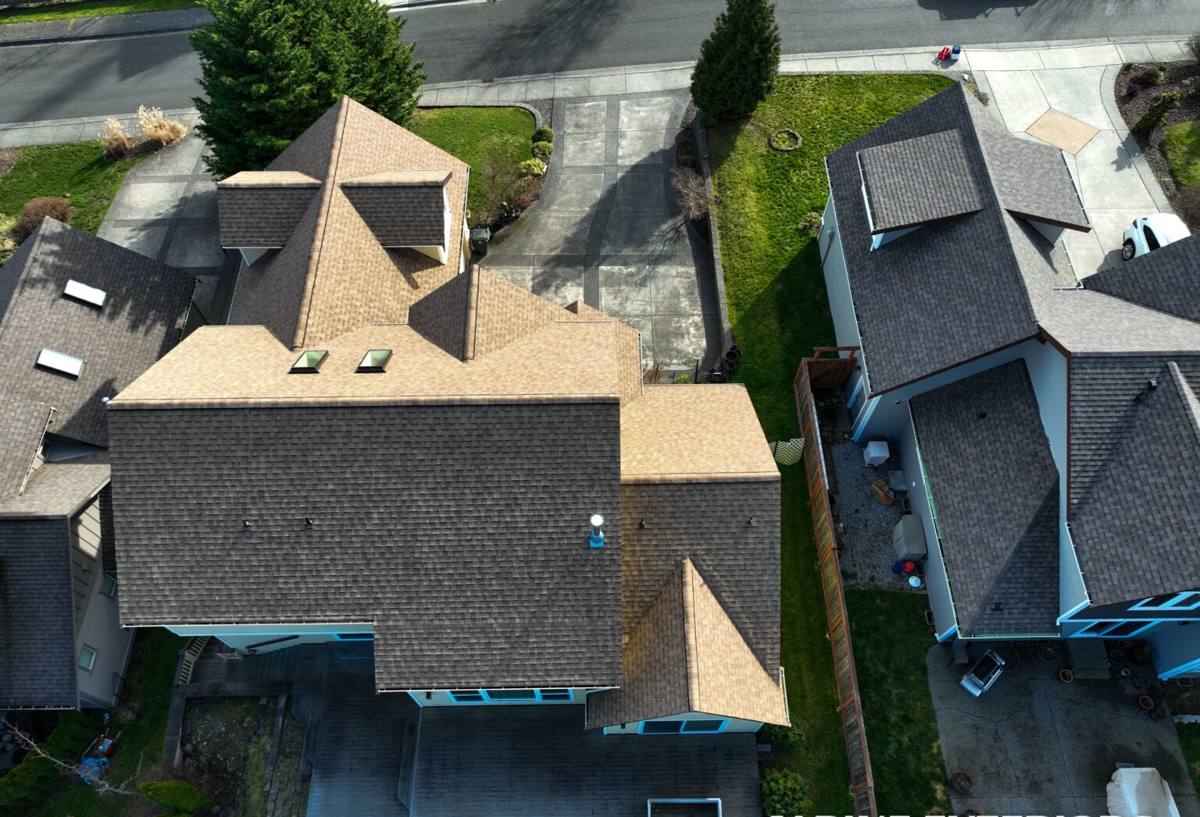
What Dunedin's Climate Actually Demands From New-Construction Windows
Dunedin sits on the Pinellas County coastline, which means the windows in a new build are working against a combination of stresses that inland Florida homes don't deal with to the same degree: hurricane-force wind loads, near-constant UV exposure, wind-driven rain, and salt air moving in off the Gulf. None of these are hypothetical — they're baked into the code requirements and product selection from day one.
Wind and Impact Requirements
Pinellas County new construction falls under Florida Building Code wind provisions tied to your specific site's design wind speed and exposure category. Depending on the exact location and elevation, that typically means windows rated for high wind pressures, and in many cases impact-rated glazing or an approved opening-protection system. Every window we install carries a Florida Product Approval (or Miami-Dade NOA where applicable) matched to the home's design pressure requirements — this isn't optional paperwork, it's what determines whether the window stays intact when it's actually tested by a storm.
UV and Heat Load
Florida sun is hard on glass, seals, and frame finishes year-round, not just in summer. Low-E coatings and the right glass package cut down on solar heat gain and UV degradation of interior furnishings, and they meaningfully reduce the load on the HVAC system — worth factoring into the budget now rather than retrofitting film later.
Salt Air and Coastal Corrosion
Being close to the coast, Dunedin homes see more airborne salt than a house 20 miles inland. That affects frame material choice and hardware — cheaper hardware and uncoated fasteners corrode faster in this environment, which is why frame material and fastener spec matter more here than they would in a drier, inland climate.
New-Construction vs. Replacement Windows — Why the Distinction Matters
These are two different products installed two different ways, and mixing them up on a new build causes real problems. New-construction windows have a nailing fin around the perimeter that gets fastened to the framing before exterior finishes go on, which lets the flashing and water-resistive barrier integrate properly. Replacement (block-frame) windows are designed to go into an existing finished opening without disturbing the exterior — they're the wrong product for a house that's still open to the studs.
| Factor | New-Construction Window | Replacement Window |
|---|---|---|
| Installation stage | Before exterior finish (siding, stucco, etc.) | After exterior finish is complete |
| Attachment method | Nailing fin fastened to framing | Fastened through existing frame/block |
| Flashing integration | Full integration with WRB and flashing tape | Sealant-dependent, limited flashing access |
| Best fit | New builds, additions, gut-to-the-studs remodels | Occupied homes with intact exterior finish |
On a Dunedin new build, new-construction windows are almost always the right call because they let us build proper drainage and flashing into the wall assembly from the start — something you can't fully do once the exterior is closed up.
What a Correct New-Construction Window Installation Involves
Product Selection and Code Compliance
Before anything gets installed, we confirm the window's design pressure rating and impact classification against the project's engineering or the county's wind requirements for that address. This gets documented — it's what a Pinellas County inspector will check, and it's what protects you if there's ever an insurance question after a storm.
Flashing and Weatherproofing
This is where most window failures actually start, and it has nothing to do with the window itself. Correct flashing means:
- Sill pan flashing installed to shed any water that gets past the window back to the exterior, not into the wall cavity
- Flashing tape lapped in proper shingle-style order — top layer over the one below it, so water always drains outward and down
- Full integration with the house wrap or water-resistive barrier, with no gaps or reverse laps
- Head flashing detailed to direct wind-driven rain away from the top of the opening
Sealing and Fastening
Fastener type, spacing, and embedment all follow the window manufacturer's approved installation instructions — that's not a suggestion, it's part of what keeps the product approval valid. Sealant goes at the manufacturer-specified joints only; oversealing a nailing fin can trap water instead of letting it drain, which causes the exact rot and mold problems the flashing was supposed to prevent.
Our Process for Dunedin New-Construction Projects
- Plan review: We review the architectural plans or rough openings and confirm window sizes, egress requirements, and wind pressure ratings before ordering.
- Product approval verification: Every window is matched to a Florida Product Approval that covers the home's design pressure and location.
- Rough opening inspection: We check that openings are square, plumb, and properly sized before the windows arrive on site.
- Sill pan and flashing installation: Sill pans and flashing tape go in following manufacturer and code sequencing, integrated with the WRB.
- Window setting and fastening: Windows are set, shimmed level and plumb, and fastened per the manufacturer's installation instructions.
- Final seal and inspection walk: We check operation, seal the specified joints, and do a final walk before the exterior finish closes the opening up.
Choosing Windows: Frame Materials, Glass, and Cost Factors
There's no single "best" window for every Dunedin project — the right choice depends on budget, the home's design, and how much maintenance you want to take on later. A few of the bigger factors that move the price and performance:
| Factor | What It Affects |
|---|---|
| Frame material (vinyl, aluminum, fiberglass) | Upfront cost, expansion/contraction behavior, salt-air resistance, maintenance |
| Impact glass vs. standard glass with shutters | Upfront cost vs. ongoing storm-prep labor and shutter storage |
| Glass package (Low-E, tint, gas fill) | Energy bills, UV fading of interior finishes, comfort |
| Window size and count | Structural bracing needs, natural light, overall project cost |
| Hardware and fastener grade | Long-term corrosion resistance in coastal air |
We'll walk through these trade-offs with you against your actual plans and budget rather than pushing one product line — the goal is a window package that fits the house and the site, not the upsell.
Checklist: What to Ask Before Hiring for New-Construction Windows
- Do you carry current Florida contractor licensing and insurance, and can you provide proof?
- Will you confirm the Florida Product Approval or NOA for each window against my project's design pressure?
- Who installs the sill pan flashing and WRB integration — your crew or a separate sub?
- Will fastening and sealant follow the manufacturer's written installation instructions exactly?
- Do you pull the required permits and coordinate the inspections yourself?
- Can you show me examples of new-construction window work you've done in Pinellas County?
If a contractor can't answer these clearly before the contract is signed, that's worth pausing on — new-construction window work is largely invisible once the house is closed in, so the questions matter more than they do on a simple replacement job.
Why a Crew That Already Works in Dunedin Matters
Wind pressure requirements, product approvals, and inspection expectations vary by jurisdiction and by exposure category, and they get revised. A crew that regularly works Dunedin and the greater Clearwater area stays current on what Pinellas County inspectors are actually checking, and knows which flashing and fastening details hold up against the wind-driven rain and salt exposure this coastline sees every year — not just what a spec sheet says in a showroom. That familiarity is what keeps a new-construction window job from becoming a callback two years down the road.
Get a Free, No-Pressure Estimate
If you're planning a new build or addition in Dunedin and want to get the window package right from the start, we're happy to walk your plans and talk through options with no pressure to sign anything. Fill out the form below for a free estimate.