 Clearwater Roofing
 Roof Repair Built for Harbor Oaks Conditions
Harbor Oaks sits close to Clearwater Harbor, in one of the older, more established pockets of the city — mature tree canopy, a mix of roof ages, and homes that have weathered decades of Gulf Coast summers. That combination creates a specific set of roof problems that a generic repair crew, unfamiliar with the neighborhood, tends to miss or misdiagnose. We work roofs in this area regularly, and we know what tends to fail first, why, and what an honest fix actually requires.
Roof repair sounds simple until you're the one deciding whether a stain on the ceiling means a fifteen-minute flashing fix or a sign of something bigger underneath. This page walks through what roof repair really involves for a Harbor Oaks home, what a correct job looks like, and how we approach it.
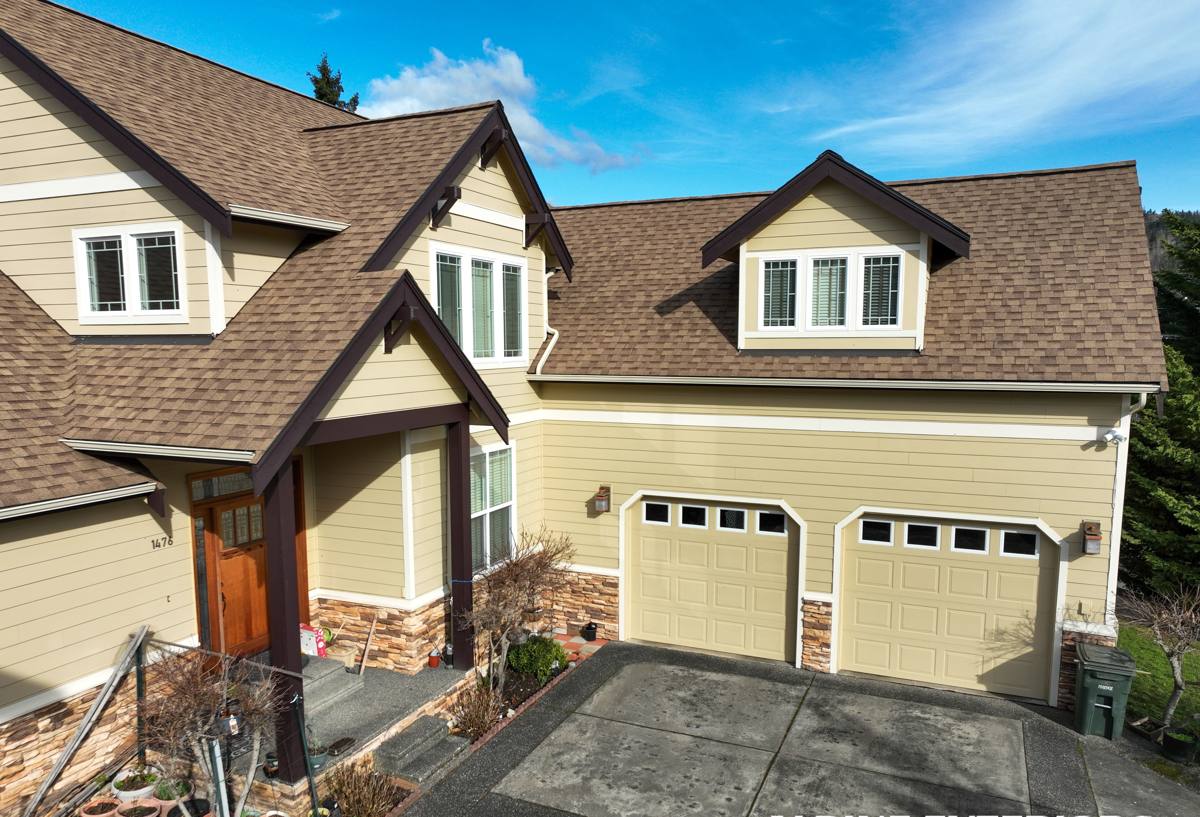
Why Local Climate Matters More Than Most Homeowners Realize
Clearwater and the rest of Pinellas County sit in a climate that's genuinely hard on roofing — harder than most of the country, and harder than many building products were originally designed for. A few things stack up against your roof year-round:
- Hurricane-force wind events that lift shingles, tear flashing loose, and drive rain sideways under roof edges and into fascia.
- Intense, near-constant UV exposure that dries out shingle asphalt and sealant strips faster than in northern climates, making materials brittle years before their rated lifespan.
- Wind-driven rain that finds any gap in flashing, valleys, or nail penetrations — problems that would stay dry and hidden in a calmer climate show up as active leaks here.
- Salt air off the harbor, which accelerates corrosion on exposed metal fasteners, flashing, and vent stacks faster than homes further inland.
None of these factors act alone. A roof with UV-brittled shingles is far more likely to lose material in a wind event. Corroded fasteners loosen faster under repeated storm cycles. That's why a repair that only addresses the visible symptom — a missing shingle, a drip in the ceiling — without accounting for what caused it usually needs to be redone within a season or two.
What a Correct Roof Repair Actually Involves
It Starts With Diagnosis, Not a Patch
The single biggest mistake in roof repair is treating the visible damage as the whole problem. Water travels. A stain on your ceiling in one room can trace back to a flashing gap several feet away, or a valley that's been slowly failing for months. A proper repair starts with tracing the leak to its actual source — not just covering the spot where it showed up indoors.
Matching the Existing Roof System
Repairs on an older Harbor Oaks roof need to work with what's already there — shingle profile, flashing type, underlayment condition — not fight against it. Mismatched materials, incompatible sealants, or a patch that doesn't tie properly into the surrounding roofing can create a new leak point even when the original problem is fixed.
Addressing the Cause, Not Just the Symptom
If wind lifted a section of shingles because the sealant strips had already dried out from years of UV exposure, replacing just those shingles without checking the surrounding field is a short-term fix. We look at the condition of the roof around the damaged area, not just the damaged area itself.
Common Repair Issues We See in This Area
| Issue | Typical Cause | Why It Matters |
|---|---|---|
| Lifted or missing shingles | Wind uplift on aged, UV-brittled sealant strips | Exposes underlayment and decking to direct rain |
| Flashing leaks (chimneys, walls, skylights) | Corroded or improperly sealed flashing, often worsened by salt air | One of the most common sources of hidden interior leaks |
| Valley leaks | Worn valley material or debris buildup from tree canopy | Valleys carry the most water volume on the roof — failures here spread fast |
| Soft or stained decking | Long-term slow leak that went unnoticed | Signals the repair may need to include decking replacement, not just surface work |
| Nail pops and fastener corrosion | Salt air exposure combined with thermal cycling | Creates small entry points for water that worsen with each storm |
| Vent boot and pipe collar cracking | UV degradation of rubber/plastic collars over time | A very common, often overlooked leak source around any roof penetration |
Repair vs. Replacement: How We Help You Decide
Not every damaged roof needs to be replaced, and not every leak can be permanently solved with a patch. The honest answer depends on the roof's overall age and condition, not just the size of the current problem.
| Factor | Favors Repair | Favors Replacement |
|---|---|---|
| Roof age | Roof is under roughly 12–15 years old | Roof is at or past its expected service life |
| Extent of damage | Isolated to one section or component | Multiple areas showing wear or failure at once |
| Decking condition | Solid, no soft spots | Widespread soft or water-stained decking |
| Shingle condition nearby | Surrounding shingles still flexible, sealant intact | Surrounding shingles brittle, granule loss visible |
| Storm history | First significant damage event | Repeated storm damage and repairs over recent years |
We'll always tell you honestly which side of that table your roof falls on. A repair that's likely to fail again within a year isn't a good use of your money, and we'd rather say so up front than sell a patch we don't believe in.
Signs It's Time to Call for a Repair Inspection
- A ceiling stain that appears or grows after heavy rain or wind
- Visible missing, curled, or cracked shingles from the ground
- Granules collecting in gutters or at downspout outlets
- Daylight visible through the attic roof deck
- Soft or spongy spots when walking the roof surface
- Rust streaks or lifted metal around flashing and vent stacks
- Musty odor in the attic, which can indicate trapped moisture
Our Repair Process
1. Inspection and Documentation
We walk the full roof, not just the reported problem area, and check the attic where accessible. If the damage may be storm-related, we photograph and document it in a way that supports an insurance claim if you choose to file one.
2. Honest Diagnosis
We explain what's actually causing the leak or damage, in plain terms, before any work starts. If a repair is the right call, we tell you that. If the roof's overall condition means a repair won't hold, we tell you that too.
3. The Repair Itself
Work is done to match the existing roof system — same or compatible materials, proper flashing technique, and fasteners rated for coastal exposure. We don't cut corners on underlayment or flashing details just because it's a repair rather than a full replacement.
4. Follow-Through
We check our own work after it's done, and we're straightforward about what to watch for going forward, especially heading into storm season.
Materials and Workmanship Standards We Hold Ourselves To
For coastal Pinellas County homes, we favor corrosion-resistant fasteners and flashing over standard-grade materials, even when it costs a little more up front — salt air exposure makes that difference matter within a few years, not decades. We also follow proper flashing technique at every penetration and transition, since flashing failures (not worn-out shingle fields) are behind a large share of the leaks we're called out for. On older homes, we take care to match existing shingle profiles and colors as closely as possible, since a mismatched patch stands out and can affect the home's appearance and resale value.
Why Working With a Crew That Knows Harbor Oaks Matters
A roofer who works this neighborhood regularly already understands the age range of roofs here, the way the harbor's salt air and tree cover affect wear patterns, and how to navigate City of Clearwater permitting for repair work. That familiarity means fewer surprises — we're not learning the neighborhood on your roof. It also means we can usually tell early on whether what you're dealing with is an isolated issue or part of a broader pattern we've seen on similar homes nearby.
Local, licensed roofing work also means proper permitting and inspection where required, which protects you if you ever sell the home or file an insurance claim tied to the repair.
Get a Straight Answer About Your Roof
If you're dealing with a leak, storm damage, or just an aging roof you want checked out before it becomes a bigger problem, we're happy to take a look. We offer free, no-pressure estimates for Harbor Oaks homeowners — you'll get an honest read on what's going on and what it would take to fix it right. Use the form below to request your estimate.