 Clearwater Roofing
 Building a Deck That Can Actually Handle Indian Rocks Beach
Indian Rocks Beach sits right on the Gulf, and that location is exactly why a deck built here needs to be built differently than one going up ten miles inland. Between hurricane-force wind events, sun that beats down nearly year-round, wind-driven rain that finds every gap in flashing and fasteners, and salt air that never really stops working on metal, a deck out here ages faster than most homeowners expect if it wasn't built with those conditions in mind from the start. We're not talking about a different look — a well-built deck can look like any other deck. We're talking about what's holding it together underneath, and whether that structure is going to still be sound in ten years instead of five.
This page covers what a custom deck project actually involves for a home in Indian Rocks Beach: the material and hardware decisions that matter, how we handle framing and permitting, and what our process looks like from first estimate to final walkthrough.
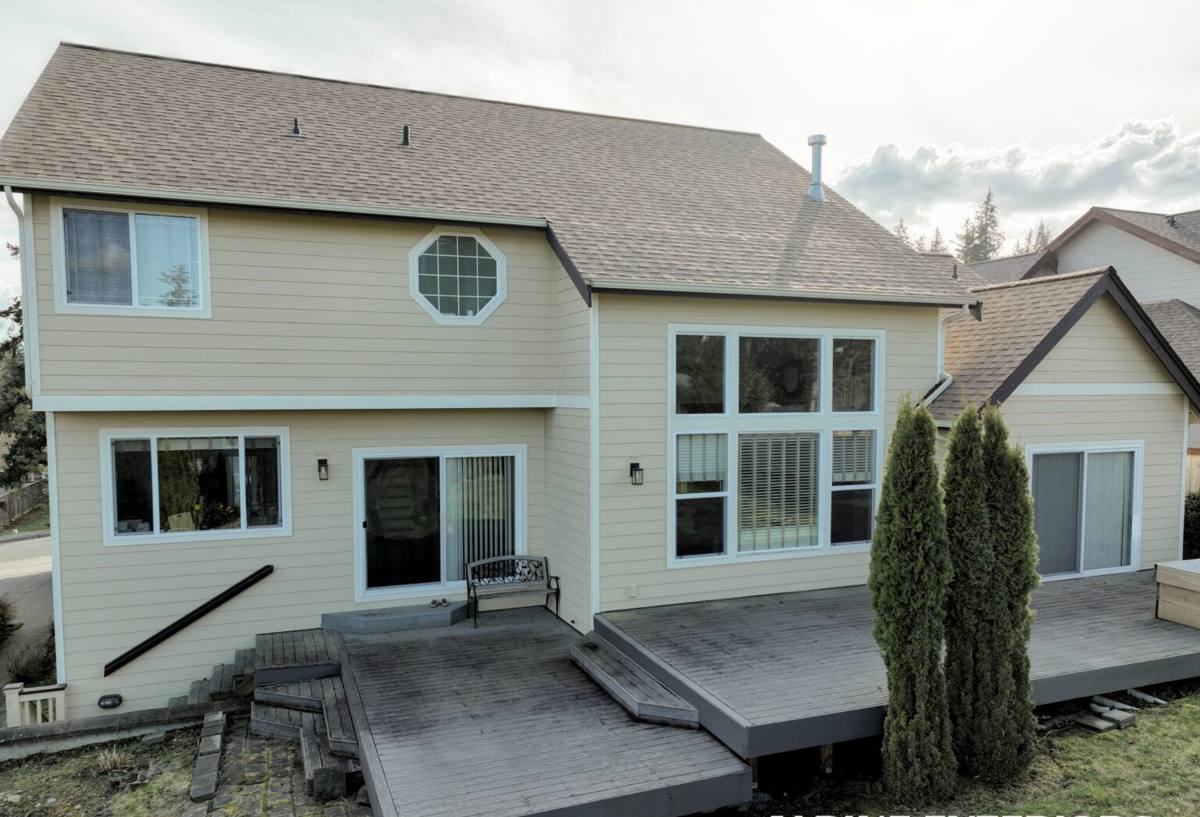
What Coastal Exposure Does to a Deck Over Time
Every material on a deck is being worked on constantly, even when nothing looks wrong. Understanding the failure points helps explain why we build the way we do.
Salt Air and Metal Hardware
Salt-laden air accelerates corrosion on any fastener, bracket, or connector that isn't rated for coastal exposure. Standard galvanized hardware that would be fine in a lot of the country can start showing rust streaks and pitting within a couple of years this close to the Gulf. Once fasteners corrode, they lose holding strength — and on a deck, the fasteners are doing the structural work, not just the visible screws in the decking boards.
UV Exposure
Florida sun is intense and it's on a deck almost every day of the year. UV breaks down the surface fibers of wood decking, fades and chalks lower-grade composite, and dries out finishes and sealants faster than manufacturers' generic warranty language usually accounts for. A deck that isn't finished or maintained with that exposure in mind will look tired well before it's structurally due for replacement.
Wind and Wind-Driven Rain
During tropical storms and hurricanes, decks take direct wind load, and any attached structure — railings, pergolas, stair assemblies — becomes a stress point. Wind-driven rain also gets pushed sideways and upward, meaning water reaches areas a deck built for a drier climate was never designed to shed water away from, including ledger connections against the house and the undersides of framing members.
Decking Material Choices for This Climate
There isn't one "correct" decking material for every home — it depends on budget, maintenance appetite, and how the deck will be used. Here's how the common options actually perform under Gulf coast conditions specifically, not just in general marketing terms.
| Material | Coastal Performance | Maintenance | General Cost Range |
|---|---|---|---|
| Pressure-treated wood | Affordable and strong, but needs consistent sealing to resist moisture cycling and salt exposure | Sealing/staining every 1-2 years | Lowest upfront cost |
| Tropical hardwood (e.g. ipe-type) | Naturally dense and rot-resistant, holds up well to sun and salt with proper fastening | Periodic oiling to maintain color, otherwise low | Mid to upper range |
| Capped composite | Strong UV and moisture resistance when the cap layer is intact; quality varies by product line | Occasional washing, no sealing | Mid to upper range |
| PVC decking | Fully synthetic, handles moisture and salt air without rot risk; can run hotter underfoot in direct sun | Washing only | Highest upfront cost |
We'll walk through these trade-offs honestly during your estimate rather than steering everyone toward the highest-margin product. A lot of it comes down to how much upkeep you actually want to do versus how much you're comfortable spending upfront.
What's Underneath Matters More Than What's On Top
A deck's visible surface gets all the attention, but the framing, footings, and connections underneath determine whether it survives a real storm event. This is where corners get cut on rushed jobs, and it's usually invisible until something fails.
Fasteners and Structural Hardware
We use stainless steel or coated fasteners and connectors rated for coastal and treated-lumber exposure, not the generic hardware that's fine for an inland deck but starts failing within a few years this close to the Gulf. Every joist hanger, post base, and ledger bolt is a point that either holds the deck together in a wind event or doesn't.
Ledger Attachment and Flashing
Where a deck attaches to the house, proper flashing keeps wind-driven rain from working its way behind siding and into the wall structure. This is one of the most common failure points on decks in general — not just here — and it's worth getting right the first time rather than dealing with hidden rot behind a wall years later.
Footings and Elevation
Footing depth and post spacing need to account for the wind loads this area actually sees, and elevation planning should account for drainage and standing water after heavy rain events rather than assuming the ground will always shed water the way it does most of the year.
Permits and Code Requirements
Deck construction in Indian Rocks Beach falls under Florida Building Code requirements as enforced through the local building department, and permitting typically applies to new decks, significant structural rebuilds, and attached structures over a certain size or height. Being on a barrier island in Pinellas County can also mean additional review depending on your property's location and any flood zone considerations tied to it.
We handle the permitting process as part of the job rather than leaving it on the homeowner to sort out — pulling the right permit, building to the inspected standard, and scheduling inspections as required. Skipping permits on deck work is a common shortcut some contractors take to move faster, and it's one that can come back on the homeowner at resale or insurance time, not the contractor who built it.
Our Process, Start to Finish
1. On-Site Estimate
We look at the actual site — house attachment point, grade, sun and wind exposure, existing structure if it's a replacement — and talk through material options and layout before any numbers get finalized.
2. Design and Material Selection
We finalize decking material, railing style, and layout based on your budget and how you'll actually use the space, then confirm structural specs for the framing and footings underneath.
3. Permitting
We submit for the required permit and handle the paperwork with the local building department so the project is inspected and compliant.
4. Demolition (Replacements Only)
For deck replacements, we remove the old structure and check the ledger attachment and any framing behind it for hidden moisture damage before building new.
5. Framing and Structural Work
This is the part that doesn't show in the finished photos but determines how the deck performs in year eight versus year one — footings, posts, joists, ledger, and coastal-rated fasteners throughout.
6. Decking, Railing, and Finish Work
Surface decking, railings, stairs, and any trim go on last, followed by a final walkthrough with you before we call the job done.
Maintenance: What Actually Keeps a Deck Going Out Here
Even a well-built deck needs some attention in this climate. A few minutes a couple of times a year catches small problems before they become expensive ones.
- Rinse salt residue and debris off the surface periodically, especially after storms
- Check fastener heads and railing connections for corrosion or looseness once or twice a year
- Reseal or restain wood decking on the schedule appropriate to that material — don't wait until it looks obviously worn
- Keep gutters and drainage near the deck clear so water isn't pooling against footings or the ledger
- Inspect the ledger attachment area at the house for any signs of staining or soft wood, which can indicate a flashing issue
- Trim back vegetation touching the deck structure to reduce moisture retention against wood or framing
Why It Matters That We Already Work This Area
Building for Indian Rocks Beach isn't the same as building a deck in a subdivision twenty miles from the water. A crew that mostly works inland may default to standard hardware, standard footing depth, and standard assumptions about wind and moisture — because that's what works where they usually build. Out here, those defaults aren't enough, and the difference doesn't show up until a storm season or two down the road.
We're used to accounting for salt exposure, coastal wind loads, and the permitting realities of building this close to the Gulf, because it's the kind of work we do regularly in Pinellas County, not an occasional exception to our normal process.
Get a Straight Answer on Your Project
If you're planning a new deck or need to replace one that's showing its age, we're happy to come take a look and give you a straightforward estimate — no pressure, no inflated scare tactics about your existing structure. Fill out the form below and we'll set up a time to walk the site with you.