 Clearwater Roofing
 Roofing an Island Home Is Not the Same Job as Roofing a Home Inland
Island Estates sits surrounded by water, which means every roof on the island lives with conditions that homes even a few miles inland don't deal with year-round. Salt-laden air moves across these properties constantly, not just during storms. Add in Florida's intense year-round UV exposure, sudden wind-driven downpours, and the higher sustained wind loads that come with open water exposure on multiple sides of a property, and you have a roofing environment that punishes shortcuts faster than almost anywhere else in Clearwater.
That doesn't mean an Island Estates roof needs exotic materials or a different trade altogether. It means the installation details that get skipped on an easier job — fastener choice, underlayment type, flashing at every penetration, proper ventilation — are the difference between a roof that holds up for its full expected life and one that starts showing problems in year five or six.
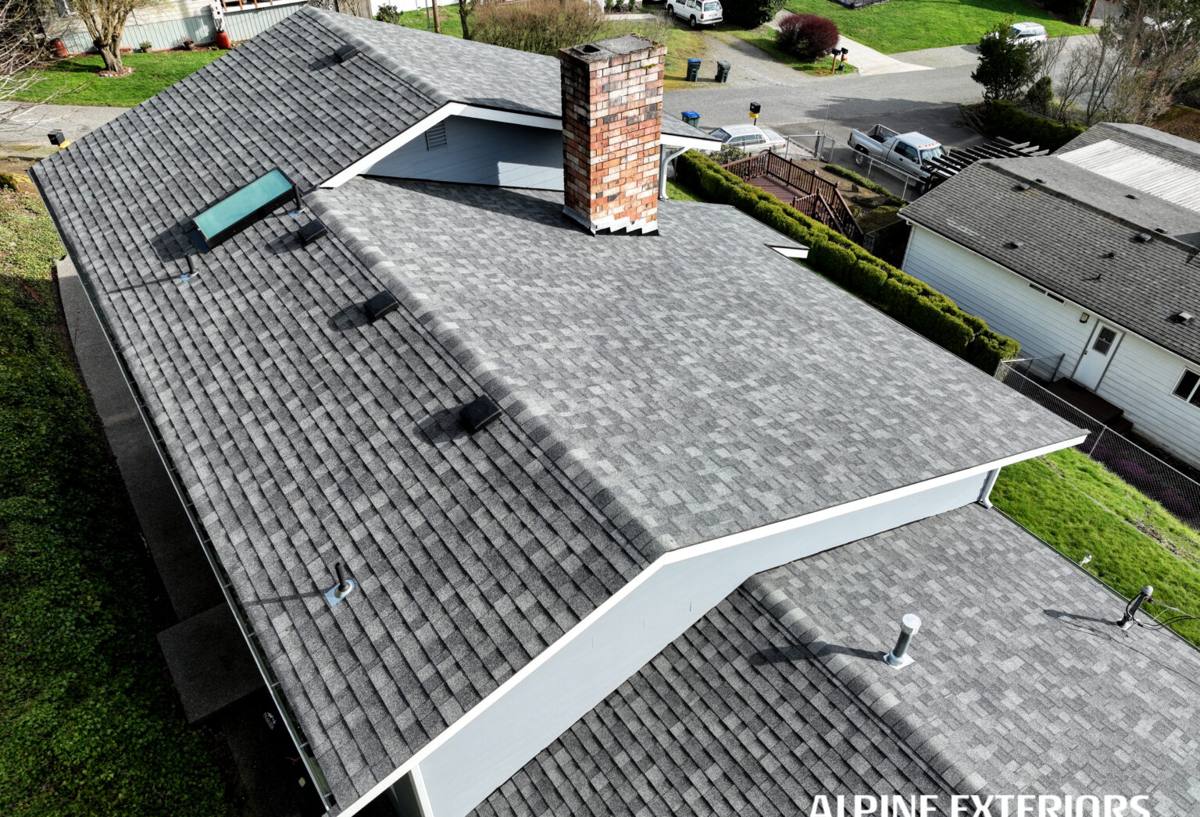
How Salt Air, UV, and Coastal Wind Actually Wear a Roof Down
Salt Air and Corrosion
Airborne salt accelerates corrosion on any exposed metal — nails, flashing, drip edge, vent stacks, and fasteners. On a standard roofing system, corroding fasteners lose holding power over time, which becomes a real problem exactly when you need it most: during high wind. This is why fastener and flashing material choice matters more here than it does on a roof twenty miles inland.
UV Exposure
Central Florida gets some of the most consistent, intense sun exposure in the continental U.S. UV breaks down the oils and resins in asphalt shingles, dries out sealant, and shortens the effective life of lower-grade roofing products. Materials rated for high-UV climates hold their granules and flexibility longer than materials that aren't.
Wind and Wind-Driven Rain
Pinellas County sits in a wind-borne debris region, and waterfront and near-waterfront properties like those on Island Estates experience some of the highest sustained wind exposure in the area during tropical systems. Wind doesn't just test how well shingles or panels are fastened down — it drives rain sideways and upward under edges, which is why proper underlayment, sealed penetrations, and correctly installed drip edge and flashing matter as much as the visible roofing material itself.
Signs an Island Estates Roof Needs Replacement, Not Another Repair
Not every roofing problem calls for a full tear-off. But on coastal properties, small issues tend to compound faster because of the environment. Signs that point toward replacement rather than another patch include:
- Granule loss heavy enough that you can see bare or shiny patches on shingles
- Multiple past repairs concentrated in the same areas (valleys, penetrations, edges)
- Soft or spongy spots in the roof deck when walked, which usually means water has already reached the wood
- Visible rust streaking from fasteners, flashing, or vent stacks
- Curling, cracking, or lifting shingles, especially on south- and west-facing slopes
- Daylight visible through the attic decking, or musty odors and staining in the attic
- A roof approaching or past the manufacturer's expected service life for this climate
If a roof is showing two or more of these at once, patch repairs are usually a short-term delay rather than a real fix. We'll always tell you honestly which category your roof falls into — we don't sell replacements to homes that only need repair, and we don't recommend repair on a roof that's structurally past its useful life.
What a Correct New Roof Installation Actually Involves
A new roof is more than the shingles or panels you see from the street. On Island Estates, we treat every layer of the system as load-bearing for storm performance, not just weather resistance:
Deck Inspection and Repair
Once the old roofing is removed, the deck gets inspected board by board. Any wood that's soft, delaminated, or water-damaged gets replaced before anything new goes down. Installing a new roof over a compromised deck undermines fastener holding power no matter how good the surface material is.
Underlayment
This is the roof's real waterproofing layer, and it's the layer that matters most when wind drives rain under the surface material. We use underlayment systems appropriate for high-wind, high-UV coastal exposure, not the minimum code allows.
Flashing at Every Penetration
Chimneys, vent stacks, skylights, and wall intersections are where the overwhelming majority of leaks start — not the open field of the roof. Each one gets properly formed and sealed flashing, not just caulk over an old piece.
Fastening and Wind Rating
Fastener type, pattern, and spacing are chosen to meet or exceed Florida Building Code wind requirements for this area, not just the manufacturer's minimum installation instructions.
Ventilation
Proper intake and exhaust ventilation keeps attic temperatures and moisture in check, which protects the deck from below and helps the roofing material perform closer to its full rated life in Florida heat.
Choosing a Roofing Material for an Island/Waterfront Property
There's no single "best" roofing material for every home — the right choice depends on your home's structure, your budget, and how much long-term maintenance you want to take on. Here's how the common options compare for a coastal Clearwater property:
| Material | Typical Lifespan Here | Coastal Wind Performance | Maintenance Considerations |
|---|---|---|---|
| Architectural Asphalt Shingle | 15–25 years | Good, with high-wind rated products and proper fastening | Periodic inspection; sealant and flashing checks after major storms |
| Metal (Standing Seam) | 30–50 years | Excellent when properly fastened and detailed | Low; watch fastener/sealant points at penetrations over time |
| Tile (Concrete or Clay) | 30–50 years | Very good, but performance depends heavily on the underlayment beneath it | Underlayment typically needs replacement well before the tile itself does |
| Flat/Low-Slope Membrane | 15–20 years | Depends on system and seam quality | Regular inspection of seams and drains, common on additions and porches |
Whatever material fits your home and budget, we'll walk you through the honest trade-offs — including why we install some systems the way we do and skip shortcuts that look fine on day one but create maintenance headaches or moisture problems by year three or four in a salt-air environment.
Our New Roof Installation Process
- On-site inspection and assessment — we evaluate the existing roof, deck condition, ventilation, and any problem areas specific to your home's exposure.
- Written estimate — a clear scope of work and material options, with pricing explained in plain terms, not a vague allowance.
- Permitting — pulled through the appropriate local jurisdiction before any work begins, per Florida Building Code requirements.
- Tear-off and deck inspection — old roofing removed, deck checked and repaired as needed.
- Installation — underlayment, flashing, ventilation, and roofing material installed to code and manufacturer specifications for high-wind coastal exposure.
- Cleanup — magnetic sweep for debris and nails, full site cleanup.
- Final inspection — local building department sign-off, plus our own walkthrough with you.
Permits, Wind Mitigation, and Insurance in Pinellas County
A new roof in Clearwater requires a permit, and the work has to meet current Florida Building Code wind-load requirements — this isn't optional paperwork, it's what makes the roof legally sellable and insurable later. For a coastal property like an Island Estates home, it's also worth planning for a wind mitigation inspection after the new roof is complete. That inspection documents features like roof shape, deck attachment, and roof-to-wall connections, and it's frequently what determines whether your homeowner's insurance premium reflects the real, improved risk profile of a newly installed roof. We can point you toward what documentation you'll want for that inspection, since it's separate from the roofing work itself.
What to Confirm Before You Sign With Any Roofing Contractor
Because a new roof is a major investment and a safety system for your home, it's worth being deliberate about who you hire — especially on an island property where access, staging, and drainage often work differently than on a typical inland lot. Before signing anything, confirm:
- Florida roofing license and current liability and workers' compensation insurance
- A permit will be pulled in the property's name/address before work starts
- The written estimate specifies underlayment type, fastening method, and flashing details — not just "new roof, materials included"
- A clear plan for deck repair pricing if damaged wood is found once tear-off begins
- Manufacturer certification if you're pursuing an extended or transferable warranty
- A specific plan for site access and material staging that works with your lot and any waterfront setback or dock considerations
- A cleanup and nail/debris sweep included in the scope, not billed as an add-on
Why Local Experience on Island Estates Specifically Matters
A crew that regularly works Island Estates already understands the practical realities of the neighborhood — limited staging space on many lots, water and canal proximity that affects dumpster and material placement, and the reality that these homes take more direct wind and salt exposure than a comparable house set back from the water. That experience shows up in small decisions during the job: how flashing is detailed at penetrations, which fastener and underlayment specs actually hold up here versus what's just code minimum, and how the crew plans logistics around a waterfront lot without creating a mess for you or your neighbors. It also means we're not learning Pinellas County's permitting process or wind code requirements on your project — we already know them.
Protecting Your Investment After Installation
A correctly installed new roof is largely low-maintenance, but a couple of habits extend its life meaningfully in this climate: have it visually inspected after any named storm that brings sustained high winds, keep gutters and valleys clear of debris so water isn't sitting against roofing material, and address any small leak or lifted shingle promptly rather than waiting — on a salt-air island property, small issues left alone tend to accelerate rather than stay small.
If your roof is showing its age or you just want an honest, no-pressure opinion on whether repair or full replacement makes sense for your Island Estates home, we're glad to take a look. Use the form below to request a free estimate, and we'll walk the roof with you and explain exactly what we find.