 Clearwater Roofing
 Why Harbor Oaks Homes Need a Roof Built for This Climate
Harbor Oaks sits close to the water in Clearwater, in the part of Pinellas County that takes the full brunt of whatever the Gulf sends our way. That proximity is part of what makes the neighborhood desirable — mature tree canopy, an established feel, easy access to downtown and the harbor — but it also means roofs here work harder than roofs ten or twenty miles inland. Salt-laden air moves through the neighborhood constantly, UV exposure runs close to year-round, and when a tropical system tracks through the county, wind-driven rain finds every weak seam and fastener a roof has.
Metal roofing has become one of the most requested upgrades in this part of Clearwater precisely because it's built to handle that combination of stresses better than most alternatives. But "metal roofing" isn't one product — the right system, the right coatings, and the right installation details matter as much as the material itself. This page walks through what we actually look at when we're putting a metal roof on a Harbor Oaks home.
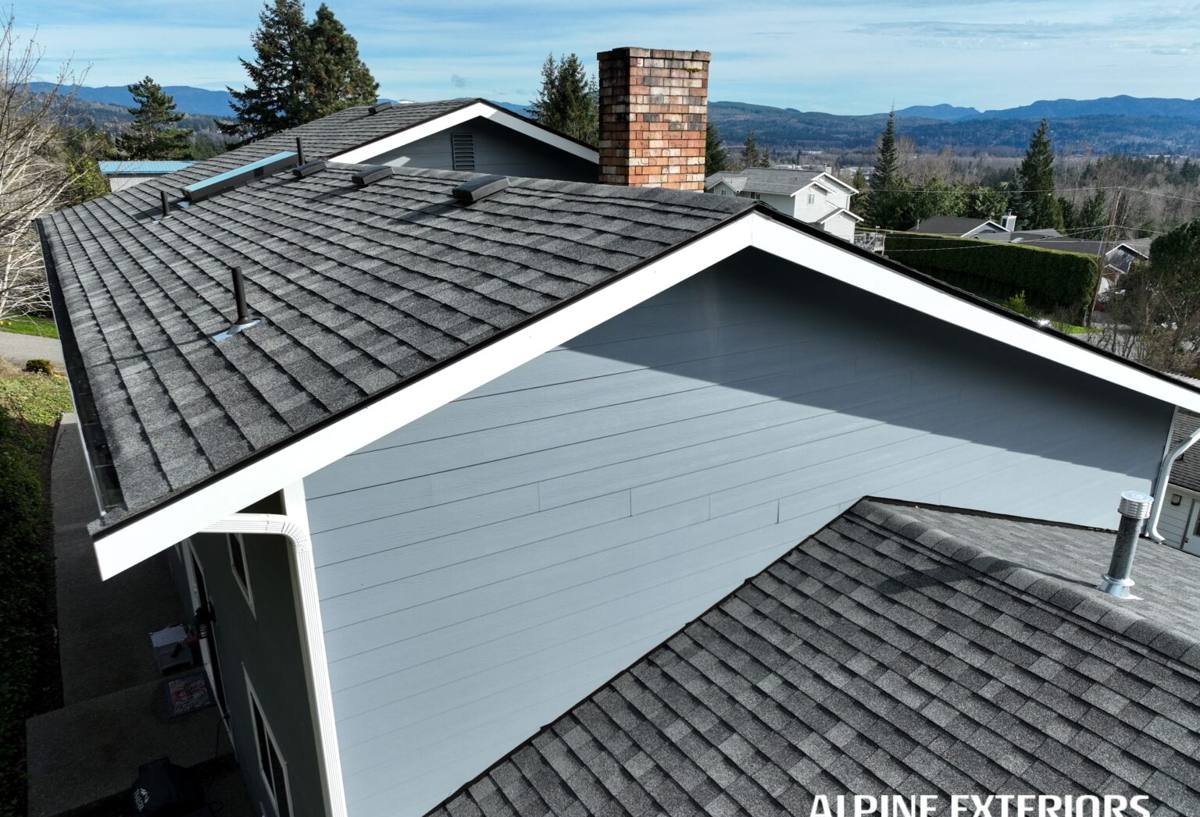
What Harbor Oaks' Older Homes and Tree Canopy Mean for a Metal Roof
A lot of the homes in and around Harbor Oaks are older, established properties with mature landscaping — big oaks, dense shade, and roof structures that have often been re-covered more than once over the decades. That combination changes how we approach a metal roof install in a few specific ways:
- Deck condition varies more. Older homes are more likely to have plank decking, multiple layers of old roofing material, or areas of soft or delaminated sheathing that need to be addressed before a new metal system goes down.
- Tree canopy means debris and moisture cycling. Leaf litter, pollen, and acorns collect in valleys and against fascia. A roof under heavy shade also dries out slower after rain, so drainage detailing and gutter tie-ins matter more than they would on an open lot.
- Aesthetic fit matters. Homes in established, character-driven neighborhoods often look better — and hold value better — with a metal profile and color that complements the architecture rather than fighting it. We'll talk through panel style and finish with that in mind, not just performance.
- Structural loading should be checked, not assumed. Some metal systems weigh less than the tile or multi-layer shingle roofs they replace, which can be a real benefit on an older structure — but that only holds true if it's verified, not guessed at.
Choosing the Right Metal Roofing System
"Metal roof" covers a range of products, and the right choice depends on the home's roof pitch, architectural style, and budget. We install and recommend based on fit, not on pushing one product for every job.
| System Type | Best Fit For | Key Trade-Off |
|---|---|---|
| Standing seam (concealed fastener) | Most home styles; strongest wind and water performance | Higher upfront cost; requires skilled installation |
| Exposed-fastener panel | Utility structures, secondary roofs, budget-conscious projects | Fasteners need periodic inspection and re-torquing over time |
| Stone-coated steel | Homes wanting a tile or shake look with metal's durability | More seams and fasteners than standing seam; installation detail is critical |
| Metal shingle/shake panels | Historic or traditional-style homes where a metal look would feel out of place | More labor-intensive installation than large-format panels |
For most Harbor Oaks homes, we lean toward standing seam because of how well it performs against wind uplift and wind-driven rain — the two things this neighborhood deals with most. But a home with a more traditional architectural profile may look and perform better with a stone-coated or shingle-style metal product, and we'll say so honestly rather than defaulting to one system.
Coastal-Grade Materials: Coatings, Fasteners, and Corrosion Resistance
This is the part that gets overlooked most often, and it's the part that determines whether a metal roof still looks good in fifteen years or starts showing chalking, streaking, and fastener corrosion within five. Salt air near Clearwater Harbor and the Gulf accelerates corrosion on any metal that isn't properly specified for coastal exposure.
- Substrate: We use aluminum or coated steel rated for coastal/marine environments — not a generic panel meant for inland use.
- Finish: A high-performance PVDF (Kynar-type) finish resists UV fading and chalking far better than lower-grade paint systems, which matters given how much direct sun this roof will see across a Florida summer.
- Fasteners: Stainless or coated fasteners matched to the panel metal — mixing incompatible metals causes galvanic corrosion, which shows up as rust streaks and eventually fastener failure.
- Sealants: Marine-grade sealants at penetrations and terminations, since standard sealants degrade faster under constant UV and salt exposure.
None of this is optional in a neighborhood this close to the water. It's the difference between a roof that ages gracefully and one that needs remedial work within a few years.
Wind Performance and Florida Building Code
Pinellas County sits in one of the higher wind-load zones in the Florida Building Code, and homes near the harbor and open water generally fall under stricter design pressure requirements than inland properties. A correctly installed metal roof is rated and tested for wind uplift resistance, but that rating only means something if the installation matches the tested assembly — the right fastener pattern, the right clip spacing, the right underlayment.
We pull permits and install to current Pinellas County wind-load requirements for every metal roof we do, and we can walk you through the wind mitigation benefits — which can also affect your homeowners insurance premium — as part of the estimate.
What a Correct Metal Roof Installation Actually Involves
A metal roof is only as good as what's underneath it. Here's what we consider non-negotiable on every project:
- Full tear-off and deck inspection — no covering over rot, soft spots, or failed decking
- Repair or replacement of any compromised sheathing before underlayment goes down
- Self-adhered, high-temperature underlayment suited for Florida heat and UV exposure
- Proper flashing at every penetration, valley, wall tie-in, and roof-to-wall transition
- Manufacturer-specified fastener spacing and clip layout — not a shortcut pattern
- Balanced attic ventilation so heat and moisture don't build up under the new roof
- Final inspection against both manufacturer requirements and local code before we call the job done
Cost Factors Homeowners Should Understand
| Factor | Why It Affects Price |
|---|---|
| Panel system chosen | Standing seam costs more upfront than exposed-fastener or stone-coated systems |
| Roof complexity | Valleys, dormers, and multiple pitches require more flashing and labor |
| Deck condition | Older homes may need sheathing repair or replacement before install |
| Tear-off scope | Number of existing roofing layers to remove affects labor and disposal cost |
| Coating/finish grade | Higher-grade coastal finishes cost more but last significantly longer near the water |
We give a written, itemized estimate so you can see exactly where the cost is coming from, not just a single number.
Our Process for Harbor Oaks Metal Roofing Projects
We walk every project the same way, whether it's a full re-roof or a repair scoped to become a full replacement:
- On-site inspection: We assess the existing roof, deck condition, ventilation, and any tree-canopy or drainage issues specific to the property.
- Honest system recommendation: We recommend a panel type and finish based on the home's architecture, budget, and exposure — not a one-size-fits-all pitch.
- Written estimate: Line-item pricing so you understand the scope before committing to anything.
- Permitting: We handle Pinellas County/City of Clearwater permitting and inspections as part of the job.
- Installation: Full tear-off, deck repair as needed, correct underlayment and flashing, and installation to manufacturer and code specifications.
- Final walk-through: We review the finished roof with you before we consider the job complete.
Why Hiring a Crew That Already Works in Harbor Oaks Matters
Roofing crews who work this specific area regularly already know the practical realities: which older homes tend to have deck issues under the surface, how tree canopy and drainage interact on shaded lots, what Pinellas County inspectors want to see, and how to install a metal roof that will actually hold up to the salt air rolling in off the harbor. That local familiarity shows up in fewer surprises during the job and a roof that's specified correctly the first time — not one that needs corrective work in a few years because it was built to a generic spec instead of a coastal one.
If you're weighing a metal roof for a home in Harbor Oaks, we're happy to walk the roof with you, answer questions honestly, and put together a written estimate with no pressure attached. Reach out using the form below to get started.